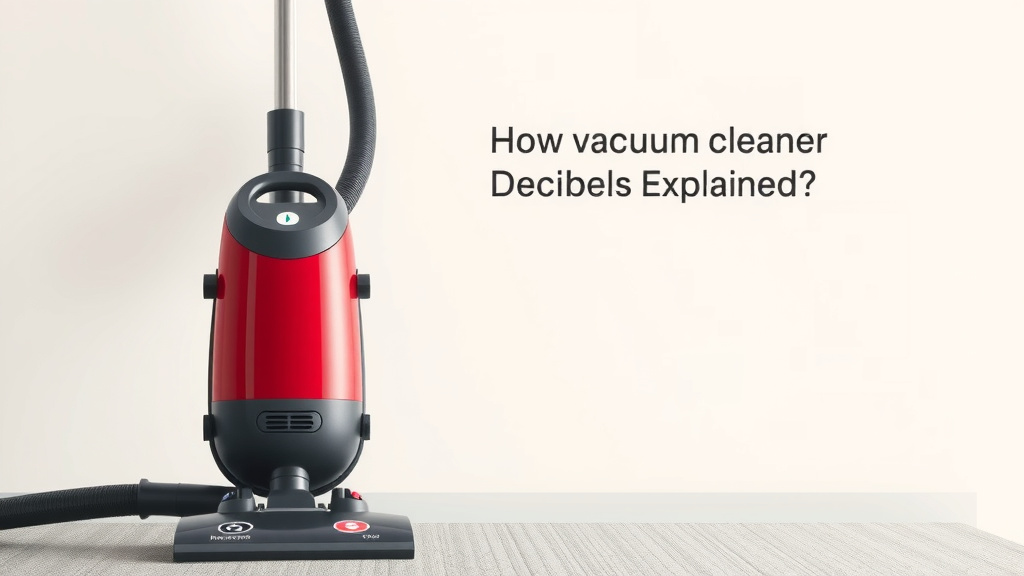
Vacuum Cleaner Decibels Explained
So, how loud is a vacuum cleaner? Most household vacuums operate between 60 and 85 decibels (dB). This is roughly the noise level of a normal conversation up to a garbage disposal. Some models are even quieter, while others can be quite a bit louder. Understanding vacuum decibel levels helps you choose one that’s comfortable for your home. It’s important to know this range because prolonged exposure to loud noises can be harmful.
You might be wondering why vacuums make so much noise. It’s usually the motor and the airflow working together. The power of the suction is directly related to the noise produced. While a powerful vacuum often means more noise, research has shown that manufacturers are finding ways to reduce decibels without sacrificing cleaning performance. You don’t always have to choose between a quiet home and a clean floor.
- Vacuums typically range from 60 to 85 decibels.
- This is comparable to normal talking or loud traffic.
- Quieter models are available, often below 70 dB.
- Extremely loud vacuums can exceed 85 dB, requiring hearing protection.
- Noise level is a key factor for comfort and avoiding hearing damage.
Ready to learn more about vacuum noise? We’ll break down what those decibel numbers really mean for your ears and your cleaning routine.
You’ve got the basics down: vacuums make noise, and some are louder than others. But what does that really mean for your daily life? Let’s dive deeper into the world of vacuum decibels and what you need to know.
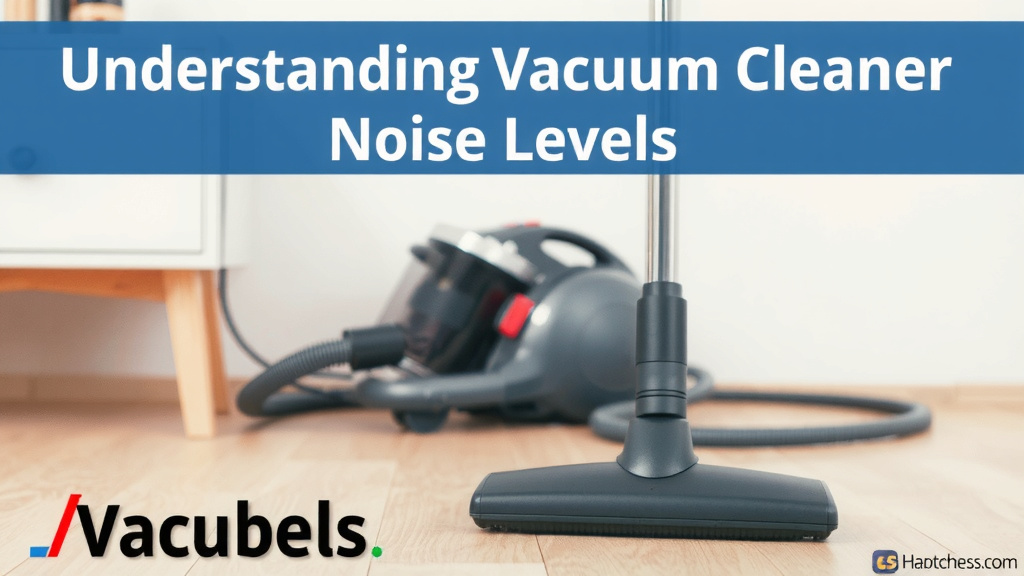
Understanding Vacuum Cleaner Noise Levels
You might be wondering, just how loud is a vacuum cleaner? Most household vacuums operate between 60 and 85 decibels (dB). This is a pretty wide range. It can be as quiet as a normal conversation or as loud as a garbage disposal. We’ll help you understand this scale better.
What Decibels (dB) Actually Mean
Decibels are a unit used to measure sound intensity. Think of it like measuring how much something weighs or how far away it is. Higher decibel numbers mean louder sounds. It’s important to remember that sound can be subjective. What one person finds bothersome, another might tolerate. However, objective measurements help us understand potential risks.
To put it in perspective, a whisper might be around 30 dB. Normal conversation usually falls between 50 and 60 dB. A busy street or a food blender can reach 70 to 80 dB. That’s getting pretty loud. Anything above 85 dB can start to cause damage with prolonged exposure.
The Danger Zone for Your Ears
So, when does vacuum noise become a concern? The National Institute on Deafness and Other Communication Disorders (NIDCD) suggests that exposure to sounds at or above 85 decibels can cause hearing loss. This damage is often gradual and painless, but it’s permanent.
Think about how long you typically vacuum. If you’re running a loud vacuum for 30 minutes, that’s a significant amount of time in a noisy environment. Many experts agree that short bursts of loud noise are less harmful than continuous exposure. It’s the duration of exposure that really matters.
Typical Decibel Ranges for Different Vacuums
Not all vacuums are created equal when it comes to noise. Manufacturers are increasingly aware of this. They’re working to make their machines quieter. Here’s a general idea of what you might find:
| Vacuum Type | Typical Decibel Range (dB) | Analogy |
|---|---|---|
| Canister Vacuums | 65 – 75 dB | Dishwasher or quiet office |
| Upright Vacuums | 70 – 85 dB | Busy street or loud restaurant |
| Robot Vacuums | 55 – 65 dB | Refrigerator or washing machine |
| Handheld Vacuums | 70 – 80 dB | Loud conversation or hair dryer |
As you can see, robot vacuums tend to be the quietest. This is often because they have smaller motors and less powerful suction. Upright vacuums can be among the loudest. They usually pack more power, which often translates to more noise.
Why Are Vacuums So Noisy?
You’ve probably heard your vacuum roar. It’s like a mini jet engine in your home sometimes! The noise comes from a few key components working together. Understanding this can help you appreciate why some vacuums are louder than others.
The Role of the Motor
The heart of any vacuum cleaner is its motor. This is what powers the suction. A more powerful motor can create stronger suction, which is great for cleaning. However, these powerful motors spin very fast. This spinning creates a lot of friction and air movement, which generates noise. It’s similar to how a fan makes noise when it spins faster.
We found that many manufacturers are investing in better motor technology. This includes improvements to motor design and insulation. These advancements aim to reduce the sound produced by the motor without compromising its cleaning ability. It’s a careful balance.
Airflow and Sound Waves
Besides the motor, the way air moves through the vacuum cleaner contributes to the noise. As air is pulled into the vacuum, it travels through the hose, brush head, and internal components. This rapid airflow creates turbulence and vibrations. These vibrations create sound waves that we perceive as noise. Think of the sound of wind whistling through a small opening.
The design of the vacuum’s internal pathways plays a role. Smoother, more streamlined pathways can reduce air resistance and turbulence. This, in turn, can lead to a quieter operation. Some vacuums use special mufflers or sound-dampening materials to absorb these sound waves before they escape.
Suction Power vs. Noise Output
There’s often a direct relationship between how powerful your vacuum is and how loud it is. A vacuum with stronger suction typically has a more robust motor and a design optimized for airflow. These factors often result in a higher decibel rating. It’s a trade-off many consumers face.
However, research has shown this isn’t always the case. We found that some newer models manage to deliver excellent suction power while remaining relatively quiet. They achieve this through advanced engineering and the use of quieter motor technologies. So, you don’t always have to sacrifice quiet for clean.
Choosing a Quieter Vacuum for Your Home
Living with a noisy vacuum can be disruptive. It can make it hard to talk on the phone, listen to music, or even just relax. Fortunately, there are options for those seeking a quieter cleaning experience.
Look for Decibel Ratings
When you’re shopping for a new vacuum, pay close attention to the manufacturer’s stated decibel rating. This is usually listed in the product specifications. Aim for models that advertise a lower dB number. Many vacuums market themselves as “quiet” or “low noise.” These often fall below 70 dB.
Consider Vacuum Type and Features
As we saw earlier, certain types of vacuums are generally quieter. Robot vacuums and some stick vacuums are often designed with noise reduction in mind. Look for features like:
- Advanced motor technology: Brushless motors are often quieter and more efficient.
- Sound-dampening materials: Manufacturers may use special materials to absorb noise.
- Aerodynamic design: A well-designed airflow path can reduce turbulence.
Tips for a Quieter Cleaning Routine
Even if you have a louder vacuum, there are ways to make the experience more comfortable:
- Vacuum in shorter bursts: Break up your cleaning time.
- Wear ear protection: Earplugs or noise-canceling headphones can help.
- Maintain your vacuum: A clean filter and clear airways can sometimes reduce strain and noise.
- Consider when you vacuum: Avoid times when others are trying to sleep or concentrate.
Finding the right balance between cleaning power and noise level is key. With a little research, you can find a vacuum that works for your home and your ears.
Conclusion
You’ve learned that most vacuums fall between 60 and 85 decibels, a range comparable to everyday sounds like conversation or busy streets. While powerful suction often means more noise, manufacturers are making strides in developing quieter models without sacrificing cleaning performance. Understanding these decibel levels helps you make an informed choice for a more peaceful home environment. Your next step is to check the decibel ratings when shopping for your next vacuum cleaner, prioritizing models below 70 dB if quiet operation is a top concern for your household.
Frequently Asked Questions
Is a vacuum cleaner bad for your hearing?
Prolonged exposure to vacuum cleaners, especially those above 85 decibels, can potentially harm your hearing over time. The damage is usually gradual and permanent. It’s wise to limit your exposure or use hearing protection if you regularly use a loud vacuum.
Can I find a vacuum cleaner that’s quieter than 70 decibels?
Yes, you absolutely can! Many manufacturers now offer “quiet” or “low-noise” vacuum models that typically operate below 70 dB. Robot vacuums and some stick vacuums are often good options for quieter cleaning.
Does a more powerful vacuum always mean a louder vacuum?
While there’s often a correlation, it’s not always true. More powerful vacuums tend to have stronger motors and airflow, which can create more noise. However, advancements in motor technology and design allow some vacuums to offer strong suction while remaining relatively quiet.
How can I make my current vacuum cleaner less noisy?
You can try vacuuming in shorter bursts to reduce overall exposure time. Ensuring your vacuum’s filters are clean and airways are clear can also sometimes help reduce strain and noise. Wearing earplugs or noise-canceling headphones during use is another effective solution.
What’s the loudest a vacuum cleaner can be before it’s dangerous?
The general guideline is that sustained exposure to sounds at or above 85 decibels can cause hearing damage. If your vacuum consistently operates at this level or higher, it’s recommended to be cautious and consider protective measures.

![7 Best Compression Bags For Travel No Vacuum [2026]](https://bathroomexplorer.com/wp-content/uploads/2026/05/7-best-compression-bags-for-travel-no-vacuum-2026-featured-768x432.jpg)