How Many Plants Are Needed to Purify Air? A Complete Guide to Indoor Air Quality
Have you ever walked into a room vibrant with lush greenery and felt an immediate sense of ease, a lightness in your breath? That feeling might not be purely psychological. The concept of plants purifying air has become incredibly popular, and it’s certainly a subject worth a deep dive. But here’s the catch—figuring out the precise number of plants you actually need for effective air purification isn’t as simple as it seems.
In this comprehensive guide, I’m going to walk you through everything you need to know about plants as natural air purifiers, the science behind them, and most importantly, exactly how many you’ll need to make a real difference in your home or office.
Understanding the Outline of Our Discussion
Before we dive deeper, let me give you a roadmap of what we’re covering:
- The science of how plants purify air
- Popular myths versus facts about plant purification
- Calculating how many plants you actually need
- The best air-purifying plants and their effectiveness
- Factors that influence plant air purification
- Practical tips for maximizing plant purification
- Combining plants with other air purification methods
- Real-world scenarios and room-by-room recommendations
How Do Plants Actually Purify Air?
Let’s start with the basics. Plants don’t purify air the way an air purifier does. They don’t have filters or motors. Instead, they work through a process called photosynthesis combined with what scientists call the phytoremediation effect.
The Photosynthesis Process
During photosynthesis, plants absorb carbon dioxide from the air and release oxygen. This is beneficial, sure, but it’s not the primary mechanism that removes harmful pollutants. Think of it as a bonus feature rather than the main event. The real magic happens through their ability to absorb volatile organic compounds, or VOCs, through their leaves and soil microorganisms.
Phytoremediation: The Real Air Purification
When you have formaldehyde, benzene, or xylene floating around in your home—substances found in paints, cleaning products, and synthetic materials—certain plants can actually absorb these through their leaves and roots. The microorganisms in the soil then break down these harmful compounds, essentially neutralizing them.
However, and this is crucial, this process works slowly and requires the plant to be actively growing and healthy. A struggling plant in the corner isn’t going to do much for your air quality.
The NASA Study: What You Need to Know
You’ve probably heard about the famous NASA study from the 1980s that suggested certain plants could remove air pollutants. This study became the foundation for most claims about plant air purification. While the study was legitimate and showed that plants can absorb certain pollutants in laboratory conditions, it’s important to understand its limitations.
What the Study Actually Found
NASA tested plants in sealed chambers to see how effectively they could remove pollutants. The results were promising in controlled environments. However, real homes aren’t sealed chambers. We have air circulation, temperature changes, and variable humidity levels. The conditions that made the NASA study successful don’t typically exist in our living spaces.
Why Context Matters
The study used small sealed rooms with high concentrations of pollutants and plants positioned throughout. This is very different from having a couple of potted plants scattered around your bedroom. The surface area of plant leaves, the air circulation patterns in your home, and the actual concentration of pollutants all play significant roles in determining effectiveness.
How Many Plants Do You Really Need?
Now we get to the question you’ve been waiting for. The honest answer? It depends on several factors, but let me give you some concrete guidance.
The General Rule of Thumb
According to various environmental studies, you’d need approximately one plant per 100 square feet of space to potentially notice any meaningful impact on air quality. However, and this is a significant however, this assumes you’re dealing with the types of plants proven to remove specific pollutants, and that the plants are healthy and well-maintained.
For a typical bedroom of 150-200 square feet, you’d want at least two to three robust plants. For a living room that’s 300-400 square feet, you’re looking at three to four plants minimum. And for your entire home? Well, that could mean having 8-10 quality plants spread throughout.
Room-by-Room Recommendations
Let me break this down by common spaces in your home:
- Bedroom (100-150 sq ft): 1-2 plants
- Small Office (120-180 sq ft): 1-2 plants
- Living Room (300-400 sq ft): 3-4 plants
- Kitchen (200-250 sq ft): 2-3 plants
- Bathroom (50-80 sq ft): 1 plant
These numbers assume you’re using air-purifying plant varieties and that they’re positioned where they can interact with the air circulation in your space.
The Best Plants for Air Purification
Spider Plants: The Beginner’s Choice
Spider plants are resilient, attractive, and yes, they do help remove formaldehyde and xylene from the air. They’re also incredibly forgiving if you forget to water them occasionally. One spider plant can handle a small to medium-sized room effectively.
Snake Plants: Low Maintenance Warriors
Also known as Sansevieria, snake plants work at removing benzene, formaldehyde, trichloroethylene, and xylene. They’re excellent in bedrooms because they release oxygen at night, which is a bonus. You’d want one or two snake plants in a bedroom.
Pothos: The Climbing Purifier
Pothos plants are excellent at removing formaldehyde and are incredibly easy to grow. They can be trained to climb up walls or hang from ceilings, making them space-efficient. One large pothos plant can effectively cover a small to medium room.
Peace Lilies: Elegant and Effective
Peace lilies remove ammonia, benzene, and formaldehyde. They also have the added benefit of wilting dramatically when they need water, which is helpful for forgetful plant parents. You’d want one peace lily per 100-150 square feet.
Boston Ferns: The Humidifiers
These plants not only remove formaldehyde but also add moisture to the air. They prefer humid environments and indirect light. One Boston fern can cover a small room effectively.
Rubber Plants: The Heavy Hitters
Rubber plants are larger and more visually impactful. They’re excellent at removing formaldehyde and can serve as statement pieces in your decor. One rubber plant can handle a medium-sized room on its own.
Factors That Influence Plant Purification Effectiveness
Plant Health and Maturity
A small, newly potted plant isn’t going to have the same purification capacity as a mature, thriving plant. You need to factor in growing time. The larger and healthier your plant, the more effective it will be at removing pollutants. It’s like expecting the same output from a junior employee as you would from an experienced veteran—it just doesn’t work that way.
Air Circulation in Your Home
If your home has poor air circulation, with stagnant pockets of air, plants won’t be as effective. They need air flowing past their leaves to do their job. Opening windows regularly or using fans can significantly enhance the effectiveness of your plants.
Light Conditions
Plants need adequate light to photosynthesize and grow. A plant struggling in a dark corner will have minimal purification capacity. Make sure your plants are receiving appropriate light levels for their species.
Soil Quality and Microorganisms
Remember, a significant portion of air purification happens in the soil through microorganisms. Using high-quality potting soil with active microbes is important. Healthy soil means more effective purification.
Pollutant Type and Concentration
Different plants remove different pollutants. If your home has high formaldehyde from new furniture, you’ll want specific plants like spider plants or pothos. The concentration of pollutants also matters—heavy pollution requires more plants or larger plants.
Practical Tips for Maximizing Plant Purification
Choose the Right Species
Don’t just buy pretty plants. Select species that are proven to remove the specific pollutants present in your home. If you have new carpet or furniture, focus on plants that remove formaldehyde.
Position Plants Strategically
Place plants in locations where air naturally circulates. Near vents, by windows, and in central living areas are ideal. Avoid putting all your plants in corners or out-of-the-way spots.
Maintain Your Plants Diligently
Healthy plants purify air better. Ensure proper watering, appropriate light, and occasional fertilizing. Wipe plant leaves occasionally to remove dust, which can block their ability to absorb pollutants.
Create a Diverse Plant Collection
Different plants remove different pollutants. Having variety means you’re covering more ground against different types of indoor air pollution. It’s not about having twenty of one type; it’s about strategic diversity.
Use Larger Plants When Possible
A larger mature plant is more effective than three small plants in some cases. If space allows, invest in larger specimens rather than spreading multiple small ones around.
Combining Plants with Other Air Purification Methods
Here’s the reality check: plants alone probably won’t eliminate all air quality issues in your home, especially if you have serious pollution concerns. But they work wonderfully in combination with other methods.
HEPA Filters and Air Purifiers
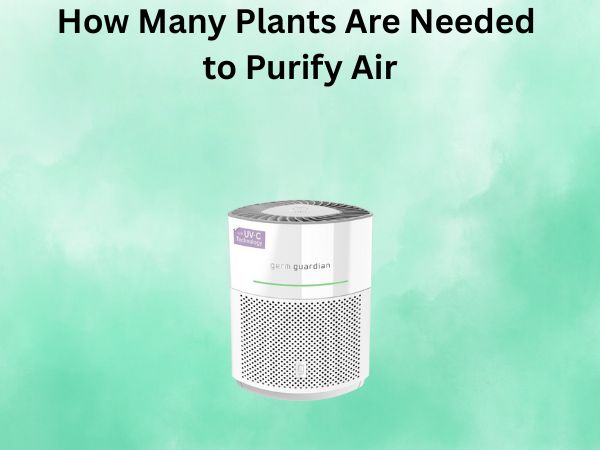
A quality HEPA filter air purifier can handle particulate matter and some gaseous pollutants. Combined with plants, you’re creating a comprehensive air purification system. Think of plants as your slow-acting, continuous purifier, and mechanical filters as your heavy-duty cleanup crew.
Ventilation and Fresh Air
Opening windows regularly is still one of the best ways to improve air quality. Plants work best when there’s some air movement. A combination of good ventilation, plants, and possibly an air purifier creates optimal conditions.
Humidity Control
Some plants add moisture to the air, which can help remove certain types of pollutants. If your home is very dry, adding plants like Boston ferns can help improve both humidity and air quality.
Real-World Scenarios: How Many Plants Do You Need?
Scenario One: New Home Setup
You’ve just bought a new home with new furniture, paint, and carpet. These release formaldehyde and other VOCs. You’d want to prioritize plants like spider plants, pothos, and peace lilies. For a typical three-bedroom home of around 1500-2000 square feet, I’d recommend 12-15 plants distributed throughout the home. This isn’t excessive; it’s actually strategic coverage.
Scenario Two: Apartment Living
In a smaller apartment of 700-800 square feet, you can get away with 5-8 quality plants. Focus on low-maintenance varieties like snake plants and pothos that work well in varied lighting conditions typical of apartment living.
Scenario Three: Home Office
If you spend 8 hours a day in your home office, you want that space optimized. For a typical office of 150-200 square feet, I’d suggest 2-3 plants. One on your desk or nearby, one on a shelf, and perhaps one in a corner. This creates a genuinely purified microenvironment for your workspace.
Scenario Four: Minimal Commitment
If you don’t want many plants, focus on a few high-impact species. One large rubber plant, two pothos plants, and two snake plants in strategic locations can handle a small to medium home reasonably well. It’s not perfect, but it’s better than nothing.
Common Misconceptions About Plant Air Purification
Myth: Any Plant Works
Not all plants are equal air purifiers. Ornamental plants that look nice don’t necessarily remove pollutants. Stick with proven species like those we discussed.
Myth: More Plants Always Means Better Air
While more plants can help, unhealthy, poorly maintained plants actually become burdens. Quality trumps quantity every time.
Myth: Plants Work Overnight
Air purification through plants is a gradual process. It takes time for plants to build up effectiveness, and results accumulate over weeks and months, not days.
Conclusion
So, how many plants are needed to purify air? The answer is somewhere between 1 plant per 100 square feet and a broader collection that covers multiple areas of your home. For most homes, having 8-15 well-chosen, healthy air-purifying plants distributed strategically throughout your space will make a noticeable difference in air quality.
But here’s what I really want you to understand: plants shouldn’t be your only air quality solution. They’re part of a comprehensive approach that includes good ventilation, regular maintenance, possibly a mechanical air purifier, and mindful choices about the products you bring into your home. Plants are wonderful additions to any space, and they do contribute to cleaner air, but they work best as part of a bigger picture.
Start with a few quality plants in the rooms where you spend the most time. Watch them grow, enjoy the added greenery in your life, and gradually expand your collection. You’ll create both a more beautiful living space and genuinely cleaner air in the process.
Frequently Asked Questions
Can one plant purify a whole house?
Unfortunately, no. A single plant, no matter how large or healthy, cannot effectively purify an entire house. The surface area of even the largest houseplant is limited, and the air circulation required to expose all your home’s air to that plant’s leaves is impractical. You’d need multiple plants distributed throughout your home. Think of it like having one smoke detector for an entire multi-story building—you need them in different locations to be effective.
How long does it take for plants to start purifying air?
Plants begin contributing to air purification immediately once they’re healthy and actively growing. However, noticeable improvements in air quality typically take several weeks to months, depending on the initial pollution levels and the number and size of plants you have. Patience is essential. The benefits are cumulative and become more pronounced over time as plants mature and your collection expands.
Do artificial plants work for air purification?
No, artificial plants provide no air purification benefits whatsoever. They’re purely decorative. The entire mechanism of plant air purification relies on photosynthesis, living microorganisms in the soil, and the plant’s biological