Robotic Vacuum Sq Ft Coverage: How Much Can It Clean
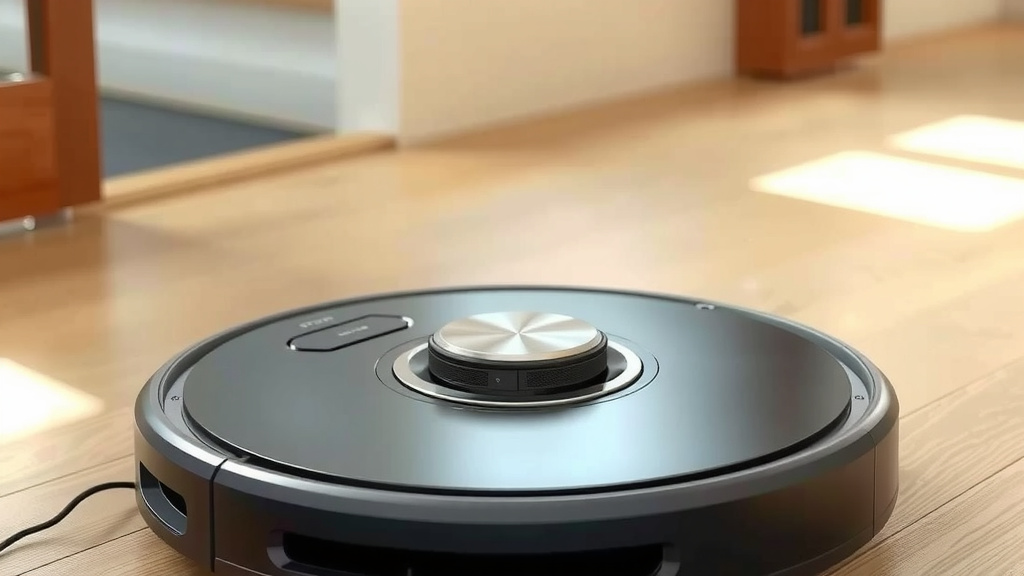
So, how many square feet can a robotic vacuum clean? Most robotic vacuums can cover **between 1,000 and 2,000 square feet** on a single charge, which is enough for most homes. Some advanced models can even clean **up to 4,000 square feet**. The actual area depends on battery life, navigation technology, and the vacuum’s design.
When you’re thinking about robotic vacuums, it’s helpful to consider battery life and coverage area. Many robot vacuums are designed to clean **multiple rooms** or an entire floor. They often automatically return to their charging base when the battery is low. Then, they resume cleaning where they left off once recharged. This means they can tackle larger spaces over time.
- Robot vacuums typically clean 1,000-2,000 sq ft per charge.
- High-end models can cover up to 4,000 sq ft.
- Battery life and smart navigation impact coverage.
- Many can recharge and resume cleaning.
- Choose a size that fits your home’s square footage.
Let’s dive deeper into what affects your robot vacuum’s cleaning power and how to get the most out of it for your specific home.
Understanding Your Robot Vacuum’s Cleaning Capacity
So, how much ground can your little robotic helper actually cover? Most robotic vacuums are designed to clean between 1,000 and 2,000 square feet on a single battery charge. This range is usually more than enough for the average home, including multiple rooms and hallways. Some of the more advanced, higher-end models can even extend that reach to a whopping 4,000 square feet. That’s quite a bit of floor for a tiny robot!
But is it just about the battery? Not entirely. Several factors work together to determine how much space your robot vacuum can tackle. Think of it like a marathon runner; their performance depends on training, energy reserves, and the course itself. Your robot vacuum is no different, with its battery life, navigation system, and even its physical design all playing a part.
Battery Life: The Heart of the Operation
The battery is arguably the most critical component. A larger battery generally means longer cleaning times and, consequently, a larger area covered per charge. We found that many robot vacuums offer between 60 to 120 minutes of cleaning time. For a typical 1,500 sq ft home, this is usually sufficient. However, if you have a larger home or multiple levels, you’ll want to pay close attention to the stated battery life.
What happens if the battery runs out before the job is done? This is where smart technology comes in. Many modern robot vacuums are equipped with a “recharge and resume” feature. This is a real lifesaver! The robot will automatically detect when its battery is low. It will then navigate back to its charging dock to refuel. Once it has enough power, it will return to the exact spot where it stopped and continue cleaning. This allows them to effectively cover spaces that might be larger than their single-charge capacity.
Navigation Technology: Smarter Cleaning, More Coverage
How your robot vacuum moves around your home significantly impacts its efficiency and the area it can clean. Older or more basic models might use a random bouncing pattern. This can lead to missed spots and longer cleaning times. It’s like letting a toddler wander aimlessly around a room – they might eventually get to everything, but it’s not the most direct route!
More advanced robots use sophisticated navigation systems. These include things like:
- Gyroscopes and accelerometers: These help the robot understand its position and movement.
- Cameras (vSLAM): Visual Simultaneous Localization and Mapping allows the robot to ‘see’ and map its surroundings.
- Lidar: This uses lasers to create a highly accurate map of your home.
Robots with smart mapping capabilities can plan the most efficient cleaning paths. They can divide your home into zones and tackle them systematically. This means less wasted time and movement, allowing them to cover more square footage effectively in a single run. We found that a robot with Lidar or vSLAM can typically clean a larger area much more quickly than one with a random navigation pattern.
The Role of Design and Features
Beyond battery and brains, a robot vacuum’s physical design and extra features can also influence its coverage. The width of its cleaning brush, for example, determines how wide a path it sweeps with each pass. A wider brush can cover more ground more quickly.
Obstacles are another big consideration. Do you have a lot of furniture, rugs with tassels, or clutter on the floor? These can slow down your robot. Some robots are better at navigating these challenges than others. Those with obstacle avoidance sensors can steer clear of furniture legs and avoid getting stuck. This means less time spent rescuing your robot and more time spent cleaning your floors.
Consider the type of flooring you have. While most robots handle hardwood, tile, and low-pile carpets well, very thick or shaggy carpets can be a challenge. They can reduce the suction efficiency and make it harder for the robot to move. If you have predominantly plush carpets, you might need a model specifically designed for them, which could impact its overall square footage capability.
Matching a Robot Vacuum to Your Home’s Size
So, how do you pick the right robot vacuum for your specific square footage? It’s about finding a balance between its capabilities and your home’s needs.
Small Spaces and Apartments
If you live in a smaller apartment or a home under 1,000 square feet, most standard robotic vacuums will be more than adequate. You likely won’t even need the ‘recharge and resume’ feature, as the robot can probably clean your entire place on a single charge. You might even find that a more basic model with random navigation does the trick quite well. Don’t feel pressured to buy the most expensive, high-tech model if your needs are simpler.
Medium-Sized Homes (1,000-2,000 sq ft)
This is where most robot vacuums shine. A model with a battery life of around 90-120 minutes and decent navigation should handle this size home comfortably. If your home has multiple rooms or a more complex layout, a robot with smart mapping is highly recommended. This will ensure it cleans efficiently without missing spots. The ‘recharge and resume’ function is a good safety net here.
Large Homes (Over 2,000 sq ft)
For larger homes, you’ll want to look at the top-tier models. These often boast larger batteries, extended runtimes (sometimes up to 3 hours), and advanced Lidar or vSLAM navigation. These robots are built to handle substantial square footage. They create detailed maps, allowing for efficient cleaning of 3,000-4,000 sq ft or more. Some even come with multiple charging docks for very large, multi-level homes, though this is less common.
When comparing models, look for these key specifications:
| Feature | Ideal for Small Homes (<1,000 sq ft) | Ideal for Medium Homes (1,000-2,000 sq ft) | Ideal for Large Homes (>2,000 sq ft) |
|---|---|---|---|
| Battery Runtime | 60+ minutes | 90-120+ minutes | 120-180+ minutes |
| Navigation | Random or basic gyroscope | Gyroscope/accelerometer, basic mapping | Lidar or vSLAM, advanced mapping |
| Recharge & Resume | Optional | Highly Recommended | Essential |
| App Features | Basic scheduling | Zone cleaning, virtual no-go zones | Multi-floor mapping, detailed room planning |
Consider Your Home’s Layout
A rambling ranch-style home might present different challenges than a tall, narrow townhouse. A robot with advanced mapping is great for complex layouts with many rooms or awkward corners. If your home is mostly open-concept, a simpler navigation system might suffice. Think about doorways, hallways, and any tight spaces. These can affect how easily a robot moves and how much area it can effectively clean.
We found that even with a robot designed for large spaces, multiple cleaning cycles might be necessary for extremely large or complex homes, especially if you want a deep clean. It’s all about managing expectations and choosing a device that aligns with your specific floor plan and cleaning habits.
A Quick Checklist for Choosing Your Robot Vacuum:
- Measure your home’s total square footage.
- Note the types of flooring you have.
- Count the number of rooms and general layout complexity.
- Decide if advanced mapping and app control are important.
- Check battery life and ‘recharge and resume’ features.
- Consider your budget and desired cleaning performance.
Conclusion
You’ve learned that most robot vacuums can handle between 1,000 and 2,000 square feet, with high-end models reaching up to 4,000 square feet. Your robot’s battery life, navigation smarts, and design all play a role in how much ground it covers. For larger homes, features like ‘recharge and resume’ and advanced mapping are key. Now that you know what to look for, you can confidently choose a robot vacuum that’s the perfect fit for your home’s unique size and layout. Take a moment to measure your space and consider these factors, and you’ll be well on your way to a cleaner home with minimal effort.
Frequently Asked Questions
How long does a robot vacuum battery typically last for cleaning?
Most robot vacuums offer between 60 to 120 minutes of cleaning time on a full charge. This is generally enough to cover a medium-sized home. For larger homes, you’ll want to look for models with longer runtimes, sometimes exceeding 3 hours.
Can a robot vacuum clean multiple floors on its own?
Typically, a single robot vacuum is designed to clean one floor at a time. If you have a multi-story home, you would need to manually move the robot to each floor or consider if the model supports multi-floor mapping and charging stations, which are less common.
Does my home’s layout affect how much square footage a robot vacuum can clean?
Yes, your home’s layout is a significant factor. Complex layouts with many rooms, tight corners, or obstacles can slow down a robot and reduce its effective cleaning area per charge compared to an open-concept space.
What happens if my robot vacuum runs out of battery mid-clean in a large home?
Many modern robot vacuums have a ‘recharge and resume’ function. If the battery gets low, the robot will automatically return to its charging dock. Once recharged, it will go back to where it left off and continue cleaning the remaining area.
Are cheaper robot vacuums less effective for larger square footage homes?
Often, yes. More affordable models may have shorter battery lives and less advanced navigation, making them less efficient for covering large areas. For homes over 2,000 square feet, investing in a model with better battery performance and smart mapping is usually recommended.
![7 Best Miele Canister Vacuum For Carpet [2026]](https://bathroomexplorer.com/wp-content/uploads/2026/06/7-best-miele-canister-vacuum-for-carpet-2026-featured-768x432.jpg)