Vacuum Cleaner Wattage Explained: How Many Watts Does Yours Use
The wattage of a vacuum cleaner can vary greatly, typically ranging from 500 to over 1500 watts. Higher wattage generally means more power for suction, but it’s not the only factor in a vacuum’s performance. You’ll find many models designed for different cleaning needs, each with its own power rating.
When you’re shopping for a new vacuum, understanding its wattage helps you gauge its potential cleaning strength. It’s often linked to how effectively it can pick up dirt and debris from your floors and carpets. Keep in mind that energy efficiency is also a consideration, with some vacuums offering strong performance without excessively high watt numbers.
- Vacuums typically use 500 to 1500 watts.
- Higher wattage often means stronger suction power.
- Wattage is a good indicator, but not the only factor for cleaning performance.
- Consider energy efficiency when looking at vacuum power.
We found that many factors contribute to a vacuum’s cleaning ability. Let’s walk through how wattage plays a role and what else you should be looking for when choosing the right vacuum for your home.
You’re looking at vacuum cleaners and see all sorts of numbers. Wattage is one of them. So, what does it really mean for your cleaning chores?
Understanding Vacuum Cleaner Wattage
The wattage of a vacuum cleaner tells you how much power it uses. Think of it like the engine size in a car. A bigger engine generally means more power. In vacuums, higher wattage often translates to a stronger suction motor. This means it can pull in more dirt, dust, and debris from your floors.
Most household vacuum cleaners run between 500 and 1500 watts. This range covers everything from lightweight stick vacuums to powerful uprights. For example, a small handheld vacuum might use around 500-700 watts. A standard upright or canister vacuum could be in the 1000-1500 watt range. Some very high-end or specialized vacuums might go even higher.
It’s important to know that wattage is just one piece of the puzzle. While it’s a good indicator of potential power, it doesn’t tell the whole story about how well a vacuum will actually clean your home. We found that other features play a big role too.
How Wattage Relates to Suction Power
Higher wattage means the motor can potentially spin faster or with more force. This generally leads to stronger airflow. Stronger airflow helps create better suction. So, a vacuum with a 1200-watt motor is likely to have more suction power than one with a 700-watt motor. More suction can mean it’s better at picking up embedded dirt in carpets or heavier debris.
We’ve seen that vacuums designed for tough jobs, like those with lots of pet hair or deep-pile carpets, often have higher wattage. This suggests they need that extra power to get the job done effectively. However, it’s not always a direct, linear relationship. A well-designed 1000-watt vacuum could outperform a poorly designed 1500-watt one.
Many experts point out that airflow (measured in cubic feet per minute, or CFM) and water lift (how high the vacuum can lift water) are also key metrics for suction. Wattage gives you a general idea, but these other specs can provide a more precise picture of a vacuum’s cleaning capability.
Wattage vs. Other Performance Factors
So, if wattage isn’t everything, what else should you consider? A lot goes into making a vacuum a cleaning champion. Let’s break down some of the other important features that work alongside wattage.
Airflow and Sealed System
Airflow is measured in CFM. It tells you how much air the vacuum can move. A higher CFM generally means better cleaning. A sealed system is also vital. This means that all the air entering the vacuum passes through the filters and dirt bin before being expelled. If the system isn’t sealed, dirt can leak out, reducing effective suction and potentially blowing dust back into your air. We found that many high-wattage vacuums might not perform as well if they have leaks or poor airflow.
Brush Roll Design and Motor Speed
The brush roll is the rotating brush on the vacuum’s head. Its design matters a lot, especially for carpets. Some brush rolls have stiffer bristles, while others are softer. The speed at which the brush roll spins also affects how well it agitates dirt out of carpet fibers. A powerful motor (high wattage) is great, but if the brush roll can’t effectively lift and loosen debris, that power might go to waste. Some vacuums offer adjustable brush roll speed, which is a nice feature.
Filtration System
While not directly related to suction power, a good filtration system is crucial for healthy air quality. Vacuums with higher wattage are often designed to handle more debris, so a robust filter (like HEPA) is important to trap fine particles. We found that a vacuum’s ability to capture allergens and fine dust is often linked to its filtration, not just its motor power.
Energy Efficiency and Wattage
You might wonder if a high-wattage vacuum uses a lot of electricity. Generally, yes, it does. A 1500-watt vacuum will use more power than a 700-watt one when both are running. However, the energy efficiency of a vacuum isn’t solely determined by its wattage. Design and technology play a role.
Many modern vacuums are designed to be more energy-efficient. This means they can deliver good cleaning performance without needing excessively high wattage. Some manufacturers have found ways to optimize motor design and airflow to achieve strong suction with lower power consumption. It’s a balance between raw power and smart engineering.
When you’re choosing a vacuum, consider how often you’ll use it and for what purposes. If you only need a quick clean-up here and there, a lower-wattage model might be perfectly fine and save you on your electricity bill. For deep cleaning or large homes, you might lean towards higher wattage, but always look for models that also boast good energy efficiency ratings if that’s a concern for you.
Typical Wattage by Vacuum Type
The type of vacuum you choose often dictates its typical wattage. Here’s a general breakdown to give you an idea:
| Vacuum Type | Typical Wattage Range | Common Uses |
|---|---|---|
| Handheld Vacuums | 400 – 700 watts | Quick spills, car interiors, upholstery |
| Stick Vacuums | 600 – 1200 watts | Hard floors, low-pile carpets, quick whole-room cleaning |
| Upright Vacuums | 900 – 1500+ watts | Whole-home cleaning, medium to deep carpets, versatility |
| Canister Vacuums | 1000 – 1600+ watts | Versatile cleaning, above-floor, hard floors, delicate surfaces |
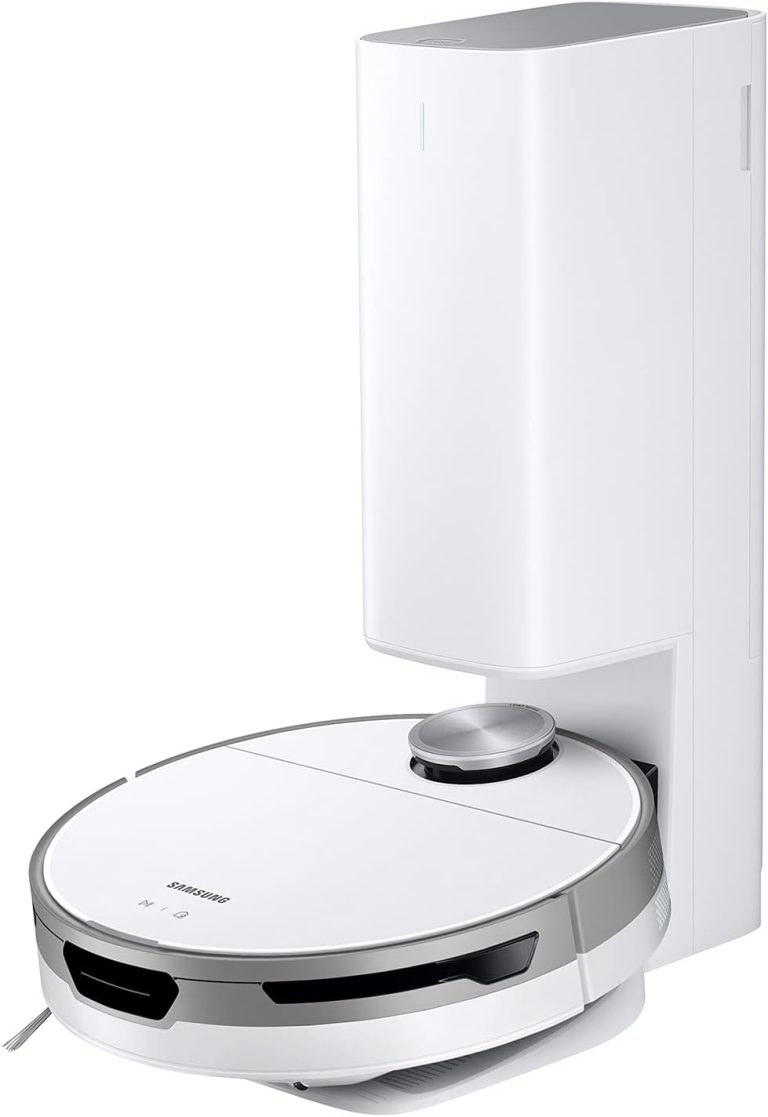
| Robotic Vacuums | 20 – 50 watts | Automated maintenance cleaning, light debris |
It’s interesting to see how much less power robotic vacuums use. They rely on continuous, light cleaning rather than a single powerful pass. Many manufacturers also list the amperage (amps) for vacuums, especially in the US. Generally, 10 amps is roughly equivalent to 1200 watts. So, you might see both numbers used.
What Wattage is “Good Enough”?
So, you’re probably asking, “What wattage should I look for?” We found that for most average homes, a vacuum in the 1000 to 1200 watt range is often a good sweet spot. This usually provides ample suction for everyday dirt and debris on various floor types.
If you have pets that shed a lot or deep carpets, you might want to aim higher, perhaps 1200-1500 watts. For smaller apartments or primarily hard floors, you might be perfectly happy with a vacuum around 700-900 watts, especially if it’s a well-designed stick or compact upright. Remember, the best vacuum is one that fits your specific needs and home environment.
Don’t get too hung up on wattage alone. It’s one spec among many. Look at reviews, check for features like good filtration and effective brush rolls, and consider the overall design. That’s how you’ll find a vacuum that truly works for you.
Key Things to Remember When Shopping
When you’re out there looking for your next vacuum cleaner, keep these points in mind:
- Wattage indicates power usage, often correlating with suction strength.
- Aim for 1000-1500 watts for most typical home cleaning needs.
- Consider your floor types (carpets vs. hard floors).
- Look beyond wattage: check airflow, filtration, and brush design.
- Energy efficiency is a bonus, especially for frequent use.
- Read reviews to see real-world performance.
Conclusion
Understanding vacuum cleaner wattage is a helpful step in finding the right cleaning tool. We learned that wattage often points to how much power a vacuum uses, which can relate to its suction strength. For most homes, a range of 1000 to 1500 watts offers good performance. But remember, it’s just one part of the picture. Factors like airflow, brush design, and filtration also greatly impact how well a vacuum cleans. Don’t get overwhelmed by the numbers; consider your specific cleaning needs and floor types. Your next step is to use this knowledge to compare models and read reviews to find the perfect vacuum for your home.
Frequently Asked Questions
Do I need a high-wattage vacuum for pet hair?
Often, yes. Vacuums designed for pet hair typically have higher wattage, ranging from 1200 to 1500 watts or more. This extra power helps them generate stronger suction needed to lift stubborn pet hair from carpets and upholstery. We also found that specialized brush rolls are essential for tackling pet messes effectively.
Are low-wattage vacuums less effective?
Not necessarily. While higher wattage can mean more power, a lower-wattage vacuum can still be very effective if well-designed. For example, a 700-watt stick vacuum might perform excellently on hard floors or low-pile carpets. We’ve seen that good engineering and airflow can make up for lower wattage in certain situations.
What does amperage (amps) mean for a vacuum cleaner?
Amperage is another way power is measured, especially common in the US. We found that 10 amps is roughly equivalent to 1200 watts. So, if a vacuum lists its power in amps, you can use this conversion to get a comparable wattage figure. It gives you another metric to judge potential suction power.
Can I tell how powerful a vacuum is just by its wattage?
Wattage gives you a good general idea of a vacuum’s power consumption and potential suction, but it’s not the whole story. We’ve seen that features like airflow (CFM), a sealed system, and brush roll design also play a huge role in cleaning performance. It’s best to consider wattage alongside these other factors.
How does a robotic vacuum’s low wattage compare to a standard vacuum?
Robotic vacuums typically use very low wattage, often between 20-50 watts. This is because they are designed for continuous, light cleaning rather than deep, powerful suction. They rely on automated daily maintenance. Standard vacuums use much higher wattage to achieve intense cleaning in a single pass.