How Much Do Air Purifiers Actually Help? A Comprehensive Guide to Indoor Air Quality
That air purifier in your home – is it truly making a difference, or just taking up space? It’s a question many of us ponder. With countless households investing in these devices annually to enhance their air quality, a common doubt persists regarding their actual impact. Join me as we delve into the scientific evidence surrounding air purifiers and uncover the extent to which they can genuinely elevate your indoor environment.
Understanding What Air Purifiers Actually Do
Before we dive into how much they help, let’s clarify what air purifiers are designed to do. Think of an air purifier as a filter that works similar to a bouncer at a nightclub—it catches unwanted particles and lets the clean air pass through. These devices pull air from your room, pass it through one or more filters, and then release cleaned air back into the space.
The Basic Mechanism Behind Air Purification
Most modern air purifiers use a combination of filtering technologies to remove contaminants from your indoor environment. The primary method involves mechanical filtration, where particles get trapped in a filter material. It’s like trying to pass sand through a strainer—the particles can’t make it through, so they stay behind while the air passes.
The effectiveness of this process depends on several factors, including the size of the particles being filtered, the quality of the filter material, and how frequently the air in your room cycles through the purifier. A typical air purifier can clean the air in a room multiple times per hour, which means it gets multiple chances to catch pollutants.
Different Types of Filtration Technologies
Not all air purifiers are created equal. Various technologies work in different ways:
- HEPA Filters: These high-efficiency particulate air filters can capture 99.97 percent of particles that are 0.3 micrometers or larger. They’re considered the gold standard in mechanical filtration.
- Activated Carbon Filters: These excel at removing odors, gases, and volatile organic compounds (VOCs). They work by absorption, pulling gases into the porous carbon material.
- Ionizers: These release negative ions that attach to particles, causing them to become heavier and drop out of the air. However, they’re less reliable than HEPA filters.
- UV Lights: Some purifiers use ultraviolet light to kill bacteria and viruses, though this doesn’t remove particles from the air.
- Photocatalytic Oxidation: This technology uses UV light with a catalyst to break down pollutants at a molecular level.
How Much Do Air Purifiers Help with Common Pollutants?
Particulate Matter and Dust
If you’re concerned about dust, pollen, and general particulate matter, air purifiers can genuinely help. HEPA filters are particularly effective at removing these visible particles from your air. Studies show that running a quality air purifier with a true HEPA filter can reduce particulate matter by 50 to 90 percent within a room, depending on how long you run it and the size of the space.
Think of it this way: if you have a room where dust seems to settle everywhere within a day or two, a running purifier could extend that timeline to several days or a week. That’s a meaningful improvement that you’ll actually notice when you’re dusting your furniture.
Allergens and Pollen
For people with allergies, air purifiers can provide substantial relief. Pollen particles, pet dander, and dust mites are all effectively captured by HEPA filters. Research indicates that people with seasonal allergies often experience fewer symptoms when using air purifiers in their bedrooms, particularly if they run them continuously.
The key here is consistency. Running your purifier only occasionally won’t give you the same benefits as keeping it running during high pollen seasons or if you have pets that shed. It’s like the difference between occasionally sweeping your floors and vacuuming them regularly—you’ll see much better results with the latter approach.
Odors and Volatile Organic Compounds
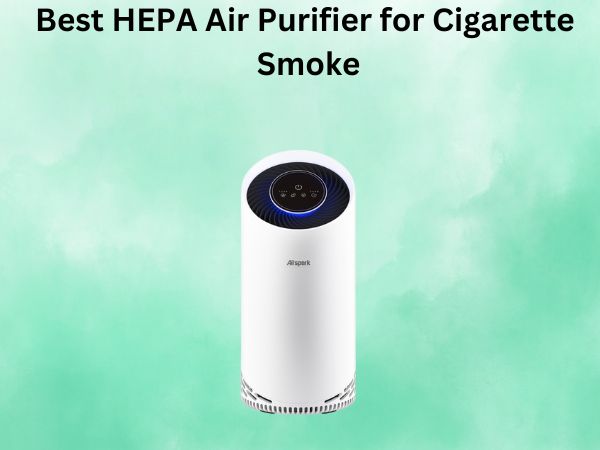
This is where the results become more variable. While activated carbon filters are excellent at removing odors, they have limitations. They work well for cooking smells, pet odors, and light chemical smells. However, if you’re dealing with severe odor issues like smoke from heavy cooking or nearby smokers, an air purifier alone might not be enough.
VOCs come from sources like paints, cleaning products, and furniture off-gassing. An air purifier with a carbon filter will help reduce these, but it won’t eliminate the source of the problem. It’s similar to spraying air freshener in a room versus opening windows and eliminating what’s causing the smell.
Bacteria and Viruses
Here’s where many people have misconceptions. While some purifiers claim to kill bacteria and viruses using UV light or other methods, these devices don’t necessarily remove all pathogens from the air. HEPA filters can capture some bacteria and viruses, but true sterilization requires UV light technology to actually kill these microorganisms.
The reality is nuanced. Air purifiers can reduce the number of airborne pathogens, but they’re not a substitute for other preventive measures like ventilation, handwashing, and social distancing during illness. They’re one tool in your toolkit, not the entire toolkit.
Factors That Affect How Much Air Purifiers Help
Room Size and Air Changes Per Hour
One of the most important factors determining how much an air purifier helps is whether it’s appropriately sized for your room. This is measured in “air changes per hour” or ACH. If a purifier can handle 4 air changes per hour in your space, that means the entire volume of air in your room passes through the filter four times every hour.
Most experts recommend at least 4 ACH for general air quality improvement, and 5 to 6 ACH if you have allergies or respiratory concerns. Using a purifier that’s too small for your room is like trying to bail out a boat with a teaspoon—technically you’re removing water, but not fast enough to make a real difference.
Filter Quality and Maintenance
A high-quality HEPA filter is far more effective than a cheap imitation. Not all filters labeled “HEPA-type” are true HEPA filters. Real HEPA filters are manufactured to strict standards, while “HEPA-type” filters are simply less regulated and less effective.
Additionally, a filter that hasn’t been changed in six months will help far less than one that’s been maintained according to the manufacturer’s recommendations. As filters accumulate dust and particles, they become clogged and less effective. It’s like trying to drink through a straw that’s progressively getting narrower—at some point, the flow becomes negligible.
Room Ventilation and Sealing
If your room has poor ventilation with lots of air leaks around doors and windows, or if you’re constantly opening windows, an air purifier becomes less effective. Conversely, if your room is well-sealed, the purifier has a better chance of reducing pollutants.
This doesn’t mean you should seal your room completely—fresh outside air is important. But it does mean that running an air purifier in a room where fresh air constantly enters will reduce its overall effectiveness. The purifier is working against a constant influx of new pollutants.
Duration of Use
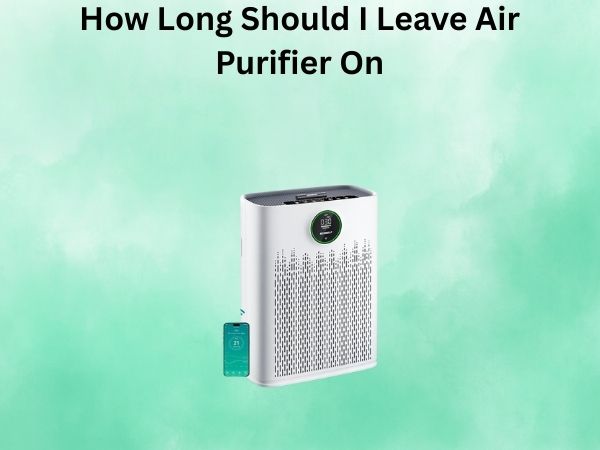
How long you run your purifier matters significantly. Running it for one hour before bed won’t give you the same benefits as running it continuously. Pollutants gradually accumulate again once you turn it off, so continuous operation provides better overall air quality maintenance.
Health Benefits You Can Actually Expect
Reduction in Allergy and Asthma Symptoms
Multiple studies show that air purifiers can help reduce symptoms for people with allergies and asthma. In one notable study, people with allergies who used HEPA air purifiers in their bedrooms reported fewer nighttime symptoms and better sleep quality. That’s a tangible benefit that improves daily life.
However, the magnitude of improvement varies. Some people experience dramatic relief, while others notice only modest improvements. This depends on the severity of their condition, the specific triggers they’re sensitive to, and how well the purifier is matched to their space.
Improved Sleep Quality
Some people report better sleep when using air purifiers, particularly if they suffer from allergies. This could be due to reduced allergen exposure, reduced nighttime symptoms, or even the white noise produced by the purifier itself, which helps some people sleep better.
General Wellness and Breathing Comfort
Beyond documented health conditions, many people simply feel that they breathe easier with an air purifier running. This could be a placebo effect, or it could reflect genuine improvements in air quality. Either way, if running a purifier makes you feel better, that’s a real benefit worth considering.
What Air Purifiers Cannot Help With
Outdoor Air Pollution
If you live in an area with significant outdoor air pollution, an air purifier can only help within your home. Once you step outside, you’re exposed to polluted air. Air purifiers don’t change the outdoor environment; they only improve the indoor air quality in the space they’re operating.
Structural or Mold Issues
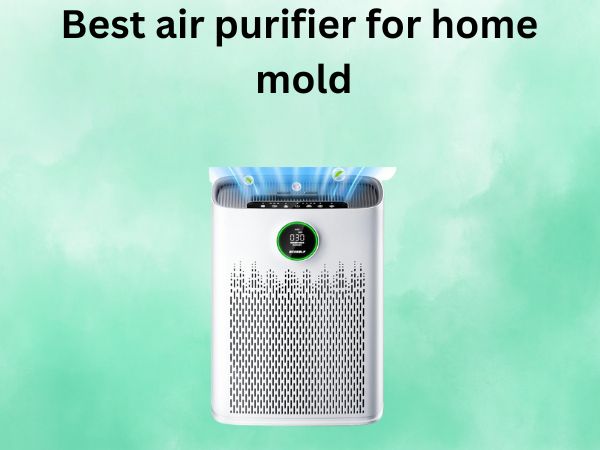
If you have mold growing in your walls or HVAC system, an air purifier isn’t the solution. While it might capture some mold spores from the air, it won’t address the underlying moisture problem causing the mold growth. You need to fix the structural issue first.
Extreme Contamination Events
In situations like heavy wildfire smoke or industrial accidents, even a good air purifier can only do so much. It will help reduce the concentration of pollutants, but it can’t completely eliminate them if the contamination is severe.
Comparing Air Purifiers to Other Solutions
Air Purifiers vs. Open Windows
Opening windows provides fresh air and natural ventilation, which is invaluable. However, in polluted areas or during high pollen seasons, open windows work against you. Air purifiers work when windows are closed, giving you control over what enters your space. The ideal approach often involves both strategies—using purifiers when outdoor air quality is poor and opening windows when conditions are favorable.
Air Purifiers vs. HVAC System Upgrades
If your home has a central heating and cooling system, upgrading the filters in your HVAC system can improve air quality throughout your entire home. This is more comprehensive than a single room purifier. However, HVAC upgrades are more expensive and require professional installation. A portable air purifier is more affordable and flexible, allowing you to focus on specific rooms.
Air Purifiers Combined with Other Methods
The most effective approach to indoor air quality usually involves multiple strategies. Using air purifiers along with proper ventilation, regular cleaning, humidity control, and eliminating pollution sources creates the best indoor environment.
Real-World Effectiveness: What Research Shows
Studies on Particulate Matter Reduction
Research consistently shows that HEPA air purifiers effectively reduce particulate matter. Studies in homes, offices, and laboratories demonstrate reductions of 50 to 95 percent in suspended particles, depending on the specific conditions and duration of use.
Allergy and Asthma Relief Studies
Clinical studies examining people with allergies and asthma show that air purifiers do provide measurable relief. People report fewer symptoms, better sleep, and improved quality of life. These aren’t massive improvements in everyone, but they’re significant enough to be clinically meaningful.
Limitations in Real-World Conditions
Most research is conducted in controlled laboratory conditions. In real homes with people moving around, doors opening and closing, and activities generating new pollutants constantly, the effectiveness is somewhat less dramatic than lab studies suggest. Still, the benefits are meaningful and measurable.
Choosing the Right Air Purifier for Your Needs
Assessing Your Primary Concern
Are you mainly concerned about dust and allergens, or are you dealing with odor issues? Do you have respiratory conditions, or are you primarily focused on general air quality? Your main concern should drive which type of purifier you choose. A particle-focused person might prefer a pure HEPA filter model, while someone dealing with odors should prioritize activated carbon capacity.
Calculating the Right Size
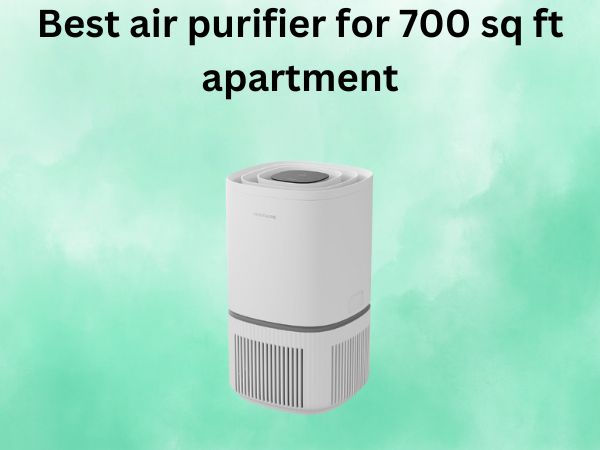
Measure your room and check the purifier’s coverage area. Don’t just look at the square footage; also check the ACH rating for your specific room size. A purifier rated for 4 ACH in a 400-square-foot room will help significantly, while the same purifier in a 600-square-foot room will be less effective.
Budget Considerations
Air purifiers range from budget models under $100 to premium units exceeding $1,000. More expensive doesn’t always mean better for your specific situation. A mid-range HEPA purifier ($200-$400) often provides excellent value and genuine improvement in air quality. The additional cost of premium models sometimes reflects brand reputation rather than proportionally better performance.
Long-Term Maintenance and Costs
Filter Replacement Expenses
Don’t forget about ongoing costs. HEPA filters typically need replacement every 6 to 12 months, costing $40 to $80 per replacement. Carbon filters need changing more frequently, sometimes every 3 to 6 months. Factor these costs into your decision when determining whether an air purifier is truly worthwhile for your situation.
Energy Consumption
Air purifiers consume electricity continuously if you run them all day. Most modern units use between 40 and 200 watts, adding roughly $10 to $50 per year to your electricity bill depending on the model and how often you run it. This is relatively modest but worth considering.
Conclusion
So, how much do air purifiers actually help? The honest answer is: they help more than most people initially think, but they’re not miracle devices. A quality HEPA air purifier can genuinely reduce dust, pollen, pet dander, and other particulates by 50 to 90 percent in the room where it’s operating. For people with allergies and asthma, this often translates to noticeable symptom relief and better sleep quality.
Air purifiers help most when they’re the right size for your room, when you maintain the filters properly, and when you run them consistently. They work best when combined with other air quality strategies like proper ventilation, regular cleaning, and humidity control. They cannot solve severe problems like outdoor pollution or mold growth, nor will they completely eliminate odors or pathogens in all circumstances.
If you’re allergic, have asthma, live in a dusty area, or own pets, an air purifier is likely a worthwhile investment that will genuinely improve your indoor air quality and comfort. If you’re simply curious about general air quality, the benefits might be less dramatic, but you’ll probably still notice some improvement in cleanliness and freshness. The key is having realistic expectations and choosing a purifier appropriate for your specific needs and room size.
Frequently Asked Questions
Will an air purifier eliminate all bad smells from my home?
An air purifier with activated carbon will significantly reduce odors, but won’t completely eliminate them if the source is continuous. For persistent odors like those from cooking, smoking, or pet accidents, a purifier helps but won’t be a complete solution. You’ll also need to address the source of the odor