How Much Does an Air Purifier Actually Help Your Health? The Complete Science-Backed Guide
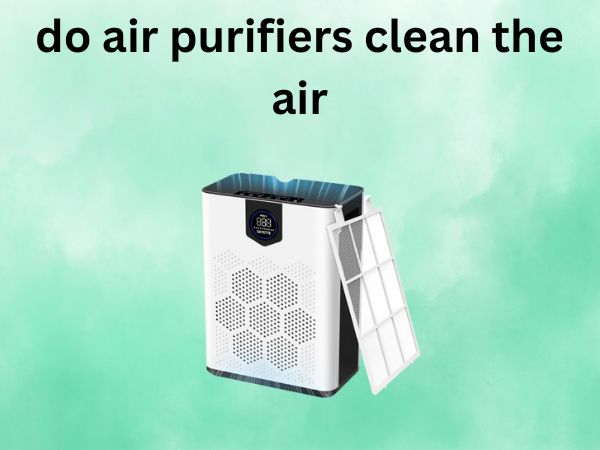
Ever wondered about the quality of the air you breathe daily? You’re not alone if you’ve been thinking about an air purifier. Millions are seeking cleaner indoor air. However, it’s crucial to understand that not all purifiers deliver the same results, and their health benefits are highly dependent on individual factors. This guide will clarify what truly makes a difference in air purification for your well-being.
Understanding What We’re Actually Breathing
Before we can talk about how much an air purifier helps, we need to understand what we’re dealing with. Indoor air isn’t just oxygen and nitrogen. It’s loaded with invisible particles and pollutants that most of us never think about. Think of your home’s air like a glass of water—it looks clear, but there’s a lot happening at the microscopic level.
The air inside your home contains dust mites, pet dander, pollen, bacteria, viruses, mold spores, and chemical pollutants like volatile organic compounds (VOCs). These particles range from larger dust particles you can see floating in sunlight to microscopic irritants that trigger allergies and respiratory problems. The EPA actually estimates that indoor air can be two to five times more polluted than outdoor air. That’s a pretty startling statistic when you consider how much time we spend indoors.
The Most Common Indoor Air Pollutants
Let me break down the main culprits that air purifiers are designed to tackle:
- Particulate matter from dust, pet hair, and skin cells
- Allergens like pollen and dust mite waste
- Mold spores from damp areas
- Bacteria and viruses floating through the air
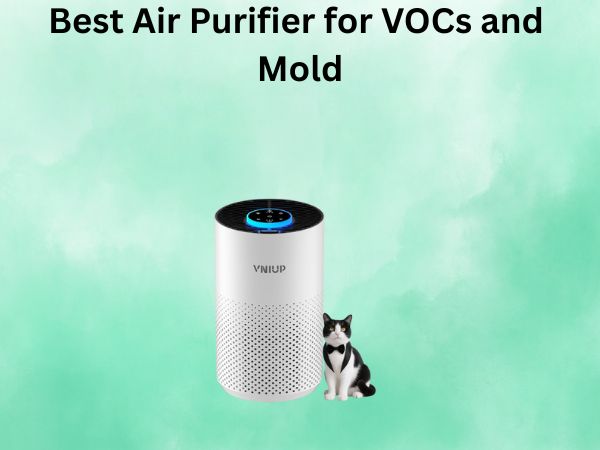
- VOCs from paints, cleaning supplies, and furniture
- Smoke particles from cooking or tobacco
- Pet odors and dander
Each of these poses different health risks, and understanding which ones affect you personally is key to determining whether an air purifier will actually help.
The Real Health Benefits of Air Purifiers
Here’s where I need to be honest with you: air purifiers aren’t magic devices that eliminate all health problems. But they do offer real, measurable benefits for many people—especially those with specific health conditions or living situations.
Who Benefits Most from Air Purifiers?
Let’s talk about the people who see the biggest improvements. If you have asthma, allergies, or other respiratory conditions, an air purifier can be genuinely life-changing. Why? Because these conditions are often triggered by airborne particles that a good purifier can actually remove from your space. Studies have shown that people with asthma experience fewer symptoms when using HEPA filtration, which removes particles as small as 0.3 microns from the air.
If you live in an urban area with heavy pollution, suffer from seasonal allergies, have pets that shed constantly, or recently renovated your home with chemical-laden materials, an air purifier becomes much more than a nice-to-have—it becomes a practical health tool.
Asthma and Respiratory Conditions
People with asthma often find their symptoms triggered by airborne particles and pollutants. A quality HEPA air purifier can reduce these triggers by removing fine particles from the air, leading to fewer coughing fits, less wheezing, and better overall breathing. It’s not a cure, but it’s genuinely helpful relief for many sufferers.
Allergies and Hay Fever
If you’re someone who sneezes through spring or can’t breathe when you’re around cats, an air purifier with activated carbon and HEPA filters addresses your specific problem. It traps pollen and pet dander before you inhale them, which means fewer antihistamines and a better quality of life during allergy season.
Sleep Quality
Here’s something people don’t talk about enough: poor air quality affects sleep. When you’re breathing in dust and allergens all night, your body works harder, you wake up more often, and you don’t feel rested. A cleaner sleeping environment often translates to deeper, more restorative sleep.
The Science Behind HEPA Filters and Effectiveness
Not all air purifiers work the same way, and this is important to understand. A HEPA filter isn’t just marketing speak—it’s an actual standard. A true HEPA filter must remove 99.97 percent of particles 0.3 microns or larger from the air passing through it. That’s incredibly efficient.
When air moves through a HEPA filter, particles get trapped through three mechanisms: interception (particles following air flow and hitting the fiber), impaction (larger particles can’t change direction quickly enough), and diffusion (tiny particles bounce around randomly and eventually hit a fiber). It’s like a microscopic net that catches pollution.
Why Not All Air Purifiers Are Created Equal
Here’s where I see a lot of confusion. Just because something claims to be an air purifier doesn’t mean it actually works. Some purifiers use ionizers or ozone generators—methods that sound scientific but actually create additional pollutants. Others have tiny filters that might look impressive but lack the surface area to actually clean a room effectively.
The real effectiveness depends on several factors: the actual filter quality, the air changes per hour (how many times the purifier cycles air through), the room size versus the purifier’s capacity, and how well sealed your home is. A HEPA filter is essential, but it’s only one piece of the puzzle.
What Air Purifiers Cannot Do
I want to be clear about the limitations because I think transparency matters here. Air purifiers are powerful tools, but they’re not a complete solution to indoor air quality.
They Don’t Address the Root Cause
Think of an air purifier like a vacuum cleaner—it’s a response to the problem, not a prevention. If you’re producing a lot of dust or pollution sources (like smoking indoors, burning candles, or having excessive moisture), a purifier is constantly fighting an uphill battle. It’ll help, but addressing the root cause is more important.
They Don’t Reach Every Corner
An air purifier in your living room won’t clean the air in your bedroom if the doors are closed. These devices work best in single rooms or connected open-concept spaces. If you want to purify your entire home, you’ll need multiple units or a whole-home system.
They Can’t Remove All Pollutants
While HEPA filters are excellent at removing particulates, they’re less effective at removing gaseous pollutants like carbon monoxide or formaldehyde without activated carbon filters. And even activated carbon needs regular replacement to stay effective.
Air Purifier Types and Their Different Benefits
HEPA Filtration Systems
These are the gold standard for particle removal. HEPA purifiers excel at removing dust, pollen, pet dander, and other particulates. If particles are your main concern, HEPA is your answer. Many also include pre-filters and activated carbon, making them more comprehensive.
Activated Carbon Filters
These specialize in removing gases and odors. If you’re dealing with smoke, cooking smells, or chemical off-gassing from new furniture, activated carbon helps. However, it’s usually most effective when paired with HEPA filtration.
UV-C Light Purifiers
These use ultraviolet light to kill bacteria and viruses. While the concept is solid—UV light does disrupt pathogenic microorganisms—effectiveness depends on air flow speed and exposure time. Most UV purifiers work best as a supplementary feature alongside HEPA filtration.
Real-World Scenarios: When Air Purifiers Make the Biggest Difference
Living Near Busy Roads
If your home is close to heavy traffic, you’re breathing in exhaust particles constantly. An air purifier significantly reduces these pollutants, making a real difference in your respiratory health over time.
Homes with Multiple Pets
Pet owners know the struggle—fur, dander, and odors accumulate quickly. A good purifier with carbon filtration noticeably reduces both the particles and the smells, making your home fresher and healthier.
Post-Renovation Environments
New paint, new flooring, new furniture—all of these off-gas VOCs into your home. Running an air purifier with activated carbon during and after renovations significantly reduces your exposure to these chemicals.
Homes in Wildfire Zones
If you live where wildfire smoke is a seasonal concern, an air purifier becomes essential. The smoke particles are exactly what HEPA filters excel at removing, and many people report dramatically improved breathing during smoky seasons.
How to Maximize Your Air Purifier’s Effectiveness
Having an air purifier is one thing. Using it correctly is what actually delivers results. Let me share some practical tips that make a real difference.
Placement Matters
Put your purifier in the room where you spend the most time—usually your bedroom. Make sure it has clear space around it so air can flow freely. Don’t tuck it in a corner or behind furniture, as this reduces its effectiveness.
Keep Doors Closed
If you want clean air in a specific room, keep the doors closed. Open doors mean the purifier has to work harder to cycle the larger volume of air, and pollution from other rooms enters constantly.
Run It Continuously
For best results, keep your air purifier running all the time, even when you’re not home. Continuous operation provides consistent air quality and is usually more efficient than running it in bursts.
Replace Filters on Schedule
This is crucial and often overlooked. A clogged filter can’t remove pollutants effectively and might even spread what it’s trapped. Check your purifier’s manual and stick to the replacement schedule religiously.
The Cost-Benefit Analysis
Air purifiers range from budget-friendly at a few hundred dollars to high-end systems costing over a thousand. Is it worth it? That depends entirely on your situation.
If you have asthma, allergies, or respiratory issues, the cost is easily justified by improved health and fewer medical expenses. If you’re simply looking for fresher-smelling air, the benefit might not outweigh the cost. Think about your specific needs and health situation rather than making a generic choice.
Also consider that maintaining an air purifier with regular filter replacements is an ongoing cost. Budget for this before purchasing.
Common Misconceptions About Air Purifiers
Misconception: All Air Purifiers Are Equally Effective
False. Quality matters significantly. A cheap purifier with a thin filter and low CADR (Clean Air Delivery Rate) won’t clean your air effectively.
Misconception: One Purifier Cleans Your Entire Home
Not unless you have an open-concept space. Closed doors and separate rooms require separate consideration or a whole-home system.
Misconception: Air Purifiers Eliminate Cooking Smells
HEPA alone won’t do it—you need activated carbon. Even then, it’s most effective with good ventilation like a range hood running simultaneously.
What the Research Actually Says
Multiple peer-reviewed studies confirm that HEPA air purifiers effectively reduce particulate matter in indoor environments. Research in the Journal of Allergy and Clinical Immunology shows that people with allergies experience symptom relief when using HEPA purifiers in their bedrooms.
Studies on asthma management consistently show that air purification combined with other interventions (like allergen-proof bedding) provides meaningful improvement in symptoms and exacerbation frequency.
However, research also shows that air purifiers work best as part of a comprehensive approach to indoor air quality that includes ventilation, humidity control, and removing pollution sources—not as standalone solutions.
Alternatives and Complementary Approaches
Before or alongside investing in an air purifier, consider these other air quality improvements:
- Improve ventilation by opening windows when weather permits
- Use exhaust fans in bathrooms and kitchens
- Control humidity with dehumidifiers to reduce mold and dust mites
- Remove or reduce pollution sources like smoking, scented candles, and chemical cleaners
- Regular vacuuming with HEPA-filter vacuums
- Washing bedding frequently in hot water
- Using allergen-proof mattress and pillow covers
These steps often make a bigger difference than an air purifier alone, especially when combined.
Conclusion
So, how much does an air purifier actually help your health? The honest answer is: it depends. If you have allergies, asthma, or respiratory issues, an air purifier with a true HEPA filter can meaningfully improve your health and quality of life. If you live in a polluted area or have significant indoor air quality issues, you’ll likely see noticeable benefits. But if you’re just casually considering one without specific health concerns, the benefit might be more modest.
The key is understanding your specific situation. What are your actual air quality problems? Do you have health conditions affected by air quality? How much time do you spend in your home? Once you answer these questions, you’ll know whether investing in an air purifier is a smart decision for you.
Remember that an air purifier is a tool, not a magic solution. It works best when combined with other strategies like good ventilation, humidity control, and reducing pollution sources. If you decide to invest in one, choose a model with true HEPA filtration, appropriate for your room size, and commit to regular filter maintenance. Done right, an air purifier can be a genuine asset to your health and home environment.
Frequently Asked Questions
Can an air purifier help with dust allergies?
Yes, absolutely. Dust allergies are triggered by dust mite waste and particles, which are exactly what HEPA filters remove. A quality HEPA air purifier running in your bedroom can significantly reduce dust allergy symptoms, especially when combined with other measures like allergen-proof bedding covers and regular cleaning. Many people notice symptom improvement within days of running a purifier consistently.
How often should I replace my air purifier filters?
This varies by model and air quality conditions, but most HEPA filters need replacement every 6 to 12 months. If you have pets, smoke, or live in a dusty area, you may need more frequent replacements. Check your specific purifier’s manual and don’t ignore the replacement schedule, as a clogged filter stops working effectively.
Will an air purifier help with COVID-19?
Air purifiers can reduce the airborne viral particles in your home, which provides some protection. However, they work best in conjunction with ventilation, not as a substitute for it. HEPA filters can capture the virus-containing particles, but for maximum effectiveness during pandemic concerns, use the purifier alongside opening windows and maintaining good ventilation patterns.
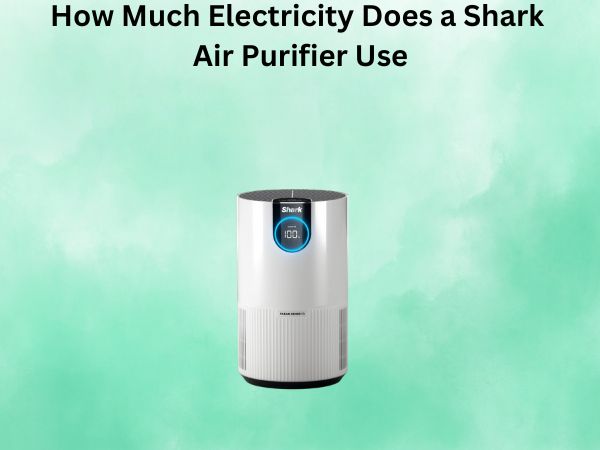
Do air purifiers use a lot of electricity?
Most air purifiers use 30 to 200 watts of electricity, which is relatively