How Much Does It Cost to Run an Air Purifier? A Complete Guide to Home Air Quality Expenses
Considering an air purifier for your home, but worried about the ongoing expenses? That was precisely my concern when I started looking into them. Many people wonder if the initial purchase is just the beginning of a costly commitment. If you’re pondering the true financial impact of daily operation, you’ve landed in the right spot. Let’s break down all the essential details about the actual costs involved in keeping your air purifier running.
The truth is, many people underestimate the total cost of ownership when it comes to air purifiers. It’s not just about the upfront purchase price—there are ongoing expenses that catch folks off guard. But don’t worry; by the end of this article, you’ll have a crystal-clear understanding of what you’re actually paying for cleaner air.
Understanding the Basics: What Makes Up Your Air Purifier Costs
Before we dive into the numbers, let’s talk about what actually contributes to the cost of running an air purifier. Think of it like owning a car—there’s the initial purchase, but then there’s gas, maintenance, and repairs. Air purifiers work similarly, and understanding these categories will help you budget properly.
The main expenses fall into several buckets: electricity consumption, filter replacements, maintenance, and in some cases, professional cleaning services. Let me break each of these down so you understand where your money’s going.
The Primary Cost Factor: Electricity Consumption
The biggest ongoing expense for most air purifier owners is the electricity needed to power the device. This is where the math gets interesting, and honestly, it’s more affordable than most people think.
Here’s how it works: air purifiers consume power in watts, just like your television, microwave, or refrigerator. Most household air purifiers range from about 30 watts to 200 watts, depending on the model and size. Some high-end or commercial-grade units might use even more power when running on maximum settings.
To calculate your monthly electricity cost, you need to know three things: the wattage of your unit, how many hours per day you run it, and your local electricity rate. Most of us pay somewhere between 10 to 15 cents per kilowatt-hour, though this varies significantly by region.
Breaking Down the Electricity Math
Let’s say you have a mid-range air purifier that uses 100 watts and you run it 24 hours a day. First, convert watts to kilowatts: 100 watts equals 0.1 kilowatts. Now multiply that by 24 hours to get 2.4 kilowatt-hours per day. Over 30 days, that’s 72 kilowatt-hours monthly.
If your electricity rate is 12 cents per kilowatt-hour, your monthly cost would be just $8.64. Over a year, that’s roughly $104 in electricity alone. See? Not as scary as it sounds, right?
Of course, this number changes if you run your purifier on different settings. Many people run theirs on lower settings during the day and higher settings at night or when they’re home. This can reduce your electricity consumption significantly.
Filter Replacement: The Hidden Ongoing Expense
Now here’s where the real ongoing costs come in—filter replacements. This is the expense that surprises people the most because nobody thinks about it when they first buy the device.
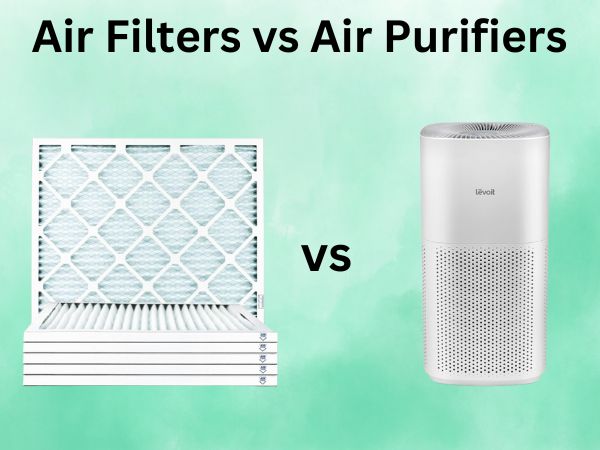
Most air purifiers use multiple filters working together. Typically, you’ll have a pre-filter, a HEPA filter, and sometimes an activated carbon filter. Each of these filters has a different lifespan, and they all need to be replaced periodically.
Understanding Filter Types and Replacement Schedules
The pre-filter, which catches larger particles like dust and hair, might need replacing every 3 to 6 months. The HEPA filter, the heart of your air purification system, usually lasts between 6 to 12 months depending on air quality and usage. The activated carbon filter, which handles odors and chemical particles, typically needs replacement every 3 to 6 months.
Here’s what I’ve learned: the cost of replacement filters varies wildly. A cheap air purifier might have filters costing $20 to $40 each. A premium model could run you $50 to $150 or more per filter set. This is actually a crucial consideration when buying an air purifier in the first place—some models have expensive replacement filters, which means higher long-term costs.
If you’re running an average air purifier with filters costing $100 annually for replacements, that’s a significant ongoing expense stacked on top of your electricity costs.
Calculating Your Total Annual Air Purifier Operating Costs
Let me put together some realistic scenarios so you can see what you might actually spend in a year.
Budget Air Purifier Scenario
Imagine you purchase a budget air purifier that uses 60 watts and runs 12 hours daily. Your electricity rate is 12 cents per kilowatt-hour, and replacement filters cost $60 annually.
- Daily consumption: 0.06 kW × 12 hours = 0.72 kWh
- Monthly consumption: 0.72 kWh × 30 days = 21.6 kWh
- Monthly electricity cost: 21.6 kWh × $0.12 = $2.59
- Annual electricity cost: $2.59 × 12 = $31.08
- Annual filter cost: $60
- Total annual operating cost: $91.08
Mid-Range Air Purifier Scenario
Now let’s look at a mid-range model using 120 watts, running 16 hours daily, with filters costing $100 annually.
- Daily consumption: 0.12 kW × 16 hours = 1.92 kWh
- Monthly consumption: 1.92 kWh × 30 days = 57.6 kWh
- Monthly electricity cost: 57.6 kWh × $0.12 = $6.91
- Annual electricity cost: $6.91 × 12 = $82.92
- Annual filter cost: $100
- Total annual operating cost: $182.92
High-End Air Purifier Scenario
Finally, let’s examine a premium unit consuming 180 watts, running 20 hours daily, with filters costing $150 annually.
- Daily consumption: 0.18 kW × 20 hours = 3.6 kWh
- Monthly consumption: 3.6 kWh × 30 days = 108 kWh
- Monthly electricity cost: 108 kWh × $0.12 = $12.96
- Annual electricity cost: $12.96 × 12 = $155.52
- Annual filter cost: $150
- Total annual operating cost: $305.52
How Your Location Affects Running Costs
Here’s something crucial that people often overlook: where you live dramatically impacts your electricity costs. A resident of Louisiana might pay 9 cents per kilowatt-hour, while someone in Hawaii could pay 30 cents or more.
Using our mid-range example with 82.92 dollars in annual electricity costs at 12 cents per kilowatt-hour, that same purifier would cost just $62.19 annually in Louisiana but nearly $155 in Hawaii. That’s a difference of nearly $100 per year just because of geography.
I recommend checking your electricity bill to find your exact rate per kilowatt-hour. This gives you the most accurate picture of your personal costs.
Seasonal Usage Patterns and Cost Variations
Most of us don’t run our air purifiers at the same intensity year-round. During winter, when windows stay closed and heating systems dry out the air, you might run your purifier more aggressively. During spring and fall, when you can open windows, usage might decrease.
Additionally, air quality varies by season. If you live in an area with seasonal wildfires, poor air quality during those months means ramped-up purifier usage. Similarly, if you live somewhere with high pollen counts in spring, you might increase your purifier’s runtime during those weeks.
This natural variation means your costs won’t be perfectly uniform throughout the year. Some months you’ll spend more, others less, but the annual average should align with our calculations.
Maintenance Costs Beyond Filters
Beyond electricity and filters, are there other costs? Generally speaking, air purifiers are pretty low-maintenance devices. However, some situations might require additional spending.
Pre-Filter Vacuuming and Maintenance
Many air purifiers have washable pre-filters. While you don’t need to replace these as often as HEPA filters, you do need to vacuum them regularly to maintain efficiency. This doesn’t cost money directly, but it requires your time and effort. If your pre-filter gets damaged or too worn, you might need to replace it before you’d normally replace your other filters.
Professional Cleaning Services
If your air purifier becomes particularly dusty or you neglect maintenance for too long, you might consider professional cleaning. While not common for household units, some people opt for this service, which could run $50 to $150. This is entirely optional and most people simply vacuum the exterior and replace filters as scheduled.
Potential Repairs and Warranty Considerations
Air purifiers are generally reliable appliances, but like anything electrical, they can fail. If your unit breaks outside the warranty period, repairs could be expensive or replacement might be necessary. Extended warranties sometimes make sense for high-end units but may be unnecessary for budget options.
Cost-Saving Strategies for Running Your Air Purifier
Now that you understand the costs, let me share some strategies to minimize them without sacrificing air quality.
Optimize Your Running Schedule
You don’t need to run your air purifier 24/7 in many situations. Running it 12 to 16 hours daily, particularly during times when you’re home or sleeping, captures most of the benefits while cutting costs significantly. On days with good air quality, you might skip running it altogether.
Use Energy-Efficient Settings
Most modern air purifiers offer multiple speed settings. Running on low or medium speed uses far less electricity than maximum speed. Since the air quality improvement between medium and high is often minimal, using lower settings most of the time makes economic sense.
Position Your Purifier Strategically
Placing your air purifier in a central location where air circulates naturally means it works more efficiently. This might allow you to run it on lower settings while still achieving good results. Avoid corners and blocked areas where air circulation is poor.
Keep Filters Clean and Replace on Schedule
Maintaining your filters properly extends their life. Vacuuming pre-filters regularly, not replacing filters early unnecessarily, and following manufacturer guidelines all help you stay within expected filter replacement costs.
Consider Multi-Room Strategies
Instead of running multiple purifiers throughout your home, consider running one quality unit in the most-used rooms or bedrooms. This concentrates your investment where it matters most.
Comparing Air Purifier Operating Costs to Other Home Appliances
To put air purifier costs in perspective, let’s compare them to other household devices you probably already use.
Running a typical 60-watt air purifier 12 hours daily costs about $31 annually in electricity. Compare this to your refrigerator, which costs roughly $200 to $600 yearly to operate, or your air conditioning unit, which could run $1,000 to $2,000 during summer months. Your air purifier is incredibly affordable compared to these appliances.
Even compared to a space heater running 3 hours daily, which costs around $130 annually, your air purifier is a bargain. This perspective helps if you’re on the fence about the investment—the operating costs are genuinely reasonable.
Return on Investment: Is It Worth the Cost?
Here’s the question everyone really wants answered: is spending $100 to $300 annually to run an air purifier worth it?
The answer depends on your situation. If you have allergies, asthma, or live in an area with poor air quality, the health benefits alone justify the cost. The reduction in medical visits, medications, and the improved sleep quality many people experience can far exceed the operating expenses.
If you have pets, smoke indoors, or live near traffic or industrial areas, an air purifier provides genuine value. Even if you’re just someone who wants fresher-smelling air and fewer dust particles in your home, the cost is low enough that it’s hard to argue it’s not worth it.
Energy Star Certified Models: Can They Save You Money?
Energy Star certified air purifiers use about 40% less electricity than non-certified models. While they might cost more upfront, the electricity savings over several years can offset this premium.
If you plan to use your air purifier for many years, investing in an Energy Star model could save you $20 to $40 annually in electricity costs. Over a five-year period, that’s $100 to $200 in savings, which might exceed the premium you paid for the certified unit.
Future-Proofing Your Air Purifier Investment
When selecting an air purifier, consider not just the upfront cost but the long-term operating expenses. Some questions to ask yourself:
- Are replacement filters readily available and reasonably priced?
- Is the manufacturer likely to remain in business and support this model?
- Does the unit have a good warranty?
- Are there Energy Star certifications?
- What’s the expected filter lifespan?
Answering these questions helps you avoid buying a cheap purifier that has expensive filter replacements or a model from a company that disappears, leaving you unable to find replacement parts.
Conclusion
So, how much does it cost to run an air purifier at home? The honest answer is that it depends on several factors—your purifier’s wattage, how many hours you run it daily, your electricity rates, and how often you replace filters. However, you’re looking at anywhere from $80 to $300 annually for most household units, with the bulk of costs coming from filter replacements.
The good news is that this is genuinely affordable for the benefits you receive. Your air purifier costs far less to operate than your refrigerator, air conditioner, or heating system. If you strategically run it during peak hours, use energy-efficient settings, and stay on top of maintenance, you can keep costs on the lower end of that spectrum.
The real question isn’t whether you can afford to run an air purifier—it’s whether you can afford not to, especially if you suffer from allergies, live in a polluted area, or simply want to breathe cleaner air in your own home. For most people, the operating costs are a small price to pay for better air quality and health.
Frequently Asked Questions About Air Purifier Operating Costs
What’s the cheapest way to run an air purifier continuously?
To minimize costs while running your air purifier continuously, choose a model using