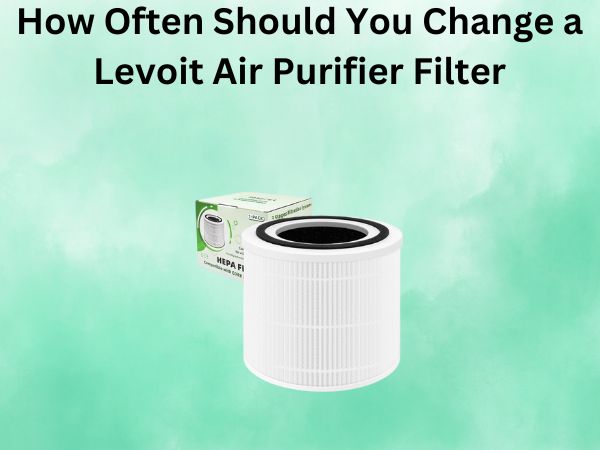
How Often Should You Change a Levoit Air Purifier Filter? A Complete Guide
So, you’ve got a new Levoit air purifier. One of the first things you’re probably thinking about is a crucial maintenance task: how often should you change the filter? This is a common question for new owners, and knowing the right answer is key to ensuring your device works optimally and lasts for years.
Think of your air purifier filter like the lungs of your home. Just as our lungs need to stay clean to function properly, your filter needs regular attention to keep that air fresh and breathable. Neglect it, and your air purifier becomes about as useful as a screen door on a submarine.
Let me walk you through everything you need to know about Levoit filter replacement schedules, maintenance tips, and how to maximize your investment.
Understanding Your Levoit Air Purifier Filter System
Before we dive into replacement schedules, it’s important to understand what you’re actually working with. Levoit air purifiers typically feature a multi-stage filtration system, and each stage plays a different role in cleaning your air.
The Different Filter Stages
Most Levoit models come equipped with three main filtration layers. The first stage is a pre-filter that catches larger particles like dust, pet hair, and lint. This is your system’s first line of defense, and it’s designed to be washable and reusable. Think of it as the gatekeeper that keeps the bigger intruders from reaching the sensitive inner filters.
The second stage is the HEPA filter, which is where the real magic happens. HEPA stands for High-Efficiency Particulate Air, and these filters can capture up to 99.97 percent of particles as small as 0.3 microns. We’re talking pollen, pet dander, dust mites, and other microscopic nasties that you can’t see but absolutely can feel in your allergies.
Finally, there’s the activated carbon filter in the third stage. This layer specializes in absorbing odors and volatile organic compounds. If you’ve got cooking smells, pet odors, or that stale indoor air feel, the activated carbon filter is working to tackle that problem.
How Often Should You Replace Your Levoit Filter?
The straightforward answer is that most Levoit HEPA filters need replacement every 6 to 8 months under normal usage conditions. However, this timeframe can shift quite a bit depending on several factors in your specific situation.
The Standard Replacement Timeline
Levoit generally recommends checking your filter status regularly, but the typical lifespan before you absolutely must replace the filter falls into that 6 to 8 month window. Some users who run their purifiers continuously might need replacements sooner, while others who use theirs intermittently might stretch it longer.
Here’s what you need to know: the manufacturer typically designs these filters with the assumption that you’re running your air purifier for about 8 to 12 hours per day. If you’re running it 24/7, you’ll burn through filters faster. If you use it just a few hours daily, you might get closer to the 8 month mark.
Factors That Affect Filter Lifespan
Several variables can dramatically impact how long your filter actually lasts. Understanding these factors helps you make smarter decisions about when to order replacements.
- Usage duration: How many hours per day you run your purifier directly affects filter saturation
- Air quality in your area: People in polluted urban environments will need more frequent replacements than those in cleaner areas
- Household composition: Homes with pets, smokers, or multiple people tend to load filters faster
- Room size versus purifier capacity: Using a small purifier in a large room forces it to work harder and filter more air
- Presence of specific pollutants: Cooking smoke, pet hair, and industrial pollution all accelerate filter degradation
- Maintenance habits: Regularly cleaning the pre-filter extends the life of your HEPA filter
Signs Your Levoit Filter Needs Replacement
Rather than just relying on the calendar, you should also pay attention to warning signs that your filter is getting tired and needs retirement.
Visual Inspection Indicators
Pop open your purifier and take a look at that HEPA filter. A fresh, clean filter appears bright white or off-white. As it accumulates particles, it gradually darkens to gray and eventually brownish tones. If your filter looks like it’s been to the coal mines, it’s definitely time for a replacement.
The pre-filter is even easier to assess. Just look at it directly. If it’s visibly caked with dust and debris, you’ll want to clean it if it’s washable, or replace it if your model has a disposable pre-filter.
Performance-Based Warning Signs
Beyond visual cues, you might notice that your air purifier isn’t performing as robustly as it used to. Perhaps the air quality improvement isn’t as noticeable, or the device seems to be working harder to maintain the same results. You might hear increased fan noise as the motor compensates for a clogged filter.
Some Levoit models include a filter replacement indicator light that turns on when it’s time for a swap. This is incredibly convenient because it takes the guesswork out of maintenance.
Odor Clues
Here’s something many people don’t expect: a saturated filter can actually start releasing odors. If your air purifier begins smelling stale or musty instead of producing that fresh, clean air smell, the activated carbon layer has likely reached its capacity and needs replacement.
Maintenance Tips to Extend Filter Life
You can actually stretch your filter lifespan beyond the baseline recommendations with some smart maintenance practices.
The Pre-Filter Cleaning Routine
This is the single most important maintenance step you can take. Since the pre-filter catches all those larger particles, keeping it clean means your HEPA filter doesn’t have to work as hard downstream.
Most Levoit pre-filters are washable, which is fantastic for your wallet. Every two weeks or so, remove the pre-filter and use a vacuum with a brush attachment to gently remove accumulated dust. For a deeper clean, you can rinse it under lukewarm running water. Just make sure it’s completely dry before reinserting it into your purifier. Never use hot water or harsh chemicals, as these can damage the filter material.
Strategic Placement Matters
Where you position your air purifier in your room significantly impacts how hard it needs to work. Place it away from walls, furniture, and other obstacles that block airflow. This ensures your purifier can draw in air efficiently without straining, which indirectly extends filter life.
Keep your purifier in the room where you spend the most time or where air quality issues are most noticeable. If you have a pet area that’s particularly dusty, that’s a good location. Avoid placing it in direct sunlight or near heating and cooling vents, as these environmental factors can affect performance.
Humidity and Environmental Control
Maintaining moderate humidity levels in your home helps your air purifier work more efficiently. Extremely dry air or high humidity both force the filter to work harder. Ideally, you want indoor humidity between 30 and 50 percent.
Different Levoit Models and Their Filter Schedules
Levoit makes several different air purifier models, and while the general principles remain the same, specific replacement schedules can vary slightly.
Levoit Core Series
The Core 300, Core 400, and Core P350 are among Levoit’s most popular models. These typically require filter replacement every 6 to 8 months under standard conditions. The Core series filters are relatively affordable, making regular replacement manageable for most budgets.
Levoit LV-PUR131S
This particular model uses a 3-stage filtration system and operates on a similar schedule. Users typically report needing replacements in the 6 to 8 month range, though homes with significant air quality challenges might need more frequent changes.
Levoit LV-H134 Smart WiFi
The smart-enabled models offer a slight advantage because they often include app notifications that alert you when filter replacement is needed. This removes the uncertainty and helps you maintain optimal performance.
Cost Considerations for Filter Replacements
Let’s talk money for a moment. Replacement filters for Levoit purifiers are reasonably priced compared to some competitors, typically ranging from $25 to $50 depending on the model.
Budgeting for Ongoing Costs
If you replace a filter every 8 months, that’s roughly 1.5 filters per year. At an average cost of $35 per filter, you’re looking at approximately $50 to $60 annually for filter maintenance. That’s a modest investment for consistently clean air.
Pro tip: buying filters in advance means you’ll always have a replacement ready when the current one gets tired. Some people buy two or three at once to lock in pricing and ensure they never run out.
Where to Purchase Replacement Filters
You can buy official Levoit replacement filters from the company’s website, Amazon, or authorized retailers. Always opt for genuine Levoit filters rather than third-party knockoffs. Genuine filters ensure optimal fit, performance, and safety for your device.
How to Replace Your Levoit Filter
The good news is that replacing your Levoit filter is straightforward and requires no technical skills whatsoever.
Step-by-Step Replacement Process
First, unplug your air purifier from the electrical outlet. Safety first, always. Next, locate the filter access panel on your unit. Most Levoit models have a removable back or side panel that you can open easily with your hands, no tools required.
Gently slide the old filter out of its slot. You’ll notice it’s probably quite dark and dusty at this point. Set it aside for disposal. Now, take your new filter and remove any protective plastic wrapping. Slide it into the designated slot, making sure it’s oriented correctly. The filter should fit snugly without requiring force.
Close the filter access panel securely, and plug your purifier back in. If your model has a reset button for the filter indicator light, press it now to reset the timer. You’re done! Fresh, clean filtration is ready to go.
Common Mistakes to Avoid
Don’t forget to remove the protective plastic wrapping from your new filter before installing it. I know this sounds obvious, but it happens more often than you’d think. The plastic prevents air from passing through and defeats the entire purpose.
Avoid touching the white HEPA filter material with your bare hands more than necessary. The oils from your skin can potentially compromise the filter’s effectiveness. If you do need to handle it, try to grip the plastic frame rather than the filter material itself.
Never attempt to wash your HEPA filter. Unlike the pre-filter, the HEPA filter is not designed to be reusable. Washing it will damage its structure and effectiveness. Only the pre-filter should be cleaned; the HEPA filter gets replaced.
Extending Filter Life Through Smart Usage
Beyond maintenance, how you use your air purifier influences filter longevity.
Optimizing Operating Patterns
You don’t necessarily need to run your purifier 24/7 to enjoy clean air. Many people run theirs during peak pollutant hours like early morning and evening, or when they’re using the kitchen for cooking. This intelligent scheduling reduces filter strain while still maintaining good air quality.
Using your purifier’s fan speed settings strategically also matters. Running on high continuously exhausts your filter faster than varying between medium and high speeds. Use high speed when you really need it, and dial back when conditions allow.
Reducing Pollutant Sources
The fewer pollutants your purifier has to filter, the longer your filters last. This might sound like common sense, but it’s worth emphasizing. Minimize dust by regular vacuuming and dusting. If you have pets, brush them outside to prevent excessive shedding indoors. Keep cooking odors and smoke to a minimum by using your kitchen exhaust fan.
Signs You’re Replacing Filters Too Frequently
If you find yourself replacing filters more often than the recommended 6 to 8 months, something might be off with your setup or expectations.
Potential Problem Areas
Using a purifier designed for small rooms to clean a large space will obviously lead to faster filter saturation. If this is your situation, consider upgrading to a more powerful model better suited to your square footage.
Similarly, if you’re in an unusually polluted environment due to nearby industrial activity, construction, or wildfire smoke, expect faster filter degradation. This isn’t abnormal; it’s just reality in your specific location.
Verify that you’re cleaning your pre-filter regularly. If you’re neglecting this step, the HEPA filter downstream has to work twice as hard and will wear out prematurely.
Conclusion
Replacing your Levoit air purifier filter typically means swapping it out every 6 to 8 months, though your specific timeline depends on usage patterns, air quality, and household conditions. The key to maximizing both filter lifespan and air purification effectiveness is staying consistent with maintenance—particularly cleaning that pre-filter regularly and monitoring your filter’s appearance.
Don’t ignore the warning signs. When your filter looks dark, your purifier sounds strained, or you notice decreased performance, it’s time for a replacement. Staying proactive with maintenance costs far less than dealing with poor air quality or a damaged purifier down the road.
By following these guidelines and staying attentive to your system’s needs, you’ll ensure that your Levoit air purifier continues delivering the fresh, clean air you deserve for years to come. Your lungs will thank you.
Frequently Asked Questions
Can I wash and reuse my Levoit HEPA filter instead of replacing it?
No, you should not wash your HEPA filter. HEPA filters are designed for single-use and washing them will destroy the delicate fiber structure that makes them effective. You can wash the pre-filter (the outer layer), but the inner HEPA and activated carbon filters must be replaced. Attempting to clean a HEPA filter will compromise its ability to capture microscopic particles and could leave you with a purifier that looks like it’s working but actually isn’t filtering properly.
What happens if I don’t replace my Levoit filter when it’s due?
Running your air purifier with an old, saturated filter is basically like trying to breathe through a pillow. The device continues operating, but it’s no longer effectively removing pollutants from your air. You’ll miss out on the health benefits you invested in the purifier for in the first place. Additionally, a clogged filter forces your purifier’s motor to work harder, consuming more electricity and potentially shortening the device’s overall lifespan. It’s a false economy to delay replacement.
How do I know which replacement filter is compatible with my specific Levoit model?
Check your original user manual or the model number on your purifier to identify the correct filter. You can also visit Levoit’s official website and use their product compatibility tool, which is quite helpful. When ordering, make sure the filter part number matches your model exactly. Buying from Levoit’s official channels or authorize