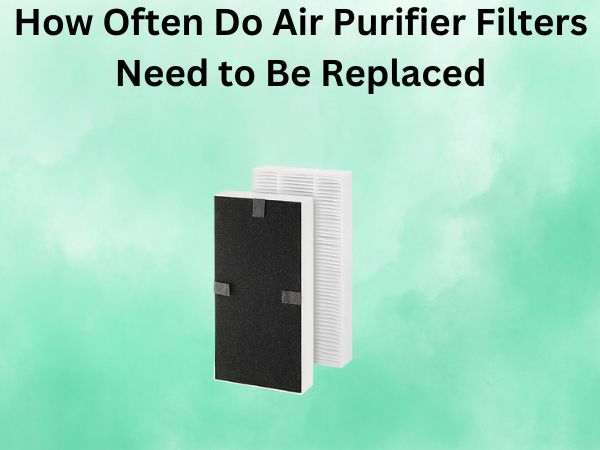
How Often Do Air Purifier Filters Need to Be Replaced? A Complete Guide
Ever noticed your air purifier isn’t quite as efficient as it used to be? Chances are, the problem lies with its internal air purifier’s filter—a dirty, exhausted component begging for a change. Imagine your air purifier’s filter as the respiratory system of your living space; when it’s clear, it functions perfectly, but once it’s blocked, its ability to clean the air dramatically diminishes.
In this comprehensive guide, I’m going to walk you through everything you need to know about air purifier filter replacement. Whether you’re a new air purifier owner or someone who’s been using one for years, understanding when and how to replace your filters can save you money, extend your device’s lifespan, and most importantly, keep your indoor air genuinely clean.
Understanding Your Air Purifier Filter System
Before we dive into the replacement timeline, let’s talk about what’s actually inside your air purifier. Most modern air purifiers use a multi-stage filtration system, kind of like a security checkpoint at an airport. Each stage has a specific job to do.
The Pre-Filter Layer
The pre-filter is your first line of defense. It’s designed to catch larger particles like dust, pet hair, and lint. Imagine it as a bouncer at the door, filtering out the big stuff before it reaches the more delicate filters inside. Pre-filters are often washable and reusable, which makes them cost-effective in the long run.
The HEPA Filter
Now, here’s where things get serious. The HEPA filter—which stands for High-Efficiency Particulate Air—is the real workhouse of your purifier. This filter can capture up to 99.97 percent of particles as small as 0.3 microns. That includes dust mites, pollen, pet dander, and even some bacteria. Unlike the pre-filter, HEPA filters aren’t washable, so they eventually need to be replaced.
The Activated Carbon Filter
If you’ve ever noticed that your air purifier removes odors, you have the activated carbon filter to thank. This filter absorbs gases, cooking smells, pet odors, and volatile organic compounds. It’s porous nature makes it incredibly effective at odor removal, but like the HEPA filter, it’s not reusable.
How Often Should You Really Replace Your Air Purifier Filters?
This is the question everyone asks, and honestly, there’s no one-size-fits-all answer. However, I can give you some solid guidelines based on real-world usage.
Pre-Filter Replacement Schedule
Your pre-filter typically needs cleaning every two to four weeks, depending on your environment. If you have pets, live in a dusty area, or run your purifier constantly, you might need to clean it more frequently. The good news? Most pre-filters are machine washable or can be vacuumed, so replacement isn’t always necessary. When they finally do need replacing, it’s usually every three to six months.
HEPA Filter Replacement Timeline
Here’s where you’ll want to pay close attention. HEPA filters typically last between six months to one year under normal usage conditions. However, several factors can shorten this lifespan significantly.
- If you run your purifier 24/7, expect to replace it every six to eight months
- If you use it for eight hours daily, you might get nine to twelve months of use
- In low-pollution environments with occasional use, HEPA filters can last up to two years
Activated Carbon Filter Replacement
Activated carbon filters are typically the first to saturate because they’re working hard to absorb odors and gases. In most cases, you should replace your activated carbon filter every four to six months. If you cook frequently, have multiple pets, or smoke indoors, you might need to replace it every two to three months.
Signs Your Filters Need Immediate Replacement
Rather than just marking your calendar, it’s smart to watch for these telltale signs that your filters are done for.
Visual Indicators You Shouldn’t Ignore
Take a look at your pre-filter. If it’s completely darkened with dust and debris, it’s time for a cleaning or replacement. For HEPA filters, a darkening color is the first sign. What started as white or light gray turns increasingly brown or black as it accumulates particles. Some purifiers have indicator lights—if yours turns red or flashes, that’s your device literally telling you to replace the filter.
Performance Decline
Notice that your allergies are acting up again even though you have the purifier running? Or maybe that pet smell is creeping back into your living room? These are classic signs that your filters have reached their capacity. A clogged filter simply can’t pull particles and odors from the air anymore.
Strange Noises
When filters get too clogged, your air purifier has to work harder to push air through them. This increased strain can cause the device to make unusual noises—louder humming, rattling, or wheezing sounds. It’s like your purifier is gasping for air itself!
Unusual Odors
If your air purifier starts smelling musty or unpleasant, it’s often because the activated carbon filter has become saturated and is actually releasing odors rather than absorbing them. This is a clear signal that replacement is overdue.
Factors That Affect How Often You Replace Filters
Now, let’s discuss the variables that make your filter replacement schedule unique to your situation.
Air Quality in Your Environment
If you live in an area with high pollution, near a highway, or in a city with poor air quality, your filters will get clogged much faster than someone living in a rural area with pristine air. The worse your starting air quality, the harder your filters work.
Pet Ownership
Pet owners, I’m speaking directly to you. If you have one or more dogs or cats in your home, your air purifier filter replacement schedule just got accelerated. Pet dander is one of the most abundant pollutants in homes with animals, and it clogs filters quickly. You might need to replace your HEPA filter every three to six months instead of the typical six to twelve months.
Usage Patterns
How often you run your air purifier makes a massive difference. Someone who runs their purifier eight hours a day will see different results than someone running it 24/7. If you’re only using it during allergy season or in one specific room, your filters will last longer.
Humidity Levels
High humidity doesn’t directly damage HEPA filters, but it can create conditions where mold and bacteria grow more readily. If you live in a humid climate, you might want to replace your filters slightly more often and consider using your purifier with a dehumidifier.
Indoor Activities
Do you cook a lot? Are you a smoker? Do you have a workshop or hobby room with sawdust or craft materials? These activities generate particles and odors that accelerate filter saturation. Heavy cooking or smoking can cut your filter lifespan in half.
How to Monitor Your Filter’s Health
You don’t have to guess when your filters need replacing. Here are practical ways to stay on top of maintenance.
Check Your Manufacturer’s Recommendations
Your air purifier’s manual isn’t just decorative—it contains valuable information about filter replacement schedules specific to your model. Different brands and models have different airflow rates and filter capacities, so what works for your friend’s purifier might not apply to yours.
Use the Visual Inspection Method
Once a month, open up your air purifier and take a look at the filters. Compare them to how they looked when you first installed them. This hands-on approach gives you real data about filter deterioration in your specific environment.
Keep a Maintenance Log
This might sound old-fashioned, but tracking when you replace filters helps you identify patterns. Write down the date you replaced each filter and note your observations about air quality and filter condition. After a few cycles, you’ll have a clear picture of your replacement schedule.
Trust the Indicator Lights
Many modern purifiers have smart filter indicators that track usage hours and filter saturation. If your purifier has this feature, pay attention to it. These systems often use sensors to measure airflow and can predict when replacement is needed.
The Cost of Regular Filter Replacement
Let’s be honest—replacing filters costs money. But think about it as an investment in your health and your purifier’s longevity.
Typical Filter Replacement Costs
HEPA filter replacements typically range from $40 to $100 depending on the brand and model. Activated carbon filters are usually cheaper, running $20 to $60. Pre-filters, being washable in many cases, might cost $15 to $30 when replacement is needed. Yes, it adds up, but compare that to medical bills from respiratory issues or buying a new purifier because you neglected maintenance.
Budget-Friendly Replacement Options
You don’t always need to buy official brand filters. Third-party compatible filters can cost significantly less while maintaining quality. Just make sure they’re certified and compatible with your specific model. Buying filters in bulk during sales or from online retailers can also help you save money in the long run.
How to Replace Your Air Purifier Filters
The actual replacement process is straightforward, but doing it correctly ensures optimal performance.
Step-by-Step Replacement Guide
First, unplug your air purifier from the electrical outlet. Safety first! Next, locate the filter compartment—it’s usually on the side, back, or bottom of the unit. Open it carefully, noting how the old filter is positioned. Remove the old filter and set it aside. Before installing the new filter, check if there are any protective plastic covers or seals. Remove these before inserting the new filter. Slide the new filter in, making sure it fits snugly without forcing it. Close the compartment securely, and plug your purifier back in. If your purifier has a replaceable filter indicator, reset it according to the manufacturer’s instructions.
Common Mistakes to Avoid
Don’t install a filter backwards—it won’t work effectively and can damage your purifier. Don’t forget to remove plastic protective seals before using. Don’t force filters into place if they don’t fit smoothly; you might have the wrong replacement. And don’t assume all filters are the same size and shape; always verify compatibility before purchasing.
Extending Your Filter’s Lifespan
While you can’t avoid replacing filters forever, you can take steps to make them last longer.
Preventative Maintenance Tips
- Clean your pre-filter regularly to prevent large particles from reaching the HEPA filter
- Keep windows and doors closed when outdoor air quality is poor
- Vacuum your home regularly to reduce dust circulation
- Use a dehumidifier if you live in a humid climate
- Avoid smoking indoors, as smoke damages filters rapidly
- Keep pets groomed regularly to minimize shedding
These simple steps can extend your filter life by several months in some cases.
Smart Purifier Features That Help With Maintenance
Modern air purifiers come with features that make filter management easier than ever.
Automatic Filter Indicators
Smart purifiers track operating hours and filter saturation levels, alerting you when replacement is needed. Some even connect to smartphone apps that send notifications directly to your phone.
Energy Efficiency Modes
Using lower fan speeds when possible reduces the strain on filters, extending their lifespan. Eco modes can help you balance air quality with filter longevity.
Environmental Considerations
Here’s something many people don’t think about: what happens to those old filters?
Old air purifier filters contain collected pollutants and aren’t biodegradable, so they belong in the trash, not the recycling bin. However, some manufacturers have recycling programs. Check with your brand to see if they accept used filters for proper disposal. Being environmentally conscious about filter replacement is another reason to make them last as long as possible through proper maintenance.
Seasonal Considerations for Filter Replacement
Different seasons place different demands on your air purifier.
Spring and Summer
Pollen season is rough on filters. If you’re running your purifier constantly to manage pollen allergies, expect to replace your HEPA filter more frequently during these months.
Fall and Winter
Winter brings heating systems that dry out indoor air and circulate dust. Plus, holiday cooking can accelerate activated carbon filter saturation. Plan for slightly faster filter replacement during these months.
Conclusion
So, how often do air purifier filters need to be replaced? The honest answer is that it depends on your specific situation, but most people should plan on replacing their HEPA filters every six to twelve months and their activated carbon filters every four to six months. Your pre-filters can often be cleaned and reused for longer periods before needing actual replacement.
The key is staying vigilant. Check your filters regularly, watch for performance decline, and trust your purifier’s indicator lights if it has them. Remember that replacing filters might seem like an inconvenience and an expense, but it’s far cheaper than dealing with respiratory issues or buying a new purifier when your current one stops working because of neglected maintenance.
Your air purifier is an investment in your health and well-being. Treat it right, replace filters on schedule, and you’ll breathe easier knowing your home’s air is genuinely clean and healthy. After all, we spend so much time indoors—shouldn’t we make sure the air we’re breathing is as pure as possible?
Frequently Asked Questions
Can I clean and reuse HEPA filters instead of replacing them?
Unfortunately, no. HEPA filters are designed to trap particles deep within their fibers, and once saturated, they can’t be effectively cleaned. Attempting to wash or vacuum a HEPA filter can damage the filter material and reduce its effectiveness. Pre-filters, on the other hand, are designed to be washable and reusable. Always follow your manufacturer’s guidance about which filters can be cleaned and which must be replaced.
What happens if I don’t replace my air purifier filters?
A clogged filter can’t effectively remove particles and odors from your air, so you’re essentially paying for a device that doesn’t work. Additionally, your purifier has to work much harder to push air through a congested filter, which consumes more electricity and puts strain on the motor. This can ultimately shorten your purifier’s lifespan and lead to costly repairs or replacement. Plus, mold and bacteria can grow in a saturated filter, actually making your indoor air worse.
Are expensive brand-name filters worth it, or can I use cheaper alternatives?
Quality third-party filters can work just as well as brand-name filters at a fraction of the cost. However, make absolutely sure they’re compatible with your specific model and that they’re from rep