How Often Do You Replace a Dyson Air Purifier Filter: The Complete Guide
Take a moment to consider the air you’re breathing indoors. We often overlook what’s in it until visible dust appears or our allergies flare up. This is precisely where air purifiers, like those from the renowned brand Dyson, play a crucial role. However, simply owning a Dyson air purifier isn’t enough; its true effectiveness hinges on proper upkeep. A key part of this maintenance, and what we’ll explore, is understanding when and how to replace its filters.
I’ve been researching and testing air purifiers for years, and I can tell you that one of the most common questions people ask me is: “How often should I actually replace my Dyson air purifier filter?” It sounds simple, but the answer is more nuanced than you might think. Let me walk you through everything you need to know.
Understanding Your Dyson Air Purifier Filter System
Before we dive into replacement schedules, it’s important to understand what we’re actually looking at here. A Dyson air purifier isn’t just a simple machine with one filter sitting inside. No, it’s more sophisticated than that. Think of it like a multi-layered security system for your home’s air quality, each layer playing a crucial role in trapping different types of pollutants.
The Different Layers of Dyson Filters
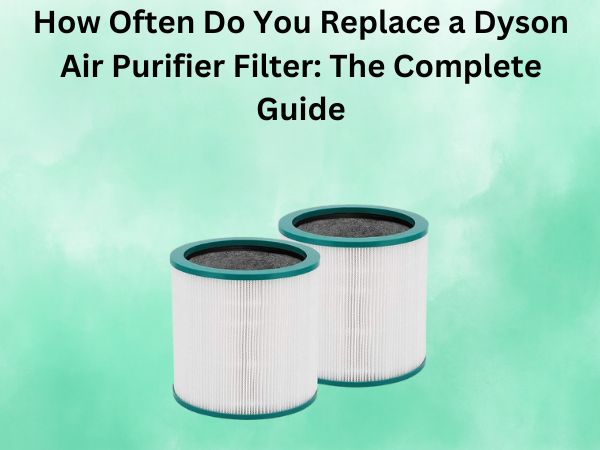
Your Dyson air purifier typically features a combination of different filtration technologies working together. The pre-filter is your first line of defense, capturing larger particles like hair, dust, and pet dander. Then you’ve got the HEPA filter, which is the real workhorse, catching microscopic particles that you can’t even see. Finally, there’s often an activated carbon filter designed to neutralize odors and volatile organic compounds.
This layered approach is brilliant because it extends the life of your more expensive filters while ensuring comprehensive air purification. But it also means you need to stay on top of maintenance to keep everything functioning at peak performance.
Standard Replacement Timeline for Dyson Air Purifier Filters
So, how often should you actually replace these filters? The straightforward answer is that most Dyson air purifier filters need replacement every 6 to 12 months under normal household conditions. But let me be honest with you—this isn’t a one-size-fits-all situation.
The 6-Month Rule: When You Should Consider Earlier Replacement
If you’re living in an urban area with high pollution levels, have multiple pets, suffer from allergies, or smoke indoors, you might need to replace your filters every 6 months or even sooner. I’ve known people who live near highways or in cities with poor air quality who find themselves changing filters every four to five months. It’s not ideal for your wallet, but your respiratory health is worth it.
Think about it this way: if your air is particularly dirty, your filters are working overtime. Just like a hardworking employee needs more breaks, a heavily-used filter loses its effectiveness faster.
The 12-Month Standard: For Most Households
For the average household in a suburban or rural area with moderate air quality, a yearly replacement schedule works well. Many Dyson models are actually designed with this timeline in mind. The company has engineered their filters to handle a full year of regular use and maintain good performance throughout.
However—and this is important—you shouldn’t just set a calendar reminder and forget about it. You need to actively monitor your filter’s condition throughout the year.
Signs That Your Dyson Filter Needs Replacement
Rather than relying solely on time-based replacement, pay attention to these warning signs that your filter might be crying out for help:
- Reduced airflow: If you notice your air purifier isn’t pushing air out as forcefully as it used to, that’s a red flag. A clogged filter restricts airflow, and your machine has to work harder to do the same job.
- Unusual noises: A healthy air purifier should be relatively quiet. If yours is suddenly sounding like it’s struggling or making rattling sounds, the filter might be the culprit.
- Visible dirt on the filter: When you look at the filter itself, can you see a thick layer of dust and debris? That’s a visual confirmation that it’s time for a change.
- Musty or stale odors: If your air purifier stops neutralizing odors effectively, the activated carbon layer is likely exhausted.
- Dashboard warning lights: Many modern Dyson models have sensors that detect filter saturation. If your machine is telling you the filter needs replacement, listen to it.
- Allergies getting worse: If you or family members are experiencing increased allergy symptoms despite running the purifier, it might not be working effectively anymore.
Dyson’s Built-In Filter Monitoring System
Here’s something I really appreciate about Dyson products: they’ve made it easier to know when to change filters by incorporating smart technology. Many newer Dyson air purifiers have built-in sensors that track filter usage and alert you when replacement is needed.
How the Notification System Works
When you turn on your Dyson air purifier, the machine counts the hours it’s been running. Based on this usage data and the filter type, it calculates when replacement is due. Some models will display this information on a small screen, while others might use a simple light indicator—green for good, red for replace.
This is genuinely helpful, but I want to caution you: these sensors are calibrated for average conditions. If you’re living in unusually dusty or polluted conditions, you might need to replace your filter before the sensor tells you to. Conversely, if you live in an exceptionally clean environment with low pollution, you might be able to stretch it longer than the notification suggests.
Manual Filter Reset After Replacement
Once you’ve installed a new filter, don’t forget to reset the filter counter. You usually do this by pressing a button on the machine or through the accompanying app. Failing to reset means your next replacement reminder will come prematurely, which is annoying but not the end of the world.
Factors That Affect Filter Replacement Frequency
The reason there’s such a wide range in replacement schedules is that several environmental and usage factors play a role. Let me break down the biggest ones:
Air Quality in Your Location
Are you in a metropolitan area with heavy traffic? Near an industrial zone? Or nestled in a rural area with clean countryside air? Your geographical location significantly impacts how quickly your filters get saturated. Air quality indices, which many weather apps now display, can give you a sense of what you’re dealing with. If your area consistently shows “unhealthy” or “very unhealthy” ratings, expect to change filters more frequently.
Household Composition
Do you have pets? How many people live in your home? Pets shed fur and dander constantly, which clogs filters quickly. A household of four people with two dogs and a cat will definitely need more frequent filter changes than a single person living alone. This is just the nature of how much biological material circulates through the air in a busy household.
Usage Patterns
If you run your air purifier 24/7, your filters are working overtime compared to someone who only runs theirs for a few hours daily. Some people run their machines constantly for allergy management, while others use them seasonally. Your usage pattern directly correlates with filter longevity. A heavily-used machine might need filters replaced twice yearly, while a lightly-used one could go 18 months between replacements.
Indoor Activities and Habits
Do you cook frequently with oil or heat? Do you burn candles? Do you smoke or allow smoking in your home? These activities generate particles and compounds that overwork your filters. I once helped a friend who baked bread almost daily realize that her kitchen activities were clogging her filter much faster than normal. If you engage in activities that create a lot of airborne particles, plan on more frequent replacements.
Different Dyson Models and Their Filter Specifications
It’s worth noting that different Dyson air purifier models might have slightly different recommendations. Dyson makes several lines, including the Pure Cool, Pure Hot+Cool, and the newer models with more advanced filtration.
Pure Cool Series
The Pure Cool line typically features a glass HEPA filter with an activated carbon layer. These models generally recommend filter replacement every 12 months with normal use. However, Dyson notes that you might need to replace them more frequently if you have allergies or live in a polluted area.
Pure Hot+Cool Series
These models function as both air purifiers and heaters, which means they work year-round in most climates. Because of this heavy usage, you might actually need filters replaced slightly more often—potentially every 9 to 12 months depending on your heating season.
Latest Generation Models
Dyson’s newer air purifiers have incorporated improved filter technology and better sensor systems. Some of the latest models claim to offer longer filter life, potentially stretching to 12 months even in moderate-to-challenging conditions. When you purchase a new model, always check the specific documentation for that particular unit.
Cost Considerations for Filter Replacement
Let’s talk about money for a moment, because replacement filters aren’t exactly cheap. A genuine Dyson replacement filter typically costs between $40 and $70, depending on the model and where you purchase it. Over the lifetime of ownership, filter costs add up.
Is It Worth Buying Genuine Dyson Filters?
I always recommend purchasing genuine Dyson filters rather than cheaper third-party alternatives. Here’s why: Dyson filters are engineered to match the specifications of your specific model. Generic filters might fit physically, but they don’t seal properly, don’t filter as effectively, and can potentially damage your machine. When you think about paying $300-$400 for a Dyson air purifier, spending an extra $20-30 on a genuine filter is a no-brainer investment in the longevity of your equipment.
Where to Buy Replacement Filters
You can purchase filters directly from Dyson’s website, through Amazon, at major retailers like Best Buy, or through third-party sellers. Buying directly from Dyson often means you’re guaranteed authenticity, though sometimes other retailers run promotions. Whatever you do, verify you’re purchasing the correct filter model for your specific air purifier.
Maintenance Tips to Extend Filter Life
While you can’t avoid eventually replacing filters, you can take steps to maximize their lifespan. Think of these as preventative measures that reduce the burden on your filtration system:
- Clean your pre-filter regularly: Many Dyson models have a removable pre-filter that you can clean with water or a vacuum. Cleaning this every month or two prevents larger particles from reaching the main filter.
- Position your air purifier strategically: Place it away from walls and in a central location where air can circulate freely. This ensures it’s working efficiently rather than struggling against poor placement.
- Reduce indoor pollutants: Open windows when weather permits, use exhaust fans while cooking, and minimize activities that create excessive dust or particles.
- Maintain consistent humidity: Very dry air can actually increase particle suspension. Using a humidifier during dry months can help reduce the load on your air purifier.
- Keep your home clean: Regular vacuuming and dusting reduce the amount of particles your air purifier has to deal with in the first place.
- Don’t block air intake vents: Make sure nothing is obstructing your air purifier’s intake. A blocked intake forces the machine to work harder and can shorten filter life.
Understanding Filter Degradation Over Time
Here’s something important to understand: filters don’t suddenly stop working. They degrade gradually. Even if your Dyson doesn’t alert you that replacement is needed, the filter is slowly losing its effectiveness as it accumulates particles.
The Performance Decline Curve
A new filter works at 100% efficiency. As weeks and months pass, it might maintain 90-95% efficiency, then 80-85%, and so on. By month 12, a heavily-used filter might only be operating at 60-70% of its original capacity. This is why sticking to the recommended replacement schedule is important—not because the filter suddenly fails, but because you want to maintain consistent air quality.
What Happens If You Don’t Replace Your Filter on Schedule
I understand the temptation to stretch out filter life to save money, but there are real consequences to ignoring replacement schedules:
- Reduced air purification: Your air purifier won’t be cleaning the air as effectively, defeating its purpose.
- Increased energy consumption: A clogged filter forces your machine to work harder, using more electricity.
- Potential damage to the machine: Overworking your air purifier can strain the motor and other components, potentially causing failures.
- Unpleasant odors: An exhausted activated carbon filter can’t neutralize odors anymore, leaving your home smelling stale.
- Health impacts: If you’re using the air purifier for allergy or asthma management, an ineffective filter means those health issues flare up.
Seasonal Considerations for Filter Replacement
Some seasons are harder on your air purifier than others. Spring and summer bring pollen and outdoor pollution, fall brings leaf debris that can get indoors, and winter heating dries out the air while we seal our homes shut, trapping more particles inside.
Planning Around Seasonal Peaks
If you suffer from seasonal allergies, you might want to replace your filter right before allergy season hits. This ensures you’re starting with maximum filtration capacity during your most vulnerable months. Similarly, if you heat your home heavily in winter, you might schedule a replacement in early fall to handle the increased usage that’s coming.
Conclusion
So, how often should you replace your Dyson air purifier filter? The honest answer is: it depends on your specific situation, but 6 to 12 months is the general guideline for most households. Start with the manufacturer’s recommendations and the built-in sensor alerts if your model has them, but pay attention to the performance signs as well. If you notice reduced airflow, unusual noises, or decreased effectiveness, don’t hesitate to replace the filter sooner.
Remember that investing in regular filter maintenance is an investment in your health and the longevity of your equipment. A Dyson air purifier is a quality machine, and treating it with proper maintenance means it’ll serve you well for years to come. Keep track of when you last replaced your filter, monitor its condition regularly, and don’t be cheap about purchasing genuine replacements. Your lungs will thank you for it.
Frequently Asked Questions
Can I clean my Dyson HEPA filter instead of replacing it?
You shouldn’t attempt to wash the main HEPA filter, as water can damage the delicate fibers and compromise its ability to trap particles. However, most Dyson models have a removable pre-filter that you can gently clean with water or vacuum to extend the life of the main filter. Always refer to your specific model’s instructions before attempting any cleaning.
What does the red light on my Dyson air purifier mean?
A red light typically indicates that your filter has reached the end of its life and needs replacement. Some models use different colored lights