How Often Should You Change Your Shark Vacuum Filter
You should change your Shark vacuum filter about every 3-6 months. This general guideline ensures your vacuum keeps running efficiently. A clean filter dramatically improves suction power and air quality. Ignoring it can lead to frustrating performance issues.
The exact timing can vary based on your specific Shark model and how often you vacuum. Heavy use with pets or allergies might mean more frequent changes. Regular cleaning, not just replacement, also extends filter life. We found that neglecting filters is a common mistake.
- Change Shark vacuum filters every 3-6 months.
- More frequent changes may be needed for heavy use.
- Clean filters boost suction and air quality.
- Check your manual for model-specific advice.
- A clogged filter hurts vacuum performance.
Let’s dive into the details of when and how to best care for your Shark vacuum’s filter so you can keep enjoying a clean home.
You’ve got a Shark vacuum, and it’s working hard to keep your floors looking spick-and-span. But are you giving its filter the TLC it deserves? This unsung hero works tirelessly to trap dust, dander, and debris. Keeping it clean or replacing it when needed is one of the simplest ways to ensure your vacuum performs at its best.
When to Refresh Your Shark Vacuum’s Filter
So, how often should you be thinking about changing your Shark vacuum filter? The general rule of thumb we found is to aim for a filter refresh **every 3 to 6 months**. Think of it like changing the oil in your car – it’s essential maintenance.
This timeframe isn’t set in stone, though. Several factors can influence how often you’ll need to swap out that filter. We found that paying attention to your vacuum’s performance is key. If you notice a drop in suction power, that’s a strong signal your filter might be crying for attention.
Understanding Your Specific Shark Model
Shark offers a wide range of vacuum models. Each one might have slightly different filter recommendations. Your vacuum’s user manual is your best friend here. It will provide the most accurate information for your specific Shark machine.
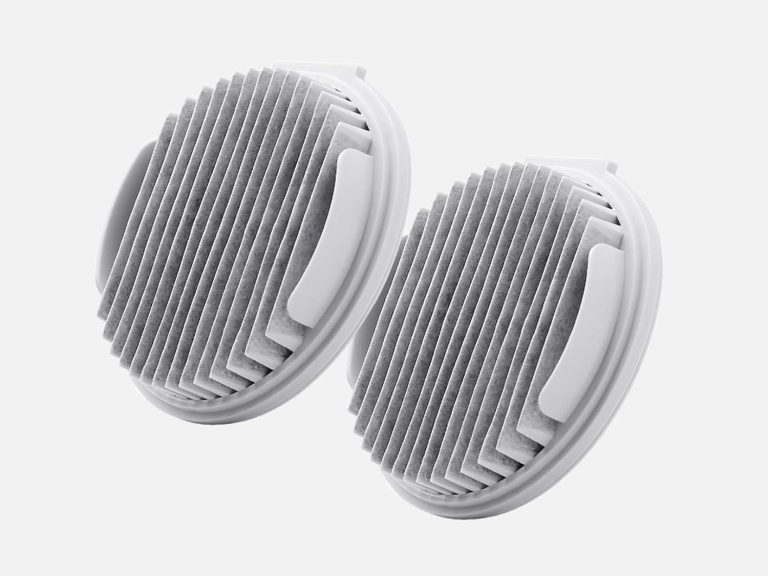
We found that Shark often uses washable filters in many of its models. This is great news for your wallet and the environment! If your filter is washable, it won’t need outright replacement as frequently. But it will still need regular cleaning. More on that in a bit.
Factors That Affect Filter Lifespan
Let’s break down what might push you towards the more frequent end of that 3-6 month spectrum. Your home environment plays a big role.
Pets and Allergies
Do you share your home with furry friends? Pets shed a lot, and their dander can clog filters quickly. If you have shedding dogs or cats, we found that changing your filter every 2-3 months might be more appropriate.
Similarly, if anyone in your household suffers from allergies or asthma, a clean filter is even more important. A clogged filter won’t capture allergens effectively. This can lead to them recirculating back into your air. For allergy sufferers, we recommend checking the filter monthly and cleaning or replacing it as needed. Many health organizations, like the CDC, stress the importance of good indoor air quality.
Usage Frequency
How often do you actually run your vacuum? If you’re a daily cleaner, especially in high-traffic areas, your filter is working overtime. A vacuum used daily will likely need its filter changed sooner than one used weekly.
We found that households with very active cleaning routines, perhaps with kids and pets, often benefit from checking their filters more often. Don’t wait for performance to dip. If you vacuum every day, consider inspecting your filter monthly.
The Type of Messes You Tackle
Are you vacuuming fine dust from a DIY project? Or perhaps dealing with lots of sand tracked in from the beach? These types of fine particles are harder on filters. They can penetrate deeper and clog the pores more easily.
If you frequently tackle particularly dusty or fine-particle messes, your filter will likely reach its capacity faster. We found that being mindful of what you’re vacuuming can help you gauge filter health.
Cleaning vs. Replacing Your Shark Vacuum Filter
It’s important to know whether your Shark vacuum uses washable filters or if they are designed for replacement only. Most modern Shark vacuums come with at least one washable filter.
How to Clean Washable Filters
Cleaning your Shark vacuum filter is a straightforward process. First, remove the filter according to your manual’s instructions. Usually, this involves a simple twist or pull.
Once removed, tap the filter gently against a trash can to dislodge loose debris. Then, rinse it under **cold running water**. Do NOT use soap or detergent. We found that hot water can sometimes damage the filter material.
After rinsing, give the filter a gentle squeeze to remove excess water. Then, let it air dry completely. This is super important! Never put a damp filter back into your vacuum. It can lead to mold growth and damage the motor. We found that allowing at least 24-48 hours for complete drying is usually sufficient.
When Replacement is Necessary
Even washable filters have a lifespan. If your filter appears damaged, torn, or misshapen after cleaning, it’s time for a new one. Also, if you’ve cleaned it multiple times and notice a persistent odor or a significant drop in suction, it’s probably time for a replacement.
Some Shark models might use HEPA filters or other specialized filters that are not washable. Always refer to your manual to confirm. If your filter is not designed to be washed, you’ll need to replace it when it becomes visibly dirty or performance declines. Many experts recommend replacing non-washable filters every 6-12 months, depending on usage.
Signs Your Filter Needs Immediate Attention
Your vacuum will often give you clues when its filter is struggling. Being attuned to these signs can save you a lot of frustration and potential damage to your machine.
- Reduced Suction Power: This is the most common sign. If your vacuum is no longer picking up dirt like it used to, a clogged filter is often the culprit.
- Unusual Noises: A struggling motor due to restricted airflow can sometimes produce new, strange sounds.
- Overheating: When air can’t flow freely through the vacuum, the motor can overheat. If your Shark feels unusually hot during use, check the filter.
- Dust Emitting from the Vacuum: If you see dust blowing back out of your vacuum, it means the filter is completely overloaded and can no longer trap particles.
- Unpleasant Odors: Trapped dirt and debris can start to smell. If your vacuum emits a musty or foul odor, a dirty filter is likely to blame.
A Quick Filter Maintenance Checklist
To keep your Shark vacuum running smoothly, follow this simple checklist:
- Check your user manual for your model’s specific filter type and cleaning instructions.
- Inspect your filter at least once a month, especially if you have pets or allergies.
- Tap and rinse washable filters under cold water monthly or bi-monthly.
- Allow filters to air dry completely (24-48 hours) before reinserting.
- Replace filters every 3-6 months, or sooner if damaged or performance degrades.
- Consider purchasing a spare filter so you always have a clean one ready.
Conclusion
Taking care of your Shark vacuum’s filter is a simple yet powerful way to keep it performing its best. You’ve learned that a general guideline of every 3-6 months for changing your filter is a good starting point. However, factors like pets, allergies, and how often you vacuum mean you might need to clean or replace it more frequently. Pay attention to your vacuum’s performance – reduced suction or unusual smells are clear signs it’s time for a filter refresh. Your next step is to check your specific Shark manual for its recommendations and establish a regular filter inspection routine. Your home and your vacuum will thank you for it!
Frequently Asked Questions
How do I know if my Shark vacuum filter needs cleaning or replacing?
The most common sign is a noticeable drop in your vacuum’s suction power. If it’s not picking up dirt like it used to, your filter is likely clogged. You might also notice unusual odors coming from the vacuum or see dust being blown back out.
Can I use soap and water to clean my Shark vacuum filter?
No, you should not use soap or detergent. Rinse your washable Shark vacuum filter under cold running water only. Hot water can also potentially damage the filter material. Always ensure the filter is completely dry before putting it back.
What happens if I don’t change my Shark vacuum filter often enough?
An old, clogged filter drastically reduces suction power, making your vacuum less effective. It can also cause the vacuum motor to overheat due to restricted airflow, potentially shortening its lifespan. You might also notice dust and allergens being recirculated into your air.
Are all Shark vacuum filters washable?
Not all of them are. Many newer Shark models come with washable filters, which is convenient and cost-effective. However, some Shark vacuums, particularly those with HEPA filters, may use filters designed for replacement only. Always check your user manual to confirm your specific model’s filter type.
How long does a washable Shark vacuum filter typically last?
While washable filters can be cleaned, they don’t last forever. Even with regular cleaning, they can become worn out or damaged over time. We found that after multiple cleanings, or if the filter looks torn or misshapen, it’s time for a replacement, even if it’s washable.