How Often Should You Vacuum Your House for a Cleaner Home
You’re probably wondering how often you should vacuum your house. The general recommendation is to vacuum high-traffic areas at least once a week. For less-used rooms, once every two weeks might be enough. This helps keep your home looking and feeling its best.
Maintaining clean floors involves more than just a quick sweep. Frequent vacuuming removes dust, allergens, and pet dander. This can make a big difference for allergy sufferers. It also prevents dirt from getting ground into your carpets and damaging them over time, helping them last longer.
- Vacuum high-traffic areas weekly.
- Consider vacuuming less-used rooms bi-weekly.
- Pet owners might need to vacuum more often.
- Consider seasonal changes and allergies.
- Listen to your floors; dirt shows!
Let’s dive deeper into what influences your vacuuming schedule and how to get the best results.
Your Vacuuming Frequency: Finding the Right Rhythm
So, how often do you really need to pull out that vacuum cleaner? The ideal frequency depends on several factors. It’s not a one-size-fits-all answer. We’ve found that most households benefit from a weekly vacuum. This keeps things tidy. It also prevents deep-seated dirt. Let’s break down what makes your schedule unique.
Assessing Your Home’s Traffic
Think about the areas in your home that get the most foot traffic. These are typically hallways, main living areas, and entryways. Dirt and debris are tracked into these spots constantly. Therefore, these areas usually need vacuuming at least **once a week**. Consider using your vacuum every few days if you have very heavy foot traffic. This is especially true if you have kids or pets.
High-Traffic Zones Explained
Your living room is probably a hotspot. So is the path from your front door to your kitchen. These zones collect the most grit. Vacuuming them regularly means less wear and tear. It also means less dust flying around. For these busy areas, a weekly sweep is your best bet. Some people even do a quick vacuum every 3-4 days in these zones. This helps keep allergens under control.
Low-Traffic Areas: A Different Approach
What about rooms that don’t see much action? Think of guest bedrooms or formal dining rooms. These areas don’t accumulate dirt as quickly. You might be able to get away with vacuuming them every **two weeks**. Even less, if they are truly seldom used. However, dust still settles everywhere. A bi-weekly vacuum is a good way to ensure they stay clean. This prevents dust buildup over time. It keeps your air quality better.
The Pet Factor: More Fur, More Fun (and More Vacuuming)
Ah, pets. We love them, but they do bring extra cleaning tasks. If you share your home with furry friends, you’ll likely need to vacuum more often. Pet hair is a common culprit. It gets everywhere. Plus, pets can track in dirt and dander. Many experts recommend vacuuming at least **twice a week** if you have pets. Some pet owners find daily vacuuming is necessary in certain areas. This is especially true for shedding breeds. It helps manage allergens. It keeps your home smelling fresh too.
Dealing with Pet Hair and Dander
Pet hair clings to carpets and upholstery. It doesn’t just sit on the surface. It works its way deep into fibers. This is why frequent vacuuming is key. You’ll want to use a vacuum with strong suction. A good brush roll is also important. This helps lift the hair. Pet dander is a common allergen. Regular vacuuming removes it. This can make a big difference for allergy sufferers. The American College of Allergy, Asthma & Immunology suggests frequent cleaning to reduce allergens.
Seasonal Changes and Allergy Considerations
The changing seasons can impact your vacuuming needs. Spring often brings more pollen. Fall brings leaves and outdoor debris. Winter can mean tracked-in salt and mud. All of these can end up on your floors. You might find yourself vacuuming more during these times. If you or someone in your household suffers from allergies, more frequent vacuuming is beneficial year-round. This helps control dust mites and other allergens. The Environmental Protection Agency (EPA) recommends regular cleaning to improve indoor air quality.
Allergy Season Demands Extra Care
During peak allergy seasons, your vacuum is a powerful tool. It helps capture airborne irritants before they circulate. Think of it as an air filter for your floors. For allergy sufferers, aiming for 2-3 times a week in main living areas can be very helpful. Using a vacuum with a HEPA filter is also highly recommended. This ensures fine particles are trapped. It prevents them from being blown back into the air.
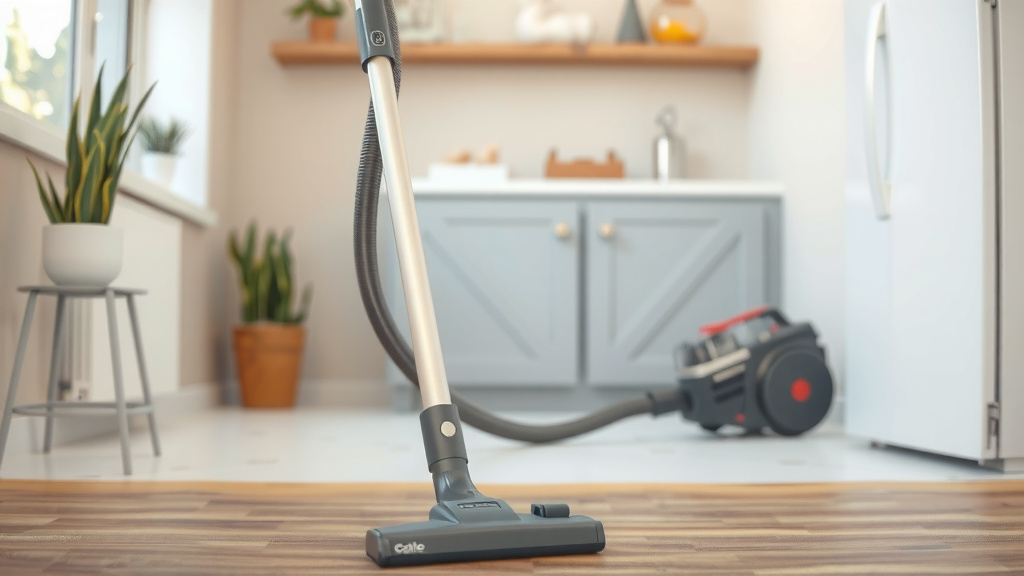
Carpet vs. Hardwood: Different Surfaces, Different Needs
The type of flooring you have also plays a role. Carpets trap dirt and dust more effectively than hard surfaces. They require more frequent vacuuming to keep them clean. Hardwood floors, tile, and laminate are easier to clean. You can often sweep or dust mop them. However, they still need vacuuming. Grit can scratch these surfaces over time. Vacuuming hard floors once a week is generally sufficient. You’ll want to use the right vacuum setting. Many vacuums have a setting for hard floors.
Vacuuming Your Carpets
Carpets are like sponges for dirt. Small particles get embedded deep within the fibers. This is why you need to vacuum them regularly. Once a week is a good starting point for most carpets. If you have high-traffic carpets or pets, you might need to vacuum them 2-3 times a week. This prevents dirt from becoming a permanent resident. It also helps extend the life of your carpet. Worn-out carpet can look dingy quickly.
Maintaining Hardwood and Tile Floors
Hardwood and tile floors are more forgiving. You can often get away with less frequent vacuuming. A weekly vacuuming session is usually enough. However, always use a vacuum attachment designed for hard floors. This prevents scratching. You can also use a broom or dust mop between vacuuming sessions. This will pick up surface dust. It will help keep your floors looking their best.
The Dirt Tells a Story: Listen to Your Floors!
Ultimately, the best way to know when to vacuum is to look at your floors. Do you see visible dirt? Is there a layer of dust? Can you see footprints in the carpet pile? These are all signs it’s time to vacuum. Don’t wait for your floors to look truly messy. Regular maintenance is easier. It’s more effective than tackling a huge cleaning job later. Think of it as preventative care for your home.
A Quick Checklist for Your Vacuuming Schedule:
- Vacuum high-traffic floor areas weekly.
- Vacuum less-used rooms bi-weekly or as needed.
- If you have pets, aim for 2-3 vacuums per week.
- Consider increasing frequency during allergy seasons.
- Adjust your schedule based on visible dirt and debris.
- Use the correct vacuum settings for your floor types.
Conclusion
You’ve learned that the perfect vacuuming schedule isn’t one-size-fits-all. Your home’s traffic patterns, whether you have pets, and seasonal changes all play a role. Remember to adjust for different floor types like carpet versus hardwood. By observing your floors and following these guidelines, you can create a routine that keeps your home clean and healthy. Make it a habit to assess your floors weekly and adjust your vacuuming frequency accordingly.
Frequently Asked Questions
How often should I vacuum if I don’t have pets or kids?
If your household is on the quieter side, you can likely stick to vacuuming high-traffic areas once a week. Less-used rooms might only need a vacuum every two weeks. This still helps prevent dust buildup and keeps your air cleaner.
What’s the best way to vacuum for allergy sufferers?
For allergy sufferers, increasing vacuuming frequency is key. Aim to vacuum main living areas 2-3 times a week. Always use a vacuum equipped with a HEPA filter to trap fine particles and allergens effectively.
Does the type of carpet matter for vacuuming frequency?
Yes, it can. Thicker, plusher carpets tend to trap more dirt and dust than low-pile carpets. You might find yourself vacuuming these types of carpets more often, even up to 2-3 times a week in busy spots.
How do I keep my hardwood floors from getting scratched by the vacuum?
Always ensure your vacuum cleaner is set to its hard floor setting. This usually disengages the beater bar or raises it. Using a vacuum with soft brush attachments specifically designed for hard floors is also recommended.
Is it okay to skip vacuuming if my floors look clean?
While visible dirt is a clear sign, dust and allergens are often invisible. Skipping vacuuming, even if floors look clean, can lead to buildup over time. Sticking to a regular schedule, even bi-weekly for less-used areas, helps maintain better indoor air quality.