When to Buy a New Vacuum Cleaner: Your Guide
When should you get a new vacuum? You should consider a new vacuum every 3 to 10 years, depending on its type and how often you use it. Robot vacuums and stick vacuums might need replacing sooner, typically within 3 to 5 years. Your trusty upright or canister vacuum could last longer, often 5 to 10 years with proper care.
The lifespan of your vacuum cleaner isn’t just about age; it’s about performance. If your vacuum is losing suction, making strange noises, or the motor seems to be struggling, it might be time for an upgrade. We found that regular maintenance, like cleaning filters and emptying the dustbin, can significantly extend its useful life and keep your floors cleaner.
TL;DR:
- Vacuums last 3-10 years typically.
- Robot and stick vacuums have shorter lifespans (3-5 years).
- Upright and canister vacuums can last 5-10 years.
- Signs of needing a new vacuum include lost suction and strange noises.
- Proper maintenance helps extend your vacuum’s life.
Let’s dive into the specifics and help you decide when it’s truly time to say goodbye to your old vacuum and hello to a new one.
When It’s Time for a Vacuum Upgrade
Figuring out when to replace your vacuum cleaner can feel a bit like knowing when to buy new shoes. They both get a lot of wear and tear! We found that most vacuums have a lifespan between 3 to 10 years. But that’s just a general guide. Several factors play a role in how long your trusty cleaning companion will last.
Understanding Vacuum Lifespans by Type
Not all vacuums are created equal when it comes to durability. Some designs are built for lighter, shorter bursts of cleaning, while others are workhorses meant to last.
Robot Vacuums: The Speedy Replacements
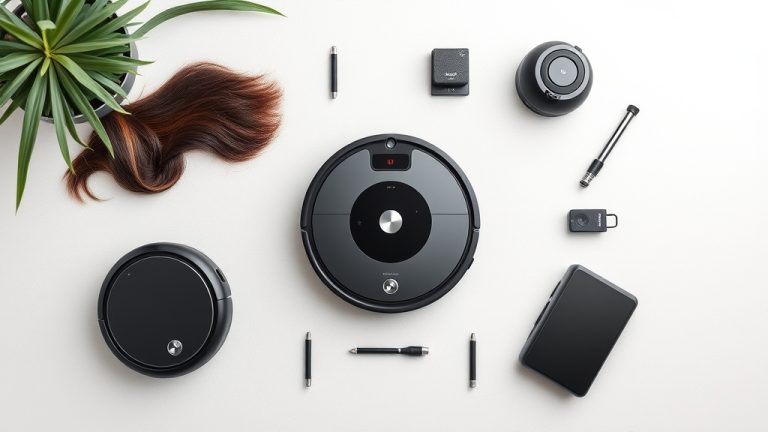
Your little robot helper, while convenient, often has a shorter lifespan. We found that these smart machines typically last about 3 to 5 years. They have intricate electronics and moving parts that can wear out. Battery life is also a common reason for replacement.
Stick Vacuums: Lightweight but Less Lasting
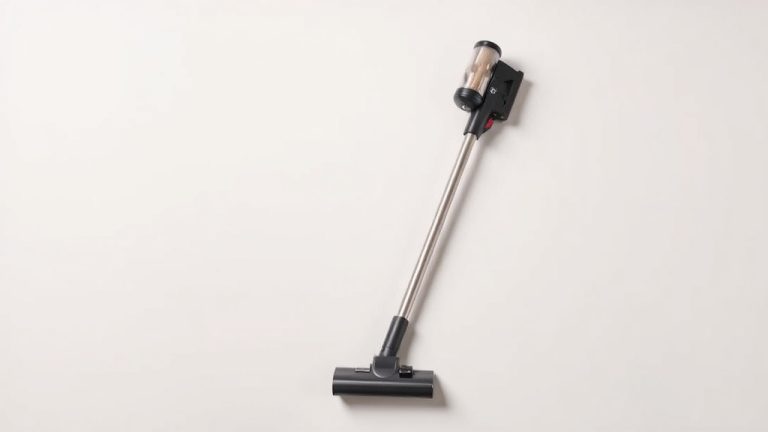
Similar to robot vacuums, stick vacuums are designed for quick cleanups and portability. Their simpler design means fewer parts, but also less robust construction. Expect to replace your stick vacuum every 3 to 5 years, especially if you use it very frequently.
Upright and Canister Vacuums: The Long Haulers
These are often the more traditional, heavier-duty models. Upright and canister vacuums tend to be built with sturdier components. With good care, we found these can often last much longer, sometimes 5 to 10 years. They’re like the reliable old car that just keeps going.
Signs Your Vacuum Needs a New Home
Your vacuum will often give you hints when it’s starting to struggle. You just need to know what to listen and look for. It’s not usually a sudden death, but more of a slow decline in performance.
The Fading Power: Lost Suction
This is perhaps the most obvious sign. If you find yourself running the vacuum over the same spot multiple times and it’s still not picking up dirt, that’s a big red flag. Lost suction means the motor might be weakening or there’s a blockage you can’t clear. We found that a clogged filter or hose is often the culprit, but if cleaning doesn’t help, the motor could be failing.
A Symphony of Strange Noises
Does your vacuum suddenly sound like it’s chewing rocks? Grinding, whining, or unusually loud noises are not normal. These sounds often indicate a problem with the motor or the brush roll. It could be something caught in the brush, or internal damage. We found that unusual noises often mean you shouldn’t delay looking into a replacement.
The Smell Test: Burning Odors
A faint smell of burning plastic or motor oil is never a good sign. This usually points to an overheating motor or a fan belt that’s about to give up. Continuing to use a vacuum with this issue can be a fire hazard. Many experts say to unplug it immediately and consider a replacement.
Visible Wear and Tear
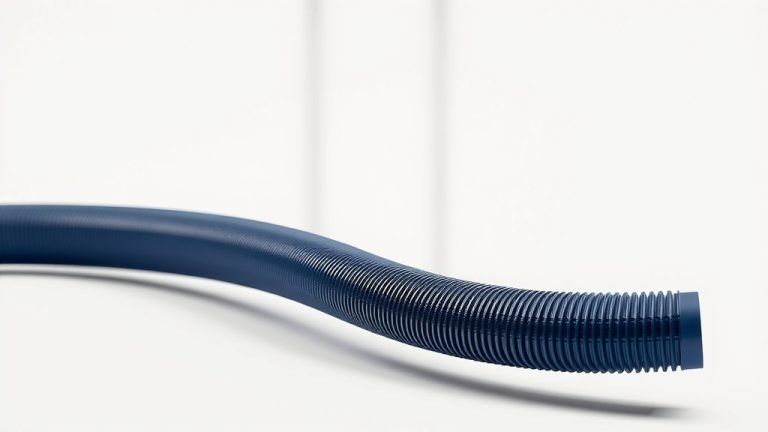
Take a good look at your vacuum. Are the hoses cracked? Is the plastic casing broken? Is the power cord frayed? These are all signs of significant wear. Damaged parts can affect performance and even become dangerous to use. We found that visible damage often means the vacuum is nearing the end of its operational life.
The Role of Maintenance in Vacuum Longevity
How you treat your vacuum cleaner greatly impacts how long it will serve you. Regular, simple maintenance can make a huge difference.
Keeping Filters Clean: The Breath of Life
Filters are like the lungs of your vacuum. If they’re clogged with dust and debris, the vacuum can’t breathe properly. This leads to lost suction and can strain the motor. We found that checking and cleaning or replacing your vacuum’s filters according to the manufacturer’s instructions is one of the most effective ways to keep it running well.
Emptying the Dustbin/Bag: A Simple Necessity
Don’t let the dustbin or bag get completely full. A full container restricts airflow, reducing suction power. It also makes the motor work harder. We found that emptying it when it’s about two-thirds full is ideal. This is a quick task that pays off in performance.
Brush Roll Care: Untangling the Mess
Hair, threads, and carpet fibers can get tangled around the brush roll. This prevents it from spinning effectively and can strain the motor. Regularly cutting away debris from the brush roll will help it clean your floors better and last longer. Many sources recommend doing this after each major cleaning session.
Checking for Blockages: Clear the Path
Periodically check the hose, wand, and dustbin entry for any blockages. Small objects can get lodged and impede airflow. Clearing these out ensures your vacuum can operate at peak efficiency. We found that a quick visual check can save you from a major repair or premature replacement.
Making the Decision: When Enough is Enough
So, you’ve noticed some of these signs, and you’ve tried the maintenance tips. How do you finally decide it’s time to invest in a new one?
Performance vs. Effort: Is it Worth It?
Ask yourself: Are you spending more time cleaning your vacuum than it spends cleaning your floors? If the answer is yes, it might be time. Also, consider the cost of repairs. If a repair is going to cost a significant fraction of a new, comparable vacuum, it’s usually wiser to upgrade. We found that a vacuum that consistently leaves you frustrated is a vacuum past its prime.
The Checklist for a New Vacuum
Here’s a quick rundown to help you decide:
- Is suction noticeably weaker, even after cleaning filters and checking for blockages?
- Are there persistent, loud, or unusual noises coming from the motor?
- Do you smell burning odors when the vacuum is running?
- Is the vacuum physically falling apart with cracked hoses or casings?
- Does a costly repair seem more expensive than a new model?
- Are you finding yourself spending excessive time trying to get it to work?
If you’re nodding yes to more than a couple of these, it’s probably time to start shopping for a new vacuum. Your floors (and your patience) will thank you!
Conclusion
Deciding when to replace your vacuum boils down to performance and condition. You’ve learned that most vacuums last between 3 to 10 years, but this varies by type and how well you care for them. Don’t ignore the signs: weak suction, strange noises, or burning smells mean it’s likely time for a change. Consistent maintenance, like cleaning filters and clearing brush rolls, can truly extend your vacuum’s life and keep your home cleaner. When the effort to maintain outweighs the cleaning power, it’s time to shop for a new one.
Frequently Asked Questions
How do I know if my vacuum’s suction is just clogged or if the motor is dying?
If you’ve thoroughly cleaned the filters, emptied the bin, and checked for blockages in the hose and brush roll, but suction remains weak, it could indicate a motor issue. A persistent lack of power after these steps is a strong sign the motor is failing.
Can a burnt smell from my vacuum be fixed, or should I replace it immediately?
A burnt smell usually means the motor is overheating or a belt is failing. While a mechanic *might* be able to fix it, the cost often approaches that of a new vacuum. For safety and performance, it’s usually best to replace it promptly.
Are more expensive vacuums really built to last longer?
Often, yes. Higher-end models tend to use more durable materials and have more robust motor designs. However, even a premium vacuum benefits greatly from regular maintenance to achieve its maximum lifespan.
What’s the most important maintenance task to make my vacuum last longer?
Keeping your vacuum’s filters clean and/or replaced is paramount. Clogged filters severely restrict airflow, forcing the motor to work harder and reducing overall cleaning power, which can shorten its life.
Should I repair my old vacuum or buy a new one if it breaks?
Consider the cost of the repair versus the cost of a new vacuum. If a repair is more than 50% of the price of a comparable new model, or if the vacuum is already several years old, upgrading is usually the more economical choice.
![7 Best Handheld Vacuum For Hard Floors [2026]](https://bathroomexplorer.com/wp-content/uploads/2026/05/7-best-handheld-vacuum-for-hard-floors-2026-featured-768x432.jpg)