
How Often Should You Recharge Your Air Conditioner
Your air conditioner doesn’t need to be “recharged” in the way you might think. Unlike your phone battery, AC units typically don’t need regular recharging. If your AC is losing its cooling power, it likely has a refrigerant leak, not just an empty tank. Finding and fixing this leak is the real solution, not just topping it off.
Many homeowners worry about their AC running out of “charge.” This common misunderstanding can lead to unnecessary service calls. We found that most AC issues stem from other problems like dirty filters, blocked vents, or low refrigerant levels due to a leak. Addressing the root cause ensures your system runs efficiently and keeps you cool all summer long.
- Your AC unit doesn’t have a battery to recharge.
- Low cooling means a refrigerant leak is likely.
- Technicians find and fix the leak, then recharge.
- Regular checks can prevent major issues.
- Dirty filters are a common culprit for poor performance.
Let’s walk through what’s really going on with your air conditioner’s cooling power and what you can do about it.
“`htmlHow Often Does Your AC Unit Really Need a Recharge?
The short answer is: your air conditioner doesn’t need regular recharging. Think of it less like your smartphone battery and more like a car’s engine oil. You don’t “recharge” an engine; you change the oil if it’s low. Similarly, if your AC is losing its cool, it’s usually due to a refrigerant leak, not just an empty tank.
We’ve found that this is a common point of confusion for many homeowners. The term “recharge” often implies a routine maintenance task. But in reality, the need for refrigerant usually signals an underlying problem that needs fixing. Our goal is to help you understand what’s really happening and what steps to take.
Understanding Refrigerant and Your AC System
Your air conditioner works by circulating a special chemical called refrigerant. This substance is the heart of the cooling process. It moves heat from inside your home to the outside, leaving your indoor air cool and comfortable. Refrigerant changes its state from liquid to gas and back again as it travels through the system’s coils.
What is Refrigerant?
Refrigerant is a type of fluid that easily changes between a liquid and a gas. It has very specific properties that make it ideal for absorbing heat. This absorption and release of heat is how your AC cools your home. Without enough refrigerant, the system simply can’t move enough heat.
The Role of Refrigerant in Cooling
The refrigerant cycles through the evaporator coil (inside your home) and the condenser coil (outside). As it flows through the evaporator, it absorbs heat from your indoor air, making the air cooler. Then, it travels to the condenser, where it releases that heat outside. This continuous cycle keeps your home at a pleasant temperature.
Signs Your AC Might Need More Than Just a Recharge
If you notice your air conditioner isn’t cooling as well as it used to, there are several telltale signs. These symptoms often point to a problem that requires professional attention. Ignoring them can lead to bigger, more expensive repairs down the road.
Reduced Cooling Power
The most obvious sign is a noticeable drop in cooling performance. Your AC might run for long periods without actually lowering the room temperature. You may find yourself turning the thermostat down lower and lower, but it doesn’t make a difference. This lack of cool air is a major indicator something is wrong.
Increased Energy Bills
When your AC is struggling to cool, it has to work harder. This means it consumes more electricity. We’ve seen that a system with a refrigerant issue often leads to a significant spike in your monthly utility bills. It’s like asking someone to run a marathon carrying a backpack – they’ll use a lot more energy.
Ice Buildup on the Coils
You might see frost or ice forming on the refrigerant lines or coils of your AC unit. This is especially common on the outdoor unit. Ice formation usually means there’s not enough refrigerant circulating to absorb heat properly. The cold temperatures then cause moisture in the air to freeze onto the metal.
Strange Noises or Airflow Issues
While not directly related to refrigerant levels, some unusual noises or a weak airflow from your vents can accompany other AC problems. Hissing sounds, for example, could indicate a refrigerant leak. A weak airflow might be due to other issues, but it’s worth noting alongside cooling problems.
The Truth About AC Refrigerant Leaks
As we mentioned, the most common reason for low refrigerant is a leak in the system. Refrigerant isn’t something that gets used up over time. It’s contained within a sealed system. If the level drops, it means it’s escaping somewhere.
Why Leaks Happen
Refrigerant lines can develop leaks over time due to wear and tear, corrosion, or damage from external factors. Vibrations from the unit’s operation can also loosen connections. Sometimes, tiny holes can form in the coils themselves. Many experts say that finding these small leaks can be challenging.
The “Recharge” Process: What a Technician Actually Does
When you call a professional because your AC isn’t cooling, they won’t just “recharge” it. First, they will diagnose the problem. This involves checking for leaks, often using specialized detection equipment.
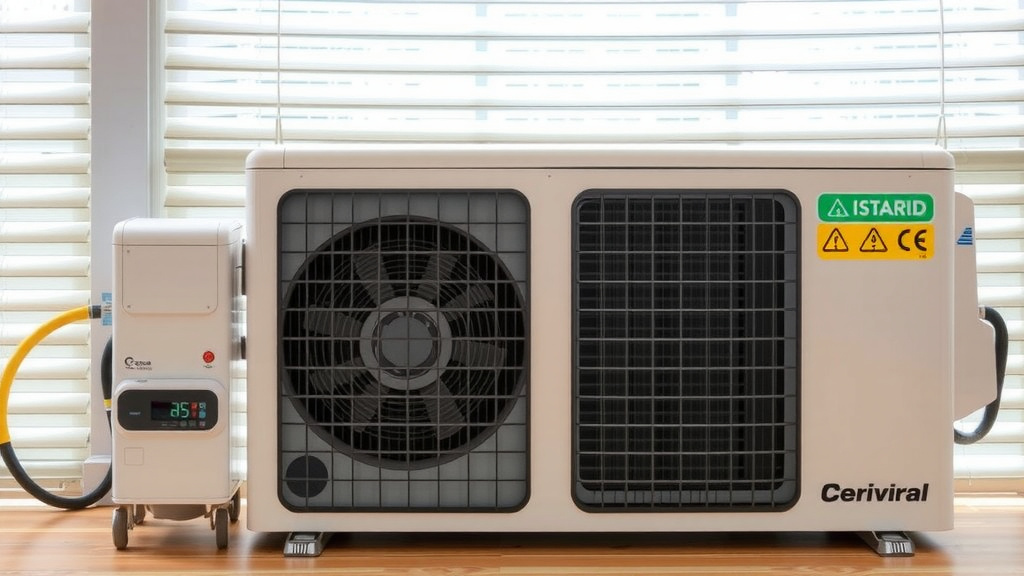
If a leak is found, the technician will repair it. This might involve brazing a hole in a pipe or tightening a connection. Once the leak is fixed and the system is sealed, they will add the correct amount of refrigerant. They don’t just fill it up; they ensure the system has the precise charge specified by the manufacturer.
We found that this two-step process – fixing the leak and then recharging – is essential for restoring your AC’s efficiency and preventing future issues.
When to Consider Refrigerant Checks
While routine recharging isn’t a thing, there are times when checking your refrigerant levels is a good idea. These are generally related to performance issues or scheduled maintenance.
Annual HVAC Maintenance
Many HVAC professionals recommend an annual tune-up for your air conditioning system. During this service, a technician will check the refrigerant levels as part of a comprehensive inspection. This can help catch small issues before they become big problems.
According to guidelines from various HVAC associations, a spring tune-up is ideal. This ensures your system is ready to handle the cooling demands of summer. They look at everything from the electrical connections to the refrigerant charge.
After a Major Repair
If your AC has recently undergone a repair that involved opening the refrigerant lines, it’s likely the system was partially or fully discharged. In such cases, the technician will recharge it as part of the repair process. Always confirm with your technician that the system has been properly charged.
If You Notice Performance Issues
As we’ve discussed, a significant drop in cooling ability is a prime reason to have your system inspected. Don’t wait for it to stop cooling entirely. A timely check can save you from a breakdown on the hottest day of the year.
Can You “Top Off” Refrigerant Yourself?
We strongly advise against attempting to add refrigerant yourself. It’s not like adding windshield washer fluid. Working with refrigerant requires specialized tools, knowledge, and safety precautions.
The Risks of DIY Refrigerant Handling
Refrigerants are chemicals that can be harmful if handled improperly. They can cause frostbite if they come into contact with your skin and can be harmful if inhaled. Furthermore, adding the wrong type or amount of refrigerant can damage your AC unit, leading to costly repairs.
Why Professional Expertise is Key
Licensed HVAC technicians have the training and equipment to handle refrigerants safely and effectively. They understand the complex systems and the precise requirements for each unit. This ensures your system is repaired correctly and operates efficiently.
Preventative Measures for a Healthy AC System
While you can’t prevent all refrigerant leaks, you can take steps to keep your AC system running smoothly. Regular maintenance and simple checks can go a long way.
Here’s a quick checklist to help you keep your AC in top shape:
- Change air filters regularly (monthly or quarterly, depending on the type).
- Keep the outdoor unit clear of debris, leaves, and vegetation.
- Ensure vents inside your home are not blocked by furniture or drapes.
- Listen for unusual noises coming from your AC unit.
- Note any changes in cooling performance or unusual smells.
- Schedule annual professional maintenance.
Taking these simple steps can help ensure your air conditioner operates efficiently and reliably, potentially extending its lifespan and keeping your home cool all summer long.
“`Conclusion
It’s clear that your air conditioner doesn’t operate on a recharging schedule like your phone. The idea of an “AC recharge” usually points to a more serious issue: a refrigerant leak. When your system’s cooling power drops, a technician’s job is to find and fix that leak, then ensure the correct amount of refrigerant is added. We found that routine professional check-ups and simple home maintenance, like changing filters, are your best bet for a reliably cool home. Don’t guess about your AC’s performance; if you suspect a problem, it’s time to call a qualified HVAC professional.
Frequently Asked Questions
How do I know if my AC needs refrigerant?
The most common sign is a noticeable drop in cooling power; your home just won’t feel as cool. You might also see ice forming on the AC unit’s coils or observe a significant increase in your energy bills. These symptoms suggest that refrigerant may be low due to a leak.
Can I just add more refrigerant if it’s low?
We strongly advise against adding refrigerant yourself. Refrigerant is a chemical that requires specialized tools and knowledge to handle safely. Adding the wrong type or amount can damage your system and void warranties, making professional service essential.
What’s the difference between a recharge and a repair?
A “recharge” typically refers to topping off refrigerant levels. However, if your AC is low on refrigerant, it almost always means there’s a leak. A proper repair involves locating and fixing that leak before adding the correct amount of refrigerant to restore the system’s performance.
How often should an HVAC technician check my refrigerant levels?
Refrigerant levels don’t need checking unless there’s a problem, but professional tune-ups are recommended annually. During a spring tune-up, your technician will typically check refrigerant levels as part of a comprehensive inspection to ensure your system is ready for summer.
Will a refrigerant leak eventually stop on its own?
No, refrigerant doesn’t get used up. If your AC is low on refrigerant, it’s because it has escaped through a leak. This leak will persist and likely worsen over time, leading to continued poor cooling performance and potential damage to your AC system.


![7 Best Window Air Conditioner In The Philippines [2026]](https://bathroomexplorer.com/wp-content/uploads/2026/07/7-best-window-air-conditioner-in-the-philippines-2026-featured-768x432.jpg)