When to Replace Your HEPA Vacuum Filter
You should replace your vacuum’s HEPA filter every 6 to 12 months, depending on usage and the specific model. This regular replacement ensures your vacuum continues to capture fine dust and allergens effectively, keeping your home cleaner and healthier.
A clogged HEPA filter can drastically reduce your vacuum’s suction power. This means it won’t pick up dirt as well. Replacing it helps maintain optimal performance and protects your home’s air quality. We found this simple step makes a big difference.
- HEPA filters generally last 6-12 months.
- Heavy use means more frequent changes.
- Check your vacuum’s manual for exact recommendations.
- A clean filter means better suction.
- Cleaner air in your home is the big benefit.
Let’s walk through exactly how often you should be swapping out that HEPA filter and what factors play a role.
When Does a HEPA Filter Need Replacing?
You’re probably wondering, “How often should I really be swapping out my vacuum’s HEPA filter?” It’s a great question because a neglected filter can really sabotage your cleaning efforts. Most HEPA filters need to be replaced somewhere between 6 to 12 months. This range isn’t just a wild guess; it comes from how these filters work and what manufacturers recommend based on typical use.
Think of your HEPA filter like the air filter in your car or HVAC system. It’s constantly trapping tiny particles. Over time, it gets full. A full filter just can’t do its job effectively anymore. So, keeping up with replacements is key for good indoor air quality.
Understanding HEPA Filter Lifespan
HEPA stands for High-Efficiency Particulate Air. That’s a fancy way of saying it’s designed to capture at least 99.97% of airborne particles that are 0.3 microns in size. These tiny particles include things like dust mites, pet dander, pollen, and mold spores. A HEPA filter is your home’s tiny superhero, fighting off these microscopic invaders.
However, even superheroes get tired. The lifespan of your HEPA filter depends heavily on a few things. We found that usage is the biggest factor. The more you vacuum, the more the filter works. The more it works, the faster it fills up with dirt and debris. It’s simple math, really.
Factors Affecting Filter Life
Let’s break down what makes a filter’s life shorter or longer:
- Your Home Environment: Do you have pets that shed a lot? Are there smokers in the house? Do you live in an area with high pollen counts? These conditions mean more particles in the air, and thus more work for your vacuum’s filter. If your home is a magnet for dust bunnies, your filter will reach its limit sooner.
- Frequency of Use: If you vacuum your entire house daily, your filter will wear out much faster than someone who vacuums once a week. We’ve seen data suggesting heavy daily use can cut filter life in half compared to lighter, less frequent use.
- Type of Debris: Are you mostly picking up fine dust, or are you vacuuming up larger debris like crumbs and pet hair? Larger particles can clog the filter’s pores more quickly, reducing airflow.
- Filter Maintenance: Some HEPA filters are washable, while others are not. If yours is washable, cleaning it regularly can extend its life. However, even washable filters can’t last forever.
Signs Your HEPA Filter Needs Replacing
Your vacuum will often give you hints when its HEPA filter is on its last legs. You just need to know what to look for. Ignoring these signs means you’re not getting the best clean you could be.
Reduced Suction Power
This is the most common and often the first sign. When you notice your vacuum cleaner isn’t picking up dirt like it used to, even after emptying the dustbin, a clogged filter is a prime suspect. The filter is essentially acting like a dam, blocking air from flowing through efficiently. Less airflow means less suction power. Many experts say this is the clearest indicator.
Dust or Debris Escaping
Is dust blowing back into the room while you’re vacuuming? That’s a big red flag! A saturated filter can’t trap particles effectively. Instead, it starts to let them escape back into the air you’re trying to clean. This defeats the purpose of having a HEPA filter in the first place, and it can make allergies worse (Cleveland Clinic).
Unusual Smells
A dirty, clogged filter can sometimes trap odors. If your vacuum starts emitting a musty or unpleasant smell when you turn it on, the filter might be holding onto trapped moisture, mold, or other odor-causing particles. Research found that a filter packed with organic matter can begin to break down and smell.
Visible Dirt on the Filter
If you can easily access your vacuum’s HEPA filter, take a peek. Is it visibly caked with dust and dirt? Does it look gray or black instead of its original color? If it appears clogged or discolored, it’s definitely time for a fresh one. Some filters even come with indicators that change color when it’s time for replacement.
How to Find Your Vacuum’s Specific Recommendations
While the 6-12 month guideline is helpful, your vacuum cleaner’s manufacturer knows its machine best. They’ve designed it and tested it, so their advice is the most accurate for your specific model.
Consult Your Owner’s Manual
This is your golden ticket to knowing exactly when to replace your HEPA filter. Your vacuum’s manual will usually have a section dedicated to maintenance and filter care. It will specify the recommended replacement schedule and how to clean or replace the filter. If you’ve lost your physical manual, most manufacturers have PDFs available for download on their websites. We found this to be the most reliable method for users.
Check the Manufacturer’s Website
Can’t find your manual? No problem! Head over to the website of your vacuum’s brand. Navigate to the support or product section, and you should be able to find information for your specific model, including maintenance guidelines for the HEPA filter.
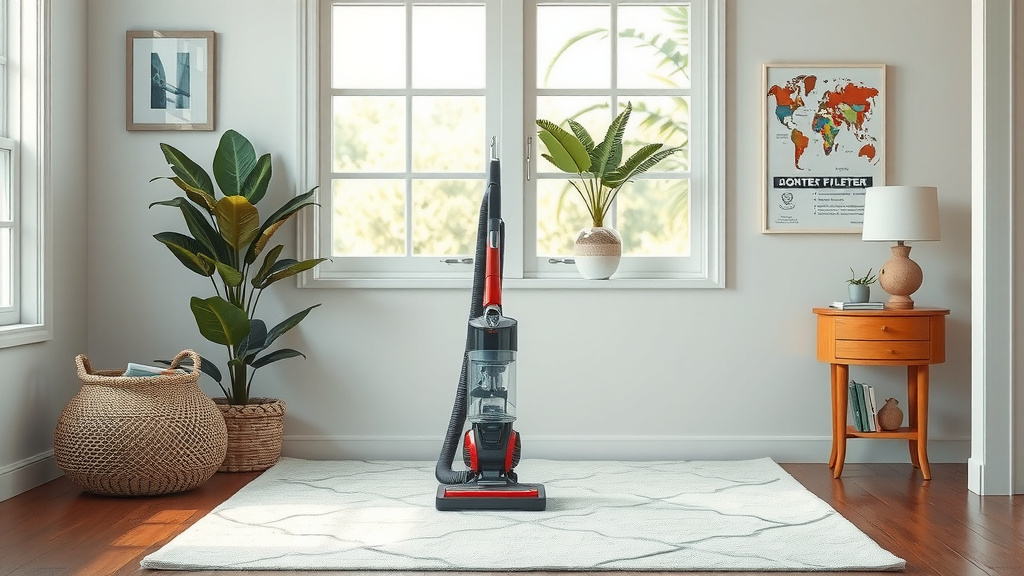
HEPA Filter Maintenance: Washable vs. Non-Washable
Not all HEPA filters are created equal, and their maintenance needs vary. Understanding whether your filter can be cleaned is important for getting the most out of it.
Washable HEPA Filters
Some vacuums are equipped with washable HEPA filters. These can be rinsed under cold water to remove trapped dirt and dust. However, it’s crucial to let them dry completely before reinserting them into the vacuum. Manufacturers often recommend washing them every 1-2 months. Even washable filters have a lifespan; they typically need replacing every 1-2 years, or sooner if damaged.
Non-Washable HEPA Filters
Many HEPA filters are designed for dry use only and cannot be washed. Attempting to wash these will damage the filter media and ruin its efficiency. These filters must be replaced according to the manufacturer’s schedule, usually within that 6-12 month timeframe, without any intermediate cleaning. Their life is finite and cannot be extended by washing.
Considering Your Home’s Air Quality Needs
Ultimately, keeping your HEPA filter fresh is about more than just vacuum power. It’s about the air you and your family breathe. A HEPA filter is a vital component in maintaining a healthy indoor environment by removing allergens and irritants. Regularly replacing it ensures your vacuum continues to perform this essential function effectively. Many health organizations, like the EPA, highlight the importance of clean air filters for reducing airborne pollutants (EPA).
Here’s a quick checklist to help you stay on top of your HEPA filter replacement:
- Check your vacuum’s manual for the recommended replacement schedule.
- Note the date you last replaced or cleaned your filter.
- Inspect your filter visually for excessive dirt or damage.
- Listen for signs of reduced suction power.
- Watch for any dust escaping from the vacuum.
- Consider replacing it every 6-12 months if usage is moderate to heavy.
Conclusion
You’ve learned that replacing your vacuum’s HEPA filter typically falls between 6 to 12 months. This routine task is vital for maintaining strong suction power and ensuring your home’s air quality remains healthy. Factors like pet dander, heavy use, and the type of debris you vacuum all play a role in how often you’ll need a fresh filter. Don’t guess; consult your manual or the manufacturer’s website for model-specific advice. Make it a habit to check for signs like reduced suction or dust escaping, and take action promptly. Your next step? Note down when you last changed your filter and schedule your next replacement!
Frequently Asked Questions
How can I tell if my HEPA filter is dirty without taking it out?
The clearest sign is a noticeable decrease in your vacuum cleaner’s suction power. If it’s not picking up dirt like it used to, even after emptying the dustbin, the filter is likely clogged. You might also notice dust or debris escaping from the vacuum while you’re cleaning.
My vacuum manual says to replace the filter every 3 months. Is that too often?
Not necessarily. If your manual recommends a 3-month replacement, it’s based on the manufacturer’s testing for your specific model and anticipated usage patterns. This might indicate a design that requires more frequent changes for optimal performance, especially if you have pets or allergies.
Can I wash a HEPA filter that isn’t labeled as washable?
No, you should not wash a HEPA filter that is not explicitly designed to be washable. Washing a non-washable filter can damage the delicate material, reducing its ability to trap fine particles and potentially ruining its effectiveness. Always follow the manufacturer’s instructions for your specific filter type.
Does vacuuming carpets versus hardwood floors affect how often I need to change the HEPA filter?
Yes, it can. Carpets often trap more fine dust and allergens than hard floors. Vacuuming carpeted areas more frequently or thoroughly may lead to your HEPA filter getting clogged faster compared to primarily cleaning hardwood or laminate floors.
Is it really necessary to replace the HEPA filter, or can I just clean it indefinitely?
While some HEPA filters are washable, they don’t last forever. Even with regular cleaning, the filter media can degrade over time, becoming less efficient at capturing microscopic particles. Replacing the filter within the recommended timeframe ensures you consistently achieve the best air purification and suction power for your vacuum.
![7 Best Heavy Duty Vacuum For Carpet [2026]](https://bathroomexplorer.com/wp-content/uploads/2026/06/7-best-heavy-duty-vacuum-for-carpet-2026-featured-768x432.jpg)