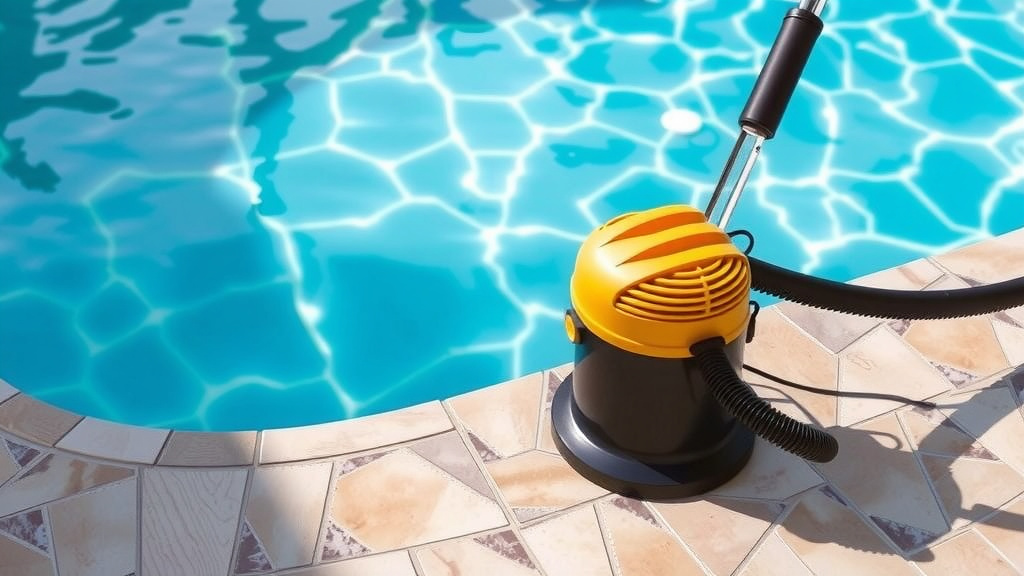
How Often Should You Run Your Pool Vacuum
You should run your pool vacuum about 2-3 times per week. This frequency helps keep your pool water clean and sparkling. It removes debris before it sinks and causes problems for your pool.
Regular vacuuming is key to maintaining a healthy swimming environment. Skipping this task can lead to cloudy water and potential algae growth. It’s a simple step that prevents bigger issues down the line for your pool’s health.
- Run your pool vacuum 2-3 times each week.
- This prevents debris from settling and causing problems.
- It keeps your water crystal clear and inviting.
- Regular vacuuming is crucial for pool maintenance.
- Consider more frequent vacuuming if your pool gets a lot of use or debris.
Let’s dive into the details of how often you should be vacuuming your pool and what factors might affect that schedule.
How Often Should You Really Vacuum Your Pool?
You should aim to run your pool vacuum 2 to 3 times each week. This frequency is a great starting point for keeping your pool water clean and free of debris. It helps prevent leaves, dirt, and other particles from sinking to the bottom. Once debris settles, it can be harder to remove. It also starts to break down. This process can cloud your water. It can even lead to more serious issues like algae growth.
Think of your pool vacuum like a regular chore, similar to tidying up your living room. You wouldn’t let dust bunnies gather for weeks, right? Your pool is no different. A little regular attention goes a long way. It keeps your swimming oasis looking its best. It also saves you from bigger cleaning jobs later on. We found that consistent vacuuming is a cornerstone of good pool care.
Understanding Your Pool Vacuuming Needs
While 2-3 times a week is a good general rule, your pool’s specific needs might vary. Several factors can influence how often you should deploy your vacuum.
Factors That Might Increase Vacuuming Frequency
Some situations call for more frequent vacuuming. You might need to pull out your vacuum more often if you notice:
- Heavy Debris Load: Do you live in an area with many trees? Do they hang over your pool? You’ll likely find more leaves, twigs, and pollen in your pool. These need to be removed quickly.
- High Usage: Is your pool a popular spot for family and friends? More swimmers mean more things tracked into the pool. This includes dirt, grass, and even sunscreen.
- Pets: If your furry friends enjoy a dip, you’ll likely see more hair and dander. This can clog filters and make water cloudy.
- Windy Conditions: Frequent windy days can blow all sorts of debris into your pool. You’ll need to tackle it before it settles.
- After Pool Parties: A good vacuuming session after a big gathering is often necessary. Guests can track in a lot of particles.
Factors That Might Allow for Less Frequent Vacuuming
On the flip side, you might get away with vacuuming a bit less if:
- Pool is Covered: A good pool cover is a fantastic defense against debris. If you use it consistently, you’ll have less to vacuum.
- Low Usage: If your pool is mostly for looking at rather than swimming, it will naturally accumulate less debris.
- Minimal Surrounding Vegetation: A pool far from trees and bushes will receive less natural debris.
Automatic Pool Cleaners vs. Manual Vacuuming
The type of vacuum you use can also play a role in your routine. Many homeowners opt for automatic pool cleaners.
Automatic Pool Cleaners (Robots, Suction-Side, Pressure-Side)
Automatic pool cleaners can be a real game-changer. They work by themselves, either on a timer or when you turn them on. We found that robotic cleaners are often the most thorough. They have their own filtration systems. Suction-side and pressure-side cleaners attach to your skimmer or dedicated return line. They use the pool’s own pump and filter system.
Pros of Automatic Cleaners:
- Convenience: They do the work for you. This frees up your time.
- Consistency: They can run on a schedule, ensuring regular cleaning.
- Efficiency: Many models are designed for thorough cleaning.
Cons of Automatic Cleaners:
- Initial Cost: These can be a significant investment.
- Maintenance: They still require some maintenance. You may need to clean filters or hoses.
- Not Always Perfect: Some corners or steps might still need a manual touch-up.
If you have an automatic cleaner, you might still need to manually vacuum. This is especially true for areas the cleaner misses. Many experts suggest running your automatic cleaner daily or every other day. This can supplement manual vacuuming. It reduces the amount of debris that reaches your main pool filter.
Manual Vacuuming
Manual vacuuming involves using a vacuum head attached to a pole and a hose. You connect this to your skimmer. You then push it around the pool floor yourself. It’s more labor-intensive but offers direct control.
Pros of Manual Vacuuming:
- Affordability: The equipment is generally less expensive than automatic cleaners.
- Targeted Cleaning: You can focus on specific dirty spots.
- Deep Cleaning: You can often get into corners and steps more effectively.
Cons of Manual Vacuuming:
- Time and Effort: It takes time and physical effort.
- Less Frequent: Because it’s work, you might not do it as often.
- Can Stir Up Debris: If not done carefully, you can stir up fine particles. This can make the water cloudy temporarily.
For manual vacuuming, sticking to the 2-3 times a week schedule is often sufficient. You can adjust based on debris. Many pool owners find a rhythm by vacuuming after skimming leaves.
What Happens If You Don’t Vacuum Enough?
Skipping your vacuuming routine can lead to a cascade of problems. The most obvious is a dirty pool floor. But it goes beyond just aesthetics. Debris that isn’t removed can start to break down. This consumes your pool’s sanitizer (like chlorine). This means your sanitizer is less effective at killing bacteria and algae.
We found that settled debris is a prime spot for algae to take hold. Algae blooms can turn your pool green. They can make the water unsafe for swimming. Removing algae can be a tough and costly job. It often requires shocking the pool. This is where you add a much higher dose of sanitizer. It can also involve extensive scrubbing and filtering.
Furthermore, small particles can get into your pool’s filtration system. They can clog it faster. This makes your filter work harder. It can reduce its effectiveness. This leads to cloudy water and potential damage to your equipment. According to pool maintenance guidelines, regular cleaning prevents these issues.
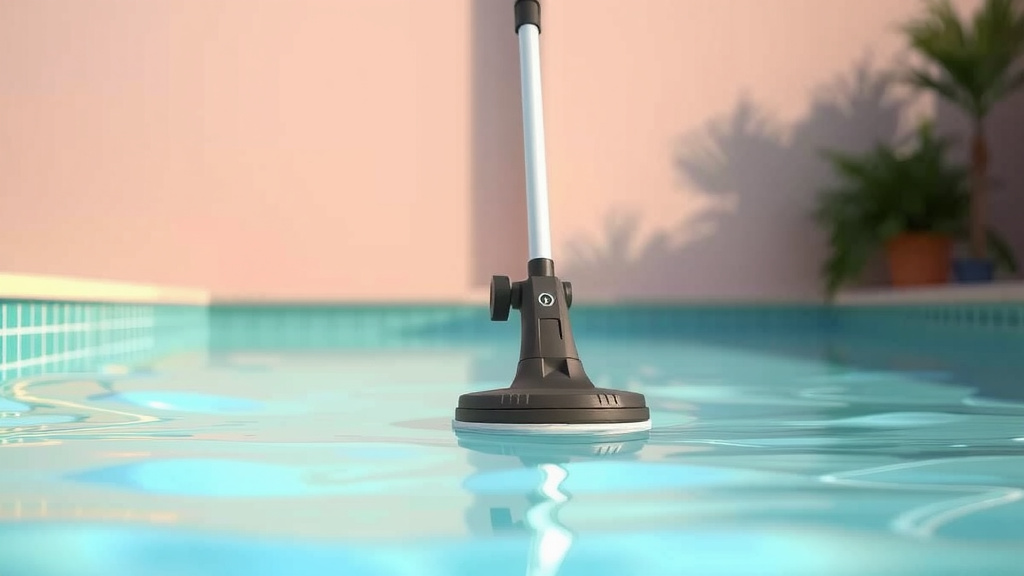
Tips for Effective Pool Vacuuming
To get the most out of your vacuuming efforts, consider these tips:
- Skim First: Always skim large debris like leaves from the surface before you vacuum. This prevents the vacuum from getting clogged.
- Brush the Walls: Before you vacuum, brush the walls and steps of your pool. This loosens any dirt or algae. It allows it to be picked up by the vacuum.
- Check Your Filter: Ensure your pool filter is clean and running properly. A clean filter helps remove finer particles that the vacuum might stir up.
- Vacuum Slowly: Move the vacuum head slowly across the pool floor. This gives it time to suck up debris effectively.
- Don’t Over-Vacuum: While consistency is key, over-vacuuming isn’t usually necessary. It can also stir up too much debris.
Your Pool Vacuuming Checklist
Here’s a quick checklist to keep your vacuuming routine on track:
- Skim the surface before vacuuming.
- Brush pool walls and steps.
- Vacuum the pool floor thoroughly.
- Check and clean your vacuum’s filter bag.
- Run your vacuum 2-3 times weekly.
- Adjust frequency based on debris and usage.
Conclusion
Keeping your pool clean is all about consistent effort. You learned that running your pool vacuum 2-3 times weekly is a solid baseline. Remember to adjust this based on your pool’s environment and how often you use it. Whether you opt for a trusty manual vacuum or a helpful automatic cleaner, the goal is the same: a sparkling, inviting swimming space. Prioritize regular vacuuming to prevent bigger headaches like algae blooms and cloudy water. So, grab your vacuum and give your pool the attention it deserves for a pristine swim every time.
Frequently Asked Questions
How often should I vacuum if I have a lot of trees around my pool?
If you have many trees surrounding your pool, you’ll likely need to vacuum more often. Aim for 4-5 times per week, or even daily if leaves are constantly falling. This prevents excessive debris from accumulating and breaking down in your water.
Can I vacuum my pool every day?
While vacuuming every day can be beneficial, it’s not always necessary for most pools. Daily vacuuming is best for pools with very high debris loads, heavy usage, or if you’re battling algae. For typical pools, 2-3 times a week is usually sufficient.
Does my automatic pool cleaner reduce how often I need to manually vacuum?
Yes, an automatic pool cleaner can definitely reduce the frequency of manual vacuuming. If you have a robotic cleaner, you might only need to manually vacuum once a week or less. However, still check for areas your automatic cleaner might miss.
What should I do if my pool water looks cloudy after vacuuming?
Cloudy water after vacuuming often means you stirred up fine particles or your filter needs cleaning. Try running your filter for a full 24 hours. You may also need to clean your vacuum’s filter bag or your main pool filter. Sometimes, a clarifier can help clear things up faster.
Is it better to vacuum before or after skimming the pool?
It’s always better to skim the pool surface first, then vacuum. Skimming removes larger debris like leaves and twigs before they reach the vacuum. This prevents your vacuum from getting clogged and makes the vacuuming process more efficient.

![7 Best Handheld Vacuum For Crumbs [2026]](https://bathroomexplorer.com/wp-content/uploads/2026/05/7-best-handheld-vacuum-for-crumbs-2026-featured-768x432.jpg)