How Often Should You Vacuum and Dust for a Cleaner Home
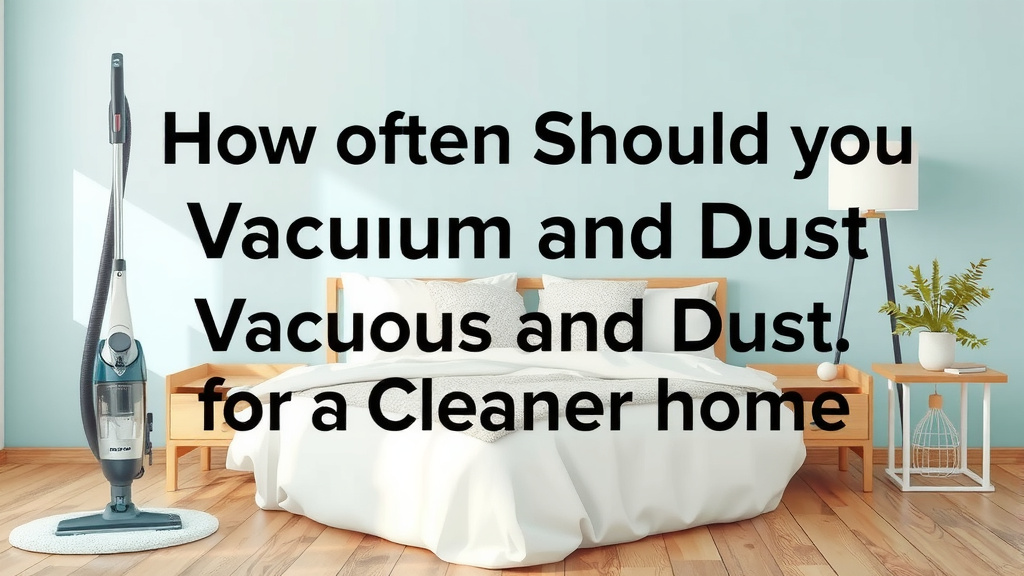
You should vacuum your floors about once or twice a week, and dust surfaces at least once a week. This general rule helps keep your home looking and feeling clean. It also helps manage allergens like dust mites and pet dander effectively.
The exact frequency can change based on your lifestyle and home environment. For instance, households with pets or allergy sufferers may need more frequent cleaning. We found that sticking to a routine makes a big difference in air quality and overall cleanliness.
- Vacuum high-traffic areas 2-3 times per week.
- Dust all surfaces weekly.
- Vacuum carpets weekly, especially if you have pets.
- Dust blinds and ceiling fans monthly.
- Clean vents and drapes quarterly.
Below, we’ll break down exactly how often you should vacuum and dust different areas of your home. We’ll also look at factors that might mean you need to clean more often.
Finding Your Rhythm: How Often to Vacuum and Dust
You’re probably wondering how often to break out the vacuum and duster. It’s a common question for keeping a clean home. Many experts suggest a good baseline is vacuuming floors about once or twice a week. For dusting surfaces, aiming for at least once a week is a smart move.
This rhythm helps manage common household dust, pet dander, and other tiny irritants. It’s not just about looks; it’s about creating a healthier living space. We’ve found that a consistent schedule makes a real difference. Think of it like brushing your teeth for your home.
Understanding Your Cleaning Needs
Life happens, and your home’s needs can change. Several factors influence how often you’ll really need to clean. It’s like knowing when your car needs an oil change – it depends on how much you drive it.
The Pet Factor: Fur and Dander Patrol
Do you share your home with furry friends? Pets can seriously ramp up your cleaning schedule. They shed hair and dander constantly. This can trigger allergies for some people. It also creates more visible dust on surfaces.
If you have pets, you might need to vacuum carpets and upholstery more than twice a week. Brushing your pets regularly can also help reduce shedding. This is a simple way to cut down on what ends up on your floors and furniture. Many vets recommend daily brushing for some breeds.
Allergy Sufferers: A Breath of Fresh Air
For those who deal with allergies or asthma, a clean home is a healthier home. Dust mites, pollen, and pet dander are common triggers. Frequent cleaning can significantly reduce these allergens in the air.
We found that people with allergies benefit from vacuuming high-traffic areas daily. Using a vacuum with a HEPA filter is also highly recommended. This type of filter traps tiny particles effectively (Cleveland Clinic). Regular dusting with a damp cloth or microfiber duster is key too.
High-Traffic vs. Low-Traffic Areas
Where do people spend the most time in your home? These are your high-traffic zones. Think entryways, living rooms, and kitchens. These areas collect more dirt and debris daily.
High-traffic areas like hallways and your main living space likely need vacuuming 2-3 times per week. Less-used areas, like guest bedrooms, might only need vacuuming once every week or two. It just makes sense to focus your efforts where they matter most.
Your Weekly Cleaning Blueprint: Vacuuming
Let’s talk about vacuuming specifically. It’s your primary tool for deep cleaning floors and carpets. The goal is to remove embedded dirt and debris.
Carpets and Area Rugs
Carpets can act like sponges for dust and allergens. They hide particles deep within their fibers. Aim to vacuum all carpets at least once a week. If you have pets or a busy household, this should be more frequent, perhaps 2-3 times weekly for main areas.
Pay attention to areas where people walk the most. These spots wear down faster and collect more dirt. Make slow, overlapping passes with your vacuum cleaner. This ensures you’re picking up as much as possible.
Hardwood, Tile, and Laminate Floors
Hard surface floors are easier to clean but still need regular attention. Dust and small debris can easily be swept or blown around. Vacuuming these surfaces can prevent scratches from grit.
You can vacuum hard floors with a good vacuum cleaner, especially one with a brush roll that can be turned off or adjusted. For quick cleanups, sweeping or a dust mop works well. A good rule of thumb is to vacuum or sweep them once or twice a week.
Your Weekly Cleaning Blueprint: Dusting
Dusting might seem less urgent than vacuuming, but it’s crucial for air quality. Dust isn’t just unsightly; it can contain allergens.
Routine Surface Dusting
All accessible surfaces should be dusted weekly. This includes tables, countertops, shelves, and furniture. Using a microfiber cloth or a slightly damp cloth is best.
A damp cloth traps dust rather than just pushing it around. Dry dusting can actually send fine particles airborne. We found that tackling surfaces from top to bottom makes the process more efficient. Start high and work your way down.
Special Dusting Tasks (Monthly & Quarterly)
Some items need dusting less often. These are often harder-to-reach areas. Think about things that don’t get touched daily.
Monthly Dusting Targets
Set aside time monthly for things like ceiling fans and blinds. Dust accumulates on fan blades quickly. Blinds can collect a surprising amount of dust. Use a long-handled duster for these tasks.
Quarterly Deep Cleans
Every few months, consider a deeper clean. This includes things like washing curtains or drapes. You might also want to clean air vents. Dust can build up inside vents over time, affecting air quality.
A Quick Cleaning Checklist
Here’s a simple checklist to help you stay on track:
- Vacuum high-traffic floors 2-3 times per week.
- Vacuum all carpets weekly.
- Dust all accessible surfaces weekly.
- Dust ceiling fans and blinds monthly.
- Clean air vents and drapes quarterly.
- Spot clean spills immediately to prevent stains.
Adjusting Your Schedule: What to Watch For
Your cleaning needs aren’t static. It’s important to be aware of changes in your home. If you start seeing more dust build-up quickly, it’s a sign to increase cleaning frequency.
Notice if allergy symptoms worsen for anyone in your household. This is a clear indicator that more frequent and thorough cleaning is needed. It’s about listening to your home and your body. We found that small adjustments make a big impact over time.
Conclusion
You’ve learned that keeping your home clean and healthy means finding a regular vacuuming and dusting rhythm. While the general advice is to vacuum once or twice a week and dust at least weekly, your specific needs matter. Pets, allergies, and busy households mean you’ll likely need to clean more often. Don’t be afraid to adjust your schedule based on what you see and how you feel. Start by setting a weekly dusting and vacuuming routine for your main living areas, and then fine-tune from there. Your consistent effort makes a big difference in your home’s air quality and overall comfort.
Frequently Asked Questions
How often should I vacuum if I don’t have pets or allergies?
If your home is relatively free of pets and allergy triggers, you can likely stick to the general guideline. Vacuuming your main living areas and high-traffic spots once a week should be sufficient. Less-used rooms might only need vacuuming every other week.
What’s the best way to dust without spreading dust around?
The best approach is to use a damp microfiber cloth or a duster designed to trap dust. Avoid dry dusting, which can send fine particles into the air. Always start dusting from higher surfaces and work your way down to capture falling dust effectively.
Does the type of vacuum cleaner affect how often I need to clean?
Yes, a good vacuum with strong suction and effective filtration, like a HEPA filter, can clean more efficiently. This means you might achieve a deeper clean faster, potentially allowing you to maintain your desired cleanliness with regular frequency rather than needing to do it more often.
How can I make dusting less of a chore?
Try to incorporate dusting into your daily or weekly routine in small ways. Wipe down surfaces while you’re already in a room, like wiping down your nightstand when you make your bed. Having dusting supplies readily accessible also makes it easier to tackle the task.
Is it okay to skip vacuuming one week if my house looks clean?
While it might look clean, dust and allergens can still accumulate invisibly. Skipping a week might be okay for very low-traffic areas, but for main living spaces, especially with pets or allergies, it’s best to maintain your regular schedule. Consistency is key for good air quality.