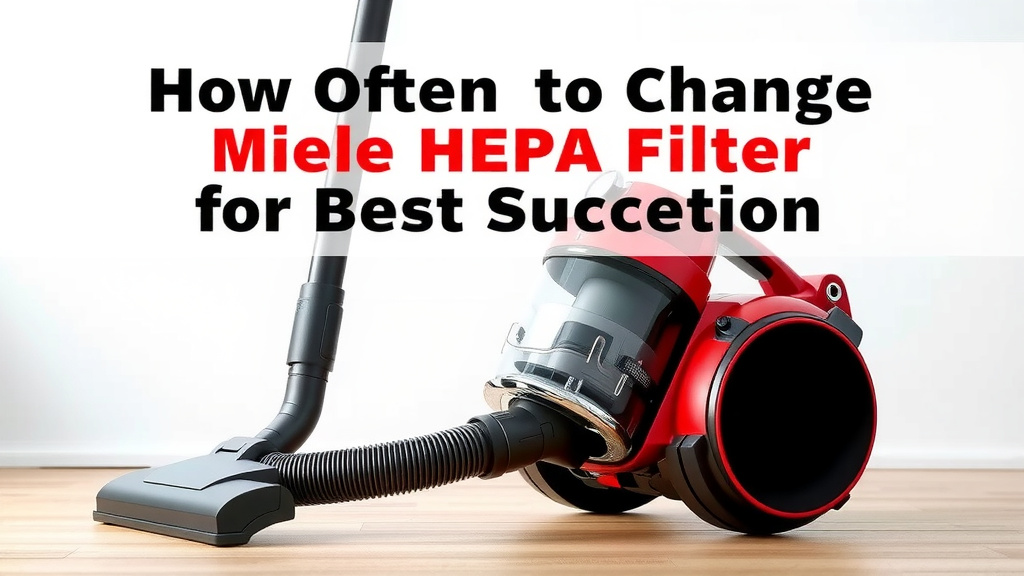
How Often to Change Miele HEPA Filter for Best Suction
You should typically change the HEPA filter in your Miele vacuum cleaner **every 12 months**, or sooner if you notice a **decrease in suction** or if the old filter looks visibly dirty. This regular replacement is key to maintaining your vacuum’s performance and air quality.
Keeping your Miele’s HEPA filter fresh ensures it can effectively trap **fine dust particles and allergens**. Neglecting this can lead to weaker cleaning power and could even recirculate irritants back into your home environment, which is the last thing you want.
- Change Miele HEPA filters annually for best results.
- Replace sooner if suction drops or filter looks dirty.
- This maintains cleaning performance and air quality.
- It helps trap fine dust and allergens effectively.
Let’s get into the specifics of how often you should swap out that filter for optimal Miele performance.
When to Refresh Your Miele Vacuum’s HEPA Filter
You’re likely wondering about the ideal timing to swap out your Miele vacuum’s HEPA filter. We found that most manufacturers and cleaning experts recommend replacing your HEPA filter every **12 months** under typical household use. This timeframe helps ensure you’re getting the most out of your vacuum’s cleaning power and air purification capabilities.
Think of your HEPA filter like a highly efficient sieve. It’s designed to trap the tiniest particles, like pet dander, pollen, and dust mites. Over time, this sieve gets clogged. It can’t capture as much, and your vacuum might start to feel sluggish. So, while 12 months is a good general guideline, there are a few key indicators that might tell you it’s time for a change sooner.
Signs Your HEPA Filter Needs Replacing Sooner
Your Miele vacuum is pretty smart. It often gives you clues when something isn’t quite right. The most obvious sign that your HEPA filter needs attention is a **noticeable drop in suction power**. Have you noticed your vacuum struggling to pick up dirt it used to handle with ease? That’s a strong signal. The filter might be too full to allow proper airflow.
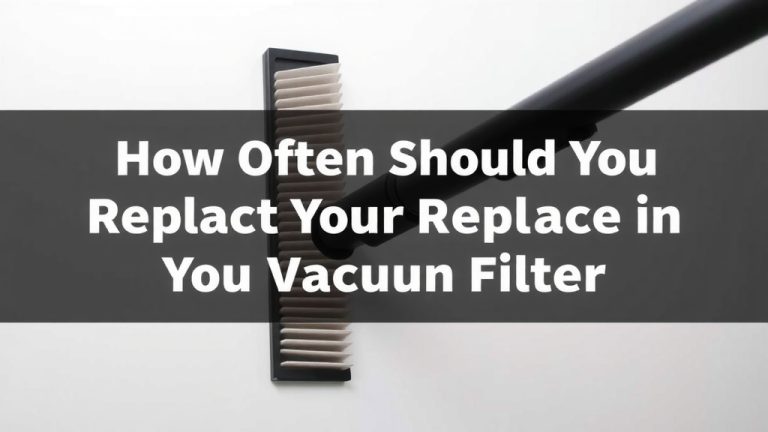
Another clear indicator is the **visual appearance of the filter itself**. If you can see a thick layer of dust, debris, or grime caked onto the filter material, it’s definitely served its purpose. Many Miele models have easily accessible filters, so a quick peek can save you a lot of cleaning trouble down the line. Don’t be shy about taking a look!
Beyond suction and appearance, your home’s air quality is a major factor. If you’ve noticed an **increase in allergy symptoms** for yourself or your family members, and you’ve ruled out other common culprits, your HEPA filter could be to blame. A clogged filter can recirculate trapped allergens back into your air.
Understanding HEPA Filter Functionality
HEPA stands for High-Efficiency Particulate Air. This isn’t just a fancy acronym; it’s a standard. A true HEPA filter must capture at least **99.97% of airborne particles** that are 0.3 microns in diameter. That’s incredibly small! These are the particles that often trigger allergies and respiratory issues.
Your Miele vacuum’s HEPA filter works tirelessly during each cleaning session. It acts as the final stage of filtration. Air from your home is drawn into the vacuum, passes through the motor, and then is expelled. The HEPA filter is positioned in this exhaust path. It’s designed to catch those microscopic irritants before the clean air is returned to your living space.
What Happens When a HEPA Filter Clogs?
When the HEPA filter becomes saturated with dust and debris, its ability to filter air diminishes. This leads to a couple of primary problems. First, as we mentioned, the **airflow is restricted**. This directly impacts your vacuum’s suction power. You’ll find yourself making more passes over the same spot, and it still won’t feel clean.
Second, and perhaps more concerning, a heavily clogged filter can start to **reintroduce those trapped particles back into your home’s air**. Imagine all those allergens and fine dust particles you worked so hard to remove. Instead of staying safely captured, they can be blown back out. This defeats the purpose of having a high-quality vacuum cleaner in the first place, especially if you suffer from allergies or asthma (CDC).
Factors Influencing Filter Lifespan
While 12 months is a solid average, your specific usage habits will affect how often you need to replace your Miele HEPA filter. Consider these points:
- Household Size and Pets: If you have multiple pets that shed a lot, or a larger family with more foot traffic, your vacuum will work harder. This means the filter will fill up faster. Research suggests that homes with pets may experience faster filter loading.
- Allergies and Asthma: If anyone in your household suffers from allergies or asthma, you’ll want to be extra vigilant about filter maintenance. A clean HEPA filter is essential for maintaining good indoor air quality. Many pulmonologists recommend frequent filter changes in such cases.
- Cleaning Frequency and Thoroughness: Do you vacuum daily, or just once a week? Do you tackle deep cleans often? More frequent and intensive cleaning means more work for your filter.
- Type of Debris Cleaned: Are you mostly picking up fine dust and everyday dirt, or are you frequently vacuuming up larger debris, construction dust, or significant amounts of pet hair? The latter will clog the filter more quickly.
Miele HEPA Filter Maintenance Checklist
To keep your Miele running smoothly and your air clean, try to follow this simple maintenance routine:
- Check the filter’s appearance monthly.
- Note any reduction in vacuum suction.
- Listen for unusual motor sounds.
- Observe if allergy symptoms worsen.
- Schedule your replacement every 12 months, or sooner if needed.
When to Consider a Different Type of Filter (and Why HEPA is Best)
Your Miele vacuum likely came with a specific type of filter designed for optimal performance. For most users, especially those concerned about air quality or allergies, a genuine Miele HEPA filter is the gold standard. We found that while some vacuums might offer washable filters, HEPA filters are typically designed for replacement, not washing, to maintain their high filtration efficiency.
Attempting to wash a standard HEPA filter is generally not recommended. The delicate membrane that allows it to trap microscopic particles can be damaged by water and detergents. This could compromise its ability to filter effectively. Always consult your Miele vacuum’s manual for specific instructions regarding your model’s filter. For maximum air purification and to protect your family from airborne irritants, stick with genuine Miele HEPA replacements.
| Indicator | Typical Lifespan | Action Needed |
|---|---|---|
| Visible Dirt/Grime | Immediate | Replace Filter |
| Reduced Suction | Immediate | Replace Filter |
| Increased Allergy Symptoms | Immediate | Replace Filter |
| No Obvious Issues | 12 Months of Use | Replace Filter |
Conclusion
You’ve learned that changing your Miele HEPA filter about once a year is the general rule for peak performance. However, your vacuum often tells you when it’s time for a change sooner. Keep an eye out for that dramatic drop in suction or any visible grime on the filter. Regularly checking these indicators helps maintain your vacuum’s powerful clean and ensures it doesn’t recirculate allergens. Don’t wait for poor performance; make replacing your Miele HEPA filter a regular part of your home maintenance.
Frequently Asked Questions
How do I know if my Miele HEPA filter is clogged?
The most common signs are a noticeable decrease in suction power and the filter looking visibly dirty or covered in dust. If your vacuum struggles to pick up dirt it used to handle easily, it’s a strong indicator.
Can I wash my Miele HEPA filter instead of replacing it?
Generally, no. Miele HEPA filters are designed for replacement, not washing. Water can damage the delicate membrane that allows the filter to trap microscopic particles effectively.
My Miele vacuum has a different type of filter. Do I still need a HEPA filter?
For the best air quality and allergen capture, a genuine Miele HEPA filter is recommended. While other filters exist, HEPA filters meet strict standards for trapping 99.97% of particles 0.3 microns in size.
Will not changing my HEPA filter harm my Miele vacuum?
Yes, a clogged filter restricts airflow, which can strain the motor over time and reduce your vacuum’s overall effectiveness. It essentially makes your vacuum work much harder than it needs to.
How often should I check my Miele HEPA filter?
It’s a good practice to visually check your HEPA filter’s condition at least once a month. This quick inspection can help you spot early signs of clogging or dirt buildup.