How Often to Vacuum Hardwood Floors for Best Results
You should vacuum your hardwood floors about once or twice a week to keep them looking their best. This frequency helps prevent tiny particles from scratching the finish. Regular vacuuming is key for protecting your investment.
While daily sweeping might seem like a good idea, it’s often unnecessary for most homes. However, if you have pets or young children, you might need to vacuum more often. Considering your lifestyle is the best way to determine the perfect schedule for your floors.
- Vacuum hardwood floors 1-2 times weekly.
- This prevents scratches and wear.
- Adjust frequency based on pets and kids.
- A clean floor is a happy floor!
Let’s dive deeper into how often you should vacuum your hardwood floors and why it matters so much.
How Often Should You Clean Your Hardwood Floors?
Knowing how often to vacuum your hardwood floors is key. Most experts agree that once or twice a week is a good starting point for regular maintenance. This helps prevent the accumulation of grit and dust. These tiny particles can act like sandpaper underfoot. Over time, they can cause dullness and even minor scratches on your beautiful finish.
Think of your floor like a well-loved piece of furniture. You wouldn’t let dirt pile up on your antique table, right? Your hardwood floors deserve similar care. A consistent cleaning routine protects your investment and keeps your home looking its best. It’s about preventing damage before it starts.
Factors Influencing Your Vacuuming Schedule
While the general rule is 1-2 times a week, your personal circumstances can change this. We all live differently! Some homes need more attention than others. It’s important to tailor the schedule to your unique lifestyle. Let’s break down what might make you need to vacuum more or less often.
High-Traffic Areas and Daily Life
Do you live in a busy household? If so, your floors likely see more action. Areas around entryways, kitchens, and living rooms tend to gather more dirt. These spots might benefit from a quick sweep or vacuum more frequently. Even a few extra minutes can make a big difference. Keeping these high-traffic zones clean is essential.
The Pet Factor: Furry Friends and Floors
Ah, our beloved pets! They bring so much joy, but also, let’s be honest, a bit of extra mess. Pet hair, dander, and tracked-in dirt can accumulate quickly. If you have dogs or cats, you might find yourself vacuuming three or more times a week. Some pet owners even opt for a quick daily vacuum in high-traffic pet areas. It really depends on how much your furry friends shed and play!
Little Ones and Messy Moments
Children are wonderful, but they can also be tiny agents of chaos for your floors. Spilled snacks, dropped toys, and general play can mean more debris. If you have toddlers or young kids, especially those who spend a lot of time playing on the floor, consider increasing your vacuuming frequency. It’s a small price to pay for keeping your floors clean and safe for little hands and knees.
Seasonal Considerations
The time of year can also impact how often your floors need cleaning. During rainy seasons or winter months, more mud and salt can be tracked into your home. This means your entryway and main living areas might need more frequent attention. Conversely, drier months might mean less tracked-in grime. We found that adjusting for the seasons is a smart move for many homeowners.
Why Regular Vacuuming is So Important for Hardwood
You might be wondering, “Why all the fuss about vacuuming?” It’s more than just aesthetics. Vacuuming regularly is crucial for the longevity and appearance of your hardwood floors. Let’s look at why.
Protecting the Finish from Scratches
This is perhaps the most important reason. Tiny particles like sand, dirt, and grit can become embedded in your floor’s finish. When you walk on these particles, they act like abrasive material. Over time, this can lead to fine scratches and a dull appearance. Research shows that regular cleaning can significantly reduce surface wear (National Wood Flooring Association). A good vacuuming session removes these culprits before they cause harm.
Preventing Deep-Set Stains
While vacuuming primarily tackles dry debris, it also helps prevent stains. If spills happen, having a clean floor means there’s less dry dirt already present to mix with the liquid. This makes wiping up spills much easier and reduces the chance of them setting into the wood. It’s a fundamental step in maintaining floor integrity.
Enhancing the Natural Beauty of Your Floors
Let’s face it, clean hardwood floors are beautiful! Regular vacuuming removes the dulling layer of dust and grime. This allows the natural grain and luster of your wood to shine through. It makes your home feel brighter and more welcoming. You invested in beautiful flooring; let it be seen!
Choosing the Right Vacuum for Your Hardwood Floors
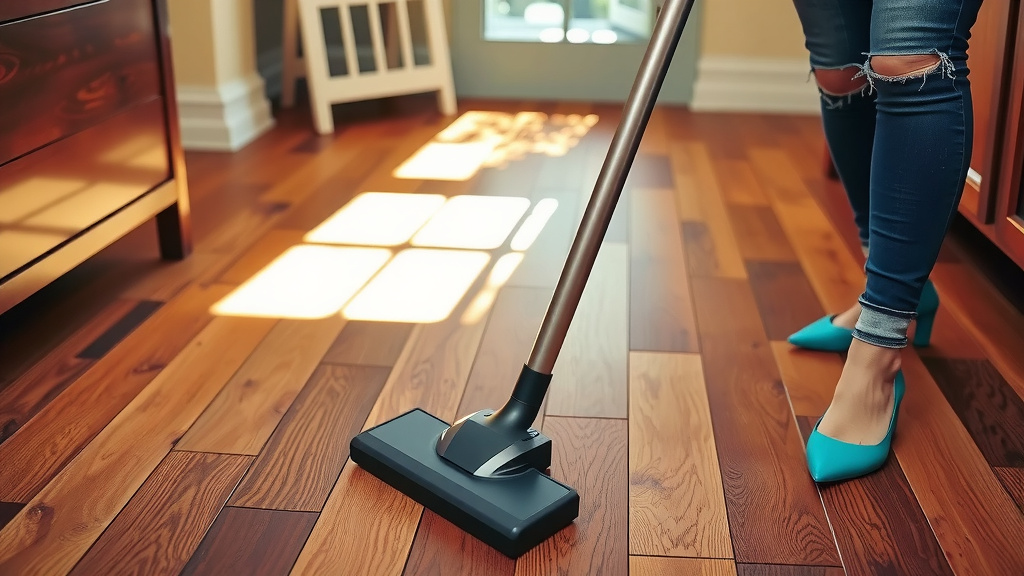
Not all vacuums are created equal when it comes to hardwood. Using the wrong type can actually cause damage! You want a vacuum that is gentle yet effective.
Key Features to Look For
When shopping for a vacuum for your hardwood, keep these features in mind:
- Soft Brush Roll: Look for vacuums with a soft brush roll or one that can be turned off. Stiff bristles can scratch your floors.
- Good Suction: You need strong suction to pick up fine dust and debris.
- Edge Cleaning: Many vacuums struggle with corners and edges. Look for models with good edge-cleaning capabilities.
- Lightweight and Maneuverable: You’ll be vacuuming frequently, so an easy-to-handle vacuum is a must.
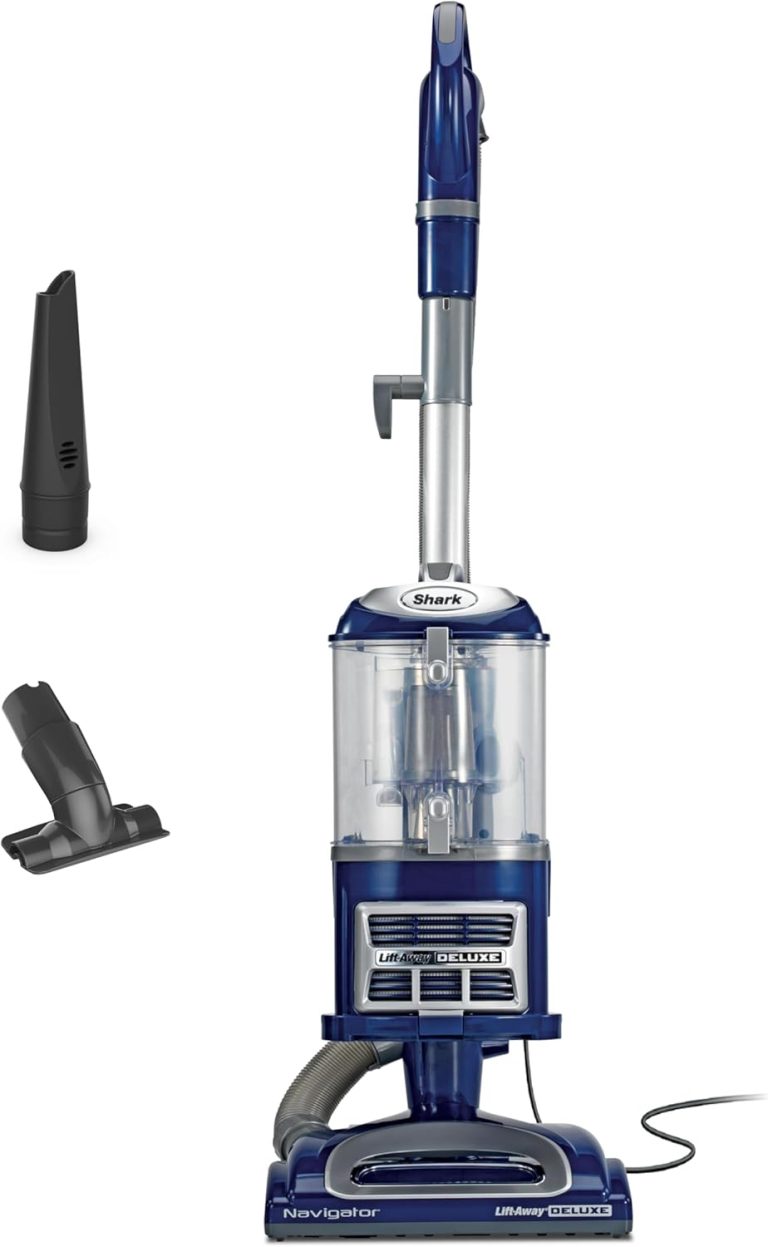
- Attachments: A crevice tool and a soft dusting brush are great for getting into tight spots and for delicate areas.
What to Avoid
Be cautious of vacuums with very powerful, aggressive beater bars. These are designed for carpets and can quickly damage your hardwood’s finish. Always check the manufacturer’s recommendations for your specific flooring type.
A Quick Checklist for Your Hardwood Floor Routine
Here’s a simple guide to help you stay on track:
- Schedule it: Mark vacuuming days on your calendar.
- Dry sweep first (if needed): For heavy debris, a quick sweep can help before vacuuming.
- Use the right vacuum: Ensure your vacuum is set for hardwood.
- Focus on high-traffic zones: Pay extra attention to entryways and main living areas.
- Empty the bin: A full vacuum is less effective.
- Address spills immediately: Clean up messes as soon as they happen.
By following these tips, you can keep your hardwood floors looking gorgeous for years to come. It’s all about consistent, mindful care!
Conclusion
You now know how often to vacuum your hardwood floors for lasting beauty. Aim for once or twice a week as a starting point. Remember to adjust this based on your pets, kids, and the season. Regular vacuuming is your best defense against scratches and dullness. By using the right vacuum and sticking to a simple routine, you protect your investment. Start implementing a consistent schedule today to keep your hardwood floors shining!
Frequently Asked Questions
Can I just sweep my hardwood floors instead of vacuuming?
While sweeping can remove larger debris, it often doesn’t capture fine dust and grit effectively. These tiny particles can still cause micro-scratches over time. Vacuuming with the right attachment is generally more thorough for protecting your floor’s finish.
What kind of vacuum cleaner is best for hardwood floors?
Look for a vacuum with a soft brush roll that can be turned off or a specialized hard floor setting. Strong suction is important, but avoid vacuums with aggressive beater bars meant for carpet. Attachments like a crevice tool are also very useful.
How do I know if I’m vacuuming too much or too little?
If your floors look dull, show fine scratches, or if you’re constantly seeing dust bunnies despite cleaning, you might be vacuuming too little. If your floors are constantly looking dusty right after vacuuming, and you have a very low-traffic home, you might be able to vacuum slightly less often.
Does the type of finish on my hardwood floor matter for vacuuming frequency?
Yes, the finish matters. Floors with more durable, modern finishes can generally withstand slightly more traffic and might not need vacuuming quite as often as older, softer finishes. Always consult your floor manufacturer’s recommendations if you’re unsure.
Should I vacuum my hardwood floors before or after mopping?
You should always vacuum your hardwood floors before mopping. Vacuuming removes loose dirt, dust, and debris. If you mop first, you’ll just push this dry grit around, potentially scratching your floors and creating a muddy mess.