How Often to Vacuum with Cats for a Cleaner Home
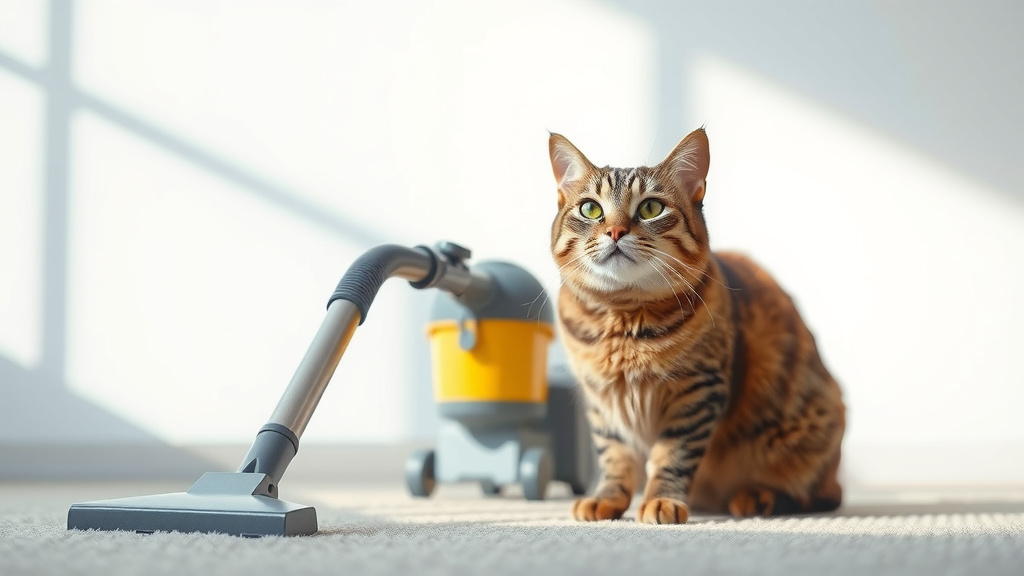
If you own a cat, you’re probably wondering: how often to vacuum? For most cat owners, a good rule of thumb is to vacuum at least twice a week. This helps manage cat hair, dander, and the inevitable litter dust that seems to find its way everywhere. Consistent vacuuming keeps your home cleaner and can even help reduce allergens.
Cats shed year-round, but it often gets worse during certain seasons. This means your vacuuming schedule might need to be more frequent than you think. Ignoring regular vacuuming can lead to a buildup of fur tumbleweeds and trigger allergy symptoms for you or your guests. We found that a consistent routine makes a big difference in overall home cleanliness.
- Vacuum at least twice a week for most homes with cats.
- Increase frequency if your cat sheds heavily or if allergies are a concern.
- A good vacuum cleaner with strong suction is key.
- Don’t forget areas where your cat loves to lounge.
- Regular cleaning helps control pet dander and allergens.
Let’s get into the specifics of creating a vacuuming routine that works for your feline friend and your living space.
Your Cat’s Vacuuming Needs: How Often Should You Clean?
For most cat parents, a consistent vacuuming schedule is key to a happy home. We found that vacuuming at least twice a week is a great starting point for managing common cat-related messes. This frequency helps keep fur, dander, and litter dust under control. It’s not just about looks; it’s about a healthier living environment for everyone. You might need to adjust this based on your cat’s habits and your own comfort level with cleanliness.
Factors Influencing Your Vacuuming Frequency
Several things can impact how often you should run your vacuum. Think about your cat’s fur type, their shedding patterns, and whether anyone in your household has allergies. Even your lifestyle plays a role. If you have a busy home or often have guests, you’ll likely want to clean more often.
Cat-Specific Shedding Habits
Your feline friend’s coat is a big clue. Long-haired breeds, like Persians or Maine Coons, tend to shed more noticeably than short-haired cats. These longer strands can cling to carpets and furniture, making them harder to miss. We found that owners of long-haired cats often need to vacuum three to four times a week, especially during peak shedding seasons.
Cats also shed more during certain times of the year. While many cats shed a little year-round, you might notice a significant increase in fur during spring and fall. This is their body’s natural way of adapting to changing temperatures. During these periods, consider bumping up your vacuuming schedule. It can make a world of difference in managing the sheer volume of fur.
Allergies and Air Quality
If anyone in your home suffers from pet allergies, vacuuming becomes even more important. Cat dander, tiny flecks of skin, is a common allergen. It can become airborne and settle on surfaces. Regular vacuuming helps remove this dander before it causes a reaction. Many allergy experts suggest frequent cleaning to reduce exposure (CDC).
For allergy sufferers, aim for daily spot-cleaning of high-traffic areas. A full vacuuming of your home, at least three to four times a week, is often recommended. Using a vacuum with a HEPA filter can also trap smaller particles, improving your indoor air quality. This means less sneezing and more cozy cat cuddles.
Your Cat’s Behavior and Favorite Spots
Does your cat have a favorite armchair they nap on all day? Or a specific rug they love to roll around on? These favorite spots are likely collecting more fur and dander than other areas. Pay special attention to these zones.
We found that focusing your vacuuming efforts on these beloved feline lounging areas can make your overall cleaning routine more efficient. Even if you can’t do a full house vacuum every day, giving their favorite spot a quick once-over can really help. Think of it as targeted cleaning!
Establishing a Consistent Vacuuming Routine
Creating a routine makes vacuuming feel less like a chore and more like a natural part of caring for your pet. Consistency is key to keeping your home tidy and your allergies at bay. Let’s break down how to make it work for you.
Weekly Vacuuming Schedule
A good starting point for most cat owners is to vacuum every other day. This balances thoroughness with practicality. For example, you could vacuum on Monday, Wednesday, and Friday. Then, perhaps a quick sweep of the main living areas on Saturday or Sunday. This prevents major buildup without requiring a daily commitment.
If you have multiple cats or very fluffy pets, you might need to increase this to daily vacuuming. For some households, this might seem overwhelming. However, many pet owners find that once they get into the rhythm, it becomes second nature. Think of it as a short, effective workout for your home.
Targeting High-Traffic Areas
Not all areas of your home get the same amount of attention from your cat. Focus your vacuuming efforts on the spots they frequent most. This includes:
- The living room sofa and chairs
- Bedrooms where your cat sleeps
- Hallways they use to travel
- Any cat trees or climbing structures
- Around their litter box area (for stray litter!)
Doing a quick pass over these areas more frequently can make a big difference. For instance, if your cat loves sleeping on your bed, a quick vacuum of the duvet each morning can prevent a fur avalanche by evening.
Tools to Make Vacuuming Easier with Cats
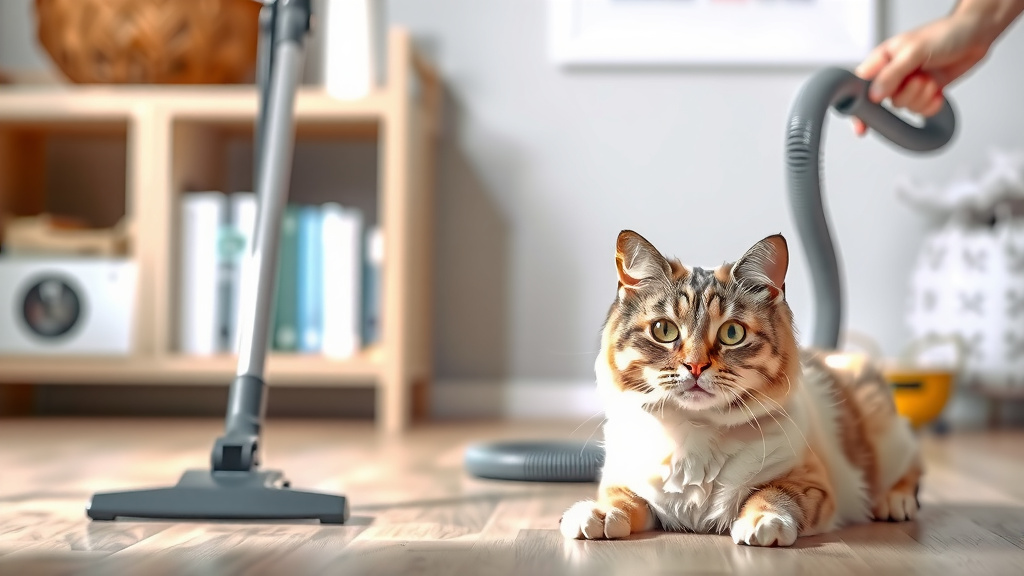
The right vacuum cleaner can transform your cleaning experience. You need something that can handle pet hair effectively. Look for strong suction power and good brush roll design. Many modern vacuums are specifically designed for homes with pets.
Choosing the Right Vacuum Cleaner
We found that vacuums with strong suction are essential for pulling up embedded fur from carpets and upholstery. Models with specialized pet hair attachments, like a mini motorized brush or crevice tool, are also incredibly useful. These can help you tackle stubborn fur on furniture and in tight spots.
Consider the type of flooring you have. Bagged vacuums can be better for allergy sufferers as they trap dust and dander more effectively. Bagless models offer convenience and cost savings. Whatever you choose, make sure it’s easy to maneuver and empty. A heavy, awkward vacuum is less likely to get used regularly.
Essential Vacuum Attachments
Don’t underestimate the power of attachments! The standard floor head is great for open spaces. However, specialized tools can be lifesavers for pet owners. A crevice tool is perfect for getting into the corners of sofas or along baseboards where fur loves to hide. A upholstery tool can quickly clear fur from your cat’s favorite napping spots on furniture.
Many vacuums come with a mini motorized tool designed for pet hair. This is fantastic for stairs, car interiors, and furniture. It works like a miniature upright vacuum on a smaller scale. Regularly cleaning these attachments will also ensure your vacuum performs at its best. Check your vacuum’s manual for guidance on cleaning its parts.
A Quick Checklist for Cat Owners
Here’s a simple checklist to help you get started with your cat-friendly vacuuming routine:
- Schedule at least two full vacuums per week.
- Identify and prioritize your cat’s favorite lounging spots.
- Use a vacuum with strong suction and good filtration.
- Don’t forget to use specialized attachments for furniture and corners.
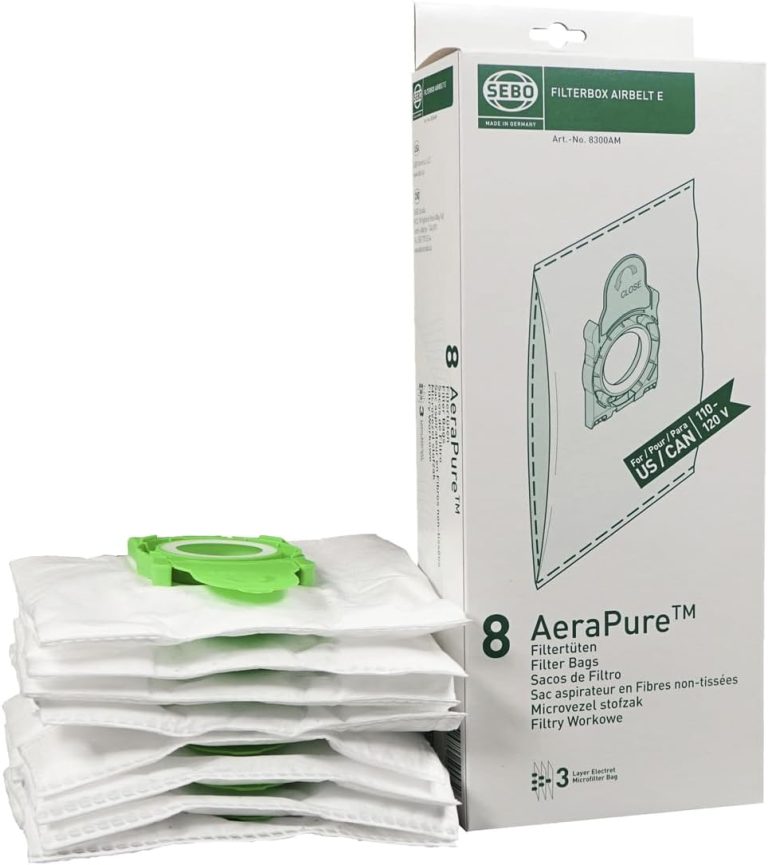
- Empty your vacuum bin or change bags regularly to maintain performance.
- Consider increasing frequency during peak shedding seasons.
Conclusion
Maintaining a clean home with cats is totally achievable with a good vacuuming routine. Remember, aim for at least twice a week as a starting point. You can adjust this based on your cat’s shedding, your family’s allergies, and your cat’s favorite lounging spots. Investing in a good vacuum with strong suction and the right attachments makes a big difference. By staying consistent, you’ll enjoy a fresher-smelling home and fewer allergens. Start by scheduling your next two vacuuming sessions right now!
Frequently Asked Questions
How often should I vacuum if I have multiple cats?
If you have multiple cats, especially those with longer fur or heavy shedding habits, you’ll likely need to vacuum more often. Many owners find that daily vacuuming of high-traffic areas or a full vacuuming every other day is necessary to keep up. Prioritize their favorite spots to manage fur buildup effectively.
Can vacuuming really help with cat allergies?
Yes, regular vacuuming can significantly help reduce cat allergens. Cat dander is a common trigger for allergies, and it becomes airborne and settles on surfaces. Consistent vacuuming removes this dander before it has a chance to accumulate, improving your indoor air quality. Using a vacuum with a HEPA filter is especially beneficial.
What is the best type of vacuum for pet hair?
For homes with cats, look for vacuums with strong suction power and excellent filtration, ideally with a HEPA filter. Vacuums designed for pet hair often come with specialized attachments, like a mini motorized brush or a crevice tool, which are very effective at removing embedded fur from carpets and furniture.
Should I vacuum my furniture too?
Absolutely! Your cat likely spends a lot of time on furniture, making it a prime spot for fur and dander accumulation. Use the appropriate attachments, like an upholstery tool or a mini motorized brush, to effectively clean sofas, chairs, and even your cat’s favorite cozy spots on your bed. Regular furniture vacuuming is key.
How do I deal with litter box tracking?
Litter dust and tracked litter can be a nuisance. Vacuuming around the litter box area frequently is essential. Consider using a large, easy-to-clean mat outside the litter box to catch stray granules. A quick vacuum of this area daily or every other day can make a huge difference in keeping your floors cleaner.


![7 Best Corded Vacuum For Hardwood Floors And Pet Hair [2026]](https://bathroomexplorer.com/wp-content/uploads/2026/05/7-best-corded-vacuum-for-hardwood-floors-and-pet-hair-2026-featured-768x432.jpg)