
How to Find Your Carrier Air Conditioner’s Age
Determining your Carrier air conditioner’s age is usually straightforward. You can find the manufacturing date right on the unit’s serial number tag, often located on the outdoor condenser or indoor air handler. Knowing this date helps you understand its remaining lifespan and potential efficiency.
Why is knowing your AC’s age so important? Older units can become less efficient, leading to higher energy bills and increased repair needs. Many experts agree that understanding your system’s age is key to planning for potential replacements and ensuring your home stays comfortable year-round. It’s a simple check that can save you headaches and money.
- Carrier AC age is found on the serial number tag.
- Look on the outdoor condenser or indoor air handler.
- Age helps predict efficiency and future repair needs.
- Older units often cost more to run.
Let’s walk through exactly how to find that serial number and decode it to reveal your Carrier AC’s age.
Figuring Out Your Carrier Air Conditioner’s Manufacture Date
You’ve got a Carrier air conditioner, and you’re wondering just how old it is. It’s a smart question to ask! Knowing the manufacturing date can tell you a lot about your system. It can hint at its efficiency and when you might need to start thinking about a replacement. We’ll walk you through finding and understanding that date.
Locating Your AC Unit’s Serial Number Tag
Your first step is to find the serial number tag. This little sticker is like a birth certificate for your air conditioner. It holds all the vital information, including the manufacturing date. You’ll typically find this tag on the outdoor unit, also called the condenser. Look for a metal plate or sticker on the side of the cabinet. Sometimes, it might be on the indoor unit (the air handler) as well. So, it’s worth checking both if you can’t find it right away.
The Outdoor Condenser: Your Primary Spot
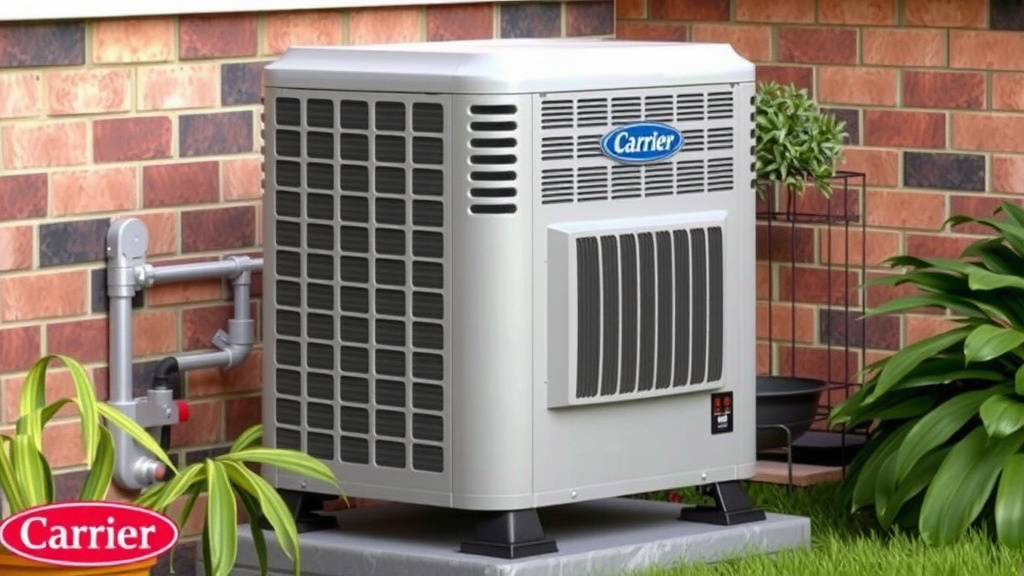
Most often, the serial number tag is attached to the outdoor condenser unit. This is the large metal box that sits outside your home. Open the access panel, or just carefully look around the exterior casing. You should see a label with important details. Make sure the unit is turned off at the breaker for safety before you get too close.
The Indoor Air Handler: A Possible Location
If you’ve searched the outdoor unit thoroughly and come up empty, don’t despair! Some manufacturers place the serial number tag on the indoor air handler. This is the unit that’s usually located in your attic, basement, or a closet. Again, look for a sticker or metal plate on the unit’s exterior. It might be near the filter access or on the main cabinet.
Decoding the Serial Number for Age
Once you’ve found the serial number tag, it’s time for a little detective work. Carrier serial numbers often follow a pattern that reveals the manufacture date. While it can vary slightly between models and production years, there’s a common format. We found that many Carrier serial numbers embed the month and year of manufacture within the first few digits. This can make it surprisingly easy to pinpoint the age.
The Month and Year: Where to Look
Generally, you’ll want to look at the fourth and fifth digits of your Carrier’s serial number. These digits usually represent the month the unit was manufactured. Following those, the sixth and seventh digits often indicate the year. For example, if you see a serial number like ‘ABC123456789′, the ’34’ might represent March, and ’56’ could mean the year 1956. It’s important to note that sometimes, Carrier might use letters to represent months in older models. However, the number format is most common.
Example Scenario: Let’s Crack the Code Together
Imagine your serial number reads: 38ABC123456. We’d focus on those middle digits. If ’12’ represents the month and ’34’ represents the year, your AC unit was manufactured in December of 2034. Wait, 2034? That seems a bit futuristic! You’ll likely see something like ’22’ for 2022 or ’19’ for 2019. Let’s try another: FGHI 0821 JKLM. Here, ’08’ likely means August, and ’21’ indicates the year 2021. So, your AC was made in August 2021. See? It’s like a secret code you can crack!
When Numbers Don’t Seem Right: Older Units and Variations
What if the numbers don’t immediately make sense? For older Carrier units, the coding system might have been a bit different. Some older serial numbers might use a system where the year is represented by the last digit, and the month is part of a sequence. If you’re struggling to decode an older unit, it might be worth contacting Carrier directly or consulting a local HVAC professional. They often have access to databases that can help decipher older model information.
Why Does Knowing Your AC’s Age Matter?
So, you’ve found the age. Great! But why is this information so important for you? Understanding your air conditioner’s age helps you make informed decisions about its maintenance and potential replacement. Many HVAC experts suggest that central air conditioning systems typically last between 10 to 15 years. Knowing yours is approaching or has passed that mark can help you prepare financially and avoid an emergency replacement during the hottest part of summer.
Efficiency and Energy Bills: An Aging System’s Impact
As air conditioners age, they tend to become less efficient. This means they have to work harder and use more energy to cool your home. Research indicates that an older, less efficient AC can significantly increase your monthly electricity bills. Replacing an old unit with a new, energy-efficient model can often lead to substantial savings over time. It’s an investment that pays for itself through lower utility costs, according to the U.S. Department of Energy.
The Lifespan Expectancy of Carrier AC Units
Carrier is a well-respected brand, and their units are built to last. However, no AC system is immortal. As mentioned, the general lifespan for a central air conditioner is around 10 to 15 years. Factors like regular maintenance, climate, and the quality of installation can affect this. If your Carrier unit is over 12 years old, it’s wise to monitor its performance closely. We found that units in this age range are more prone to needing repairs.
Planning for the Future: Maintenance and Replacement
Knowing your AC’s age allows you to plan for the future. If your unit is nearing the end of its typical lifespan, you can start researching new models and getting quotes. This avoids the stress of a sudden breakdown. It also gives you time to find the best deals and schedule installation during the off-season, which can often be more affordable. Regular professional maintenance is also key to extending the life of any AC unit, regardless of its age.
A Quick Checklist for Your AC Age Detective Work
Ready to find out how old your Carrier AC is? Here’s a quick rundown to help you:
- Safety First! Ensure the unit is powered off at the breaker before inspecting.
- Locate the Tag: Check the outdoor condenser first, then the indoor air handler.
- Find the Serial Number: It’s usually a long string of letters and numbers.
- Identify the Month/Year Digits: Focus on the middle digits of the serial number.
- Decode: The fourth and fifth digits are typically the month, and the sixth and seventh are the year.
- Consult if Needed: If you’re stuck, contact Carrier or an HVAC technician.
Conclusion
You’ve successfully learned how to find your Carrier air conditioner’s age by locating and decoding its serial number. This simple step provides essential information about your system’s efficiency and potential remaining lifespan. Knowing if your unit is nearing its typical 10-15 year expectancy helps you plan for future energy costs and potential replacement. Don’t let an aging AC surprise you; use this knowledge to stay ahead of maintenance needs and ensure your home comfort.
Your next step is to check that serial number tag today. This proactive approach can save you stress and money down the road.
Frequently Asked Questions
How do I know if my Carrier AC serial number is from a different decade?
If the year digits in your serial number seem too far in the past (like 1930s or 1940s), it might indicate an older coding system. Some older Carrier units used different formats. Researching your specific model number online or consulting an HVAC professional can help clarify the age of very old units.
Can I find the age of my Carrier AC on the unit itself without the serial number?
While the serial number is the most accurate way, sometimes the unit’s data plate might have a “manufacture date” explicitly listed. However, the serial number is almost always present and contains the hidden date. Always check the serial number tag first for the most reliable information.
What if the month and year digits in my Carrier serial number don’t make sense?
Occasionally, you might encounter unusual number combinations. This can happen with very old units or if there’s a typo on the tag itself. If you’re uncertain, it’s best to contact Carrier customer support with your full serial number. They can often confirm the exact manufacturing date for you.
Does the age of my Carrier AC affect its warranty?
Yes, the manufacturing date is crucial for warranty claims. Most Carrier warranties are based on the installation date, but the manufacturing date helps establish that timeline. If you don’t have proof of installation date, the manufacturing date on the serial number tag is often used as a fallback. Keep records of your purchase and installation.
How often should I have my Carrier AC serviced, especially if it’s older?
Regardless of age, annual professional maintenance is highly recommended for your Carrier AC. For older units, especially those over 10 years old, a yearly check-up is even more important. This helps catch potential issues early, improve efficiency, and extend the system’s lifespan. It’s a small investment for peace of mind.
![7 Best Small Ductless Air Conditioner [2026]](https://bathroomexplorer.com/wp-content/uploads/2026/06/7-best-small-ductless-air-conditioner-2026-featured-768x432.jpg)


![7 Best Extension Cord For Window Air Conditioner [2026]](https://bathroomexplorer.com/wp-content/uploads/2026/06/7-best-extension-cord-for-window-air-conditioner-2026-featured-768x432.jpg)