How Your Pool Vacuum Cleans the Water
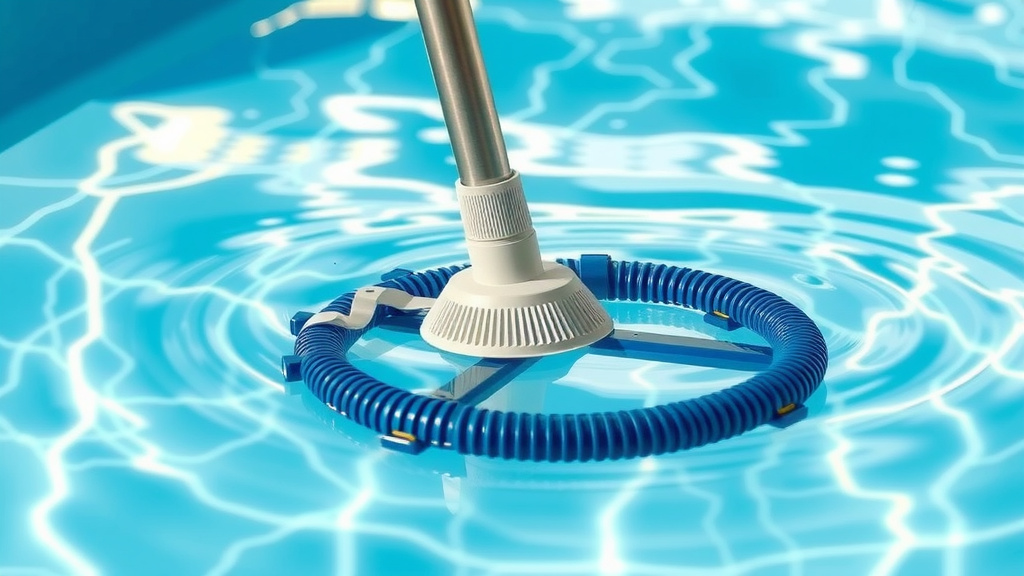
A pool vacuum works by using your pool’s existing filtration system to suck up debris. It connects to your pool’s skimmer or a dedicated vacuum line. This creates suction that pulls dirt, leaves, and other gunk into the vacuum head. The debris then travels through the hose to your pool filter, where it’s trapped. Your filter cleans the water and sends it back into the pool. It’s a clever system for keeping your pool sparkling!
Whether you have an automatic pool cleaner or a manual vacuum, the basic principle is the same. They all rely on water flow to move. This water flow is typically generated by your pool’s pump. The pump is the heart of your pool’s circulation. It pushes water through the filter and out to the pool jets, creating the necessary vacuum power. We found this direct connection makes maintaining your pool much easier.
- Pool vacuums use suction to pick up debris.
- Your pool’s pump and filter system power the vacuum.
- Dirt and leaves are trapped in the pool filter.
- This keeps your pool water clean and clear.
Ready to see how it all comes together? Let’s walk through exactly how your pool vacuum gets the job done, step by step.
Understanding Your Pool Vacuum’s Mechanics
You might be wondering how that simple hose and head manage to keep your pool floor so clean. It’s all about harnessing the power of water and your pool’s own systems. Think of your pool vacuum as an extension of your pool’s plumbing. It doesn’t have its own motor or power source. Instead, it relies on the powerful water circulation created by your pool pump.
The Role of Your Pool Pump
Your pool pump is the absolute workhorse. It’s constantly working to move water through your entire filtration system. When you connect a pool vacuum, you’re essentially adding another path for that water to travel. The pump pulls water from the pool through the skimmer. Then, it pushes that water towards the filter. If a vacuum is attached to the skimmer, the pump also pulls water (and debris!) through the vacuum hose.
Creating Suction Power
This constant pulling action by the pump is what creates the suction you feel at the vacuum head. It’s like a gentle but persistent vacuum cleaner for your pool. The stronger your pump, the more powerful the suction will be. Many experts say that ensuring your pump is running efficiently is key to effective pool cleaning (Pool & Hot Tub Alliance).
Connecting to the System: Skimmer vs. Dedicated Line
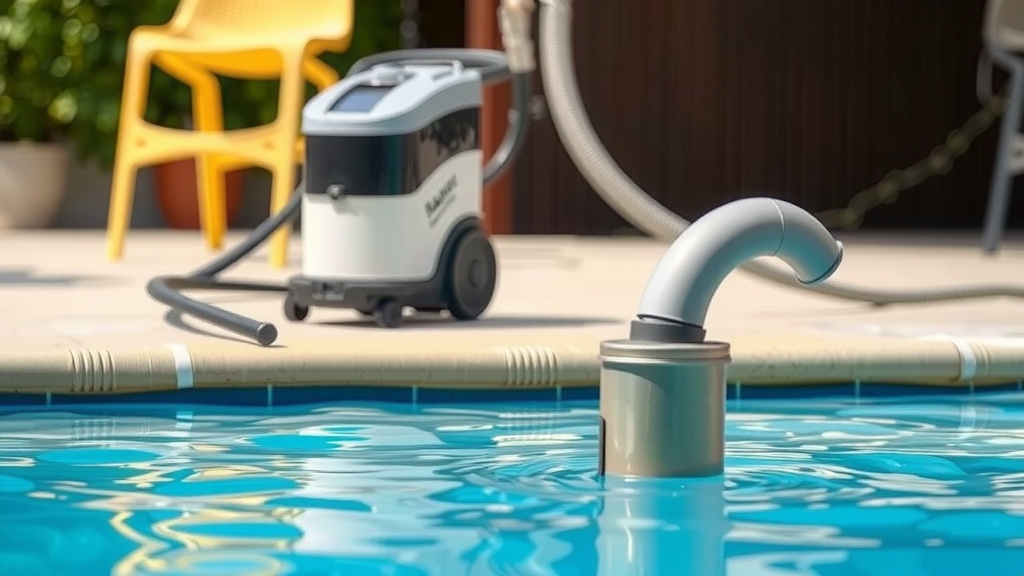
Where you plug in your vacuum makes a slight difference in how it operates. Most people connect their manual vacuum hoses to the pool’s skimmer. This is the basket you usually see floating or attached to the side of the pool. It’s designed to catch larger debris before it reaches the pump basket. When you attach the vacuum hose, it shares this intake with the skimmer. The pump draws water and debris through both.
The Skimmer Connection Explained
When you place the vacuum head on the pool floor, the water and dirt start moving towards it. They travel up the hose and into the skimmer. From there, the pump pulls everything into the main filtration system. We found that this method is generally straightforward and requires minimal setup. It’s the most common way homeowners keep their pools tidy.
Dedicated Vacuum Lines
Some pools have a separate inlet, often called a dedicated vacuum line or vacuum port. This is usually a small plate on the pool wall, typically near the skimmer. It’s designed solely for vacuuming. When you connect your hose to this port, it bypasses the skimmer basket. This means larger debris can go straight to the pump basket or the filter. This can sometimes be more efficient. It also means less chance of clogging the skimmer.
The Journey of Debris: Hose to Filter
Once the debris is sucked into the vacuum head, it travels through the flexible vacuum hose. You’ll notice these hoses are usually quite long. This allows you to reach every corner of your pool. The hose connects to your skimmer or vacuum port. From there, the water and the collected gunk are pulled by the pump.
Entering the Filtration System
The water then moves through your pool’s plumbing. It typically goes through the pump first. After the pump, it heads towards your pool filter. This is where the magic of cleaning happens. The filter is designed to trap particles of dirt, sand, leaves, and other small debris. It acts like a giant sieve for your pool water. Many pool maintenance guides recommend checking and cleaning your filter regularly for optimal performance.
| Step | Action | Location |
|---|---|---|
| 1 | Pump creates suction. | Pool Pump |
| 2 | Water and debris are pulled into the vacuum head. | Pool Floor / Vacuum Head |
| 3 | Debris travels through the hose. | Vacuum Hose |
| 4 | Debris enters the skimmer or vacuum port. | Skimmer / Vacuum Port |
| 5 | Debris is pulled towards the filter. | Pool Plumbing |
| 6 | Debris is trapped by the filter. | Pool Filter |
Types of Pool Vacuums and Their Mechanisms
While the core principle of suction remains the same, different types of pool vacuums have slightly different ways of working. Understanding these can help you choose the best one for your needs. We found that the goal is always the same: efficient debris removal.
Manual Pool Vacuums
These are the ones you manually move around the pool floor. You attach a hose to the vacuum head and connect it to your skimmer. You then guide the head across the pool bottom. The suction from your pump pulls dirt into the hose. This dirt travels to your skimmer and then to your filter. You are essentially controlling the entire cleaning path. Many pool owners find this method gives them the most control over cleaning specific areas.
Automatic Pool Cleaners (Suction-Side)
These are like robotic helpers. They connect to your skimmer or a dedicated vacuum line, just like a manual vacuum. However, they have a “head” that moves on its own. The water flow from the pump not only sucks up debris but also creates a rhythmic “hammering” action. This action moves the cleaner around the pool floor. It randomly bounces off surfaces, covering different areas. We found that these can be a great hands-off solution for regular cleaning.
Automatic Pool Cleaners (Pressure-Side)
Pressure-side cleaners work a bit differently. They connect to a specific return jet, where filtered water is pushed back into the pool. They use this returning water pressure to create suction. Some also have a “sweep hose” that stirs up debris. This makes it easier for the cleaner to pick it up. They often have their own filter bag to catch larger items before they reach your main pool filter. Many experts suggest these can be good for pools with heavy leaf debris (Pool & Hot Tub Alliance).
Robotic Pool Cleaners
Robotic pool cleaners are the most advanced. They have their own internal motor and filtration system. You simply plug them in and drop them into the pool. They don’t rely on your pool’s pump or filter at all. They move independently, often with programmable cleaning patterns. They suck debris into their own onboard filter. We found these offer the most convenience. They can also be very energy efficient compared to relying solely on the pool pump.
Maintaining Your Pool Vacuum System
To ensure your pool vacuum works effectively, a little maintenance goes a long way. Keeping your primary pool systems in good shape is also vital. This includes your pump and filter.
- Check your skimmer basket regularly. Empty it before it gets too full. A clogged skimmer restricts water flow.
- Inspect your vacuum hose for leaks or cracks. Small leaks can significantly reduce suction power.
- Clean your pool filter frequently. A dirty filter can’t process debris efficiently.
- Ensure your pump is running correctly. Listen for unusual noises.
- Check the pool floor and walls for debris buildup.
- Periodically inspect the vacuum head for blockages.
Conclusion
Understanding how your pool vacuum works demystifies pool maintenance. You’ve learned that suction power, driven by your pool pump, is the key. Whether you use a manual vacuum, a suction-side cleaner, or a pressure-side model, your pool’s plumbing and filtration system does the heavy lifting. By connecting to your skimmer or a dedicated line, debris travels through the hose and is trapped by your filter. Keeping your pump and filter in top shape ensures this process runs smoothly. Now that you know the mechanics, you’re better equipped to keep your pool sparkling clean with minimal effort. So, check your skimmer basket and get ready to vacuum!
Frequently Asked Questions
How much suction power does a pool vacuum need?
The suction power needed depends on your pool’s size and the type of debris. Generally, you want enough suction to pick up dirt and leaves effectively without overwhelming your filter. You can often feel if the suction is adequate when vacuuming. A weak pull usually means a blockage or an issue with your pump or filter.
Can I run my pool vacuum without the filter running?
No, you cannot effectively run a pool vacuum without your filter system operating. The vacuum relies on the water flow created by your pool pump, which in turn sends water through the filter. The filter is essential for trapping the debris picked up by the vacuum.
What is the difference between a skimmer and a dedicated vacuum line?
A skimmer is designed to catch larger debris before it enters the pump and filter. When you connect a vacuum to it, the vacuum shares the intake. A dedicated vacuum line bypasses the skimmer, sending debris directly to the pump and filter. This can sometimes be more efficient and prevent skimmer clogs.
How often should I clean my pool filter if I vacuum regularly?
If you vacuum your pool often, especially with a manual vacuum, you’ll likely need to clean your pool filter more frequently. We recommend checking your filter pressure gauge. When it reads about 8-10 PSI above its clean starting point, it’s time for cleaning. This usually means cleaning every 1-4 weeks, depending on debris load.
Can a pool vacuum cause damage to my pool liner?
A properly used pool vacuum should not damage your pool liner. However, if you have a manual vacuum and are too aggressive, or if the vacuum head has rough edges, it’s possible to scuff or tear softer liners. Be gentle and keep the vacuum head moving smoothly across the bottom.
![7 Best Handheld Vacuum For Cars And Pet Hair [2026]](https://bathroomexplorer.com/wp-content/uploads/2026/05/7-best-handheld-vacuum-for-cars-and-pet-hair-2026-featured-768x432.jpg)