How Portable Washing Machines Work: A Simple Guide
A portable washing machine works by using a drum and motor to agitate your clothes in water and detergent, much like a larger machine. You simply add your laundry, water, and soap, then select a wash cycle. The machine then tumbles your clothes to get them clean, and many models include a separate spin cycle to remove excess water. It’s a simple but effective way to do laundry in small spaces.
These compact appliances are perfect for apartments, RVs, dorm rooms, or any place where a full-size washer and dryer just won’t fit. They often require a manual fill and drain, but their small size makes them easy to move and store. You’ll be surprised at how well these little machines can handle your everyday laundry needs. Many research studies highlight their efficiency for single users or small households.
- Portable washers clean clothes using a drum and motor.
- They are ideal for small living spaces.
- You manually add water and detergent.
- A spin cycle removes excess water.
- They offer convenience without needing hookups.
Let’s break down exactly how your portable washing machine gets your clothes clean, step by step.
Understanding How Your Portable Washer Gets Clothes Clean
So, you’ve got a portable washing machine, and you’re wondering what magic happens inside that compact drum. It’s actually quite straightforward!
Your portable washer operates on the same fundamental principles as its full-sized cousins. It uses the mechanical action of tumbling clothes with water and detergent to lift dirt away. The main players are a drum, a motor, and your input of water and soap. Let’s walk through the cycle.
The Core Components and Their Roles
The Drum: Where the Action Happens
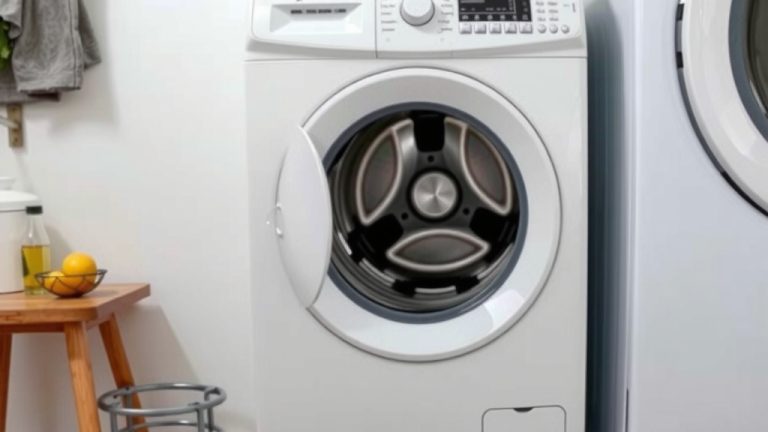
This is the main chamber where your clothes go for their bubbly bath. Unlike giant household machines with complex suspension, portable washers often have a simpler design. The drum spins and tumbles your garments. You’ll typically see small holes to allow water to drain out during the spin cycle.
The Motor: The Engine of Cleanliness
Beneath the drum, a motor powers the entire washing action. It makes the drum rotate back and forth, creating the agitation needed to clean your clothes. This motor is usually quite efficient, designed to work with the smaller capacity of portable machines.
Water and Detergent: The Cleaning Duo
Unlike built-in washers that connect to your plumbing, portable models require your direct involvement here. You’ll need to fill the drum with water and add your chosen detergent. The right amount of detergent is key; too much can lead to excessive suds, making rinsing harder (we’ll get to that!).
The Washing Process: Step-by-Step
Filling the Drum
This is where your involvement begins. You’ll typically connect a hose to a faucet or use a pitcher to fill the machine with water. Many models have fill lines, but you can also eyeball it. Aim for enough water to cover your clothes comfortably. Research suggests that the water level significantly impacts cleaning effectiveness, so don’t skimp too much!
The Wash Cycle: Tumble and Agitate
Once the water and detergent are in, you select your wash cycle. The motor then kicks in. It begins to rotate the drum, moving your clothes around. This tumbling action, combined with the detergent, loosens dirt and stains from the fabric fibers. Think of it like a mini whirlpool for your laundry.
This cycle usually lasts anywhere from 5 to 20 minutes, depending on the setting you choose and the model you have. Many users find that a shorter wash time is perfectly adequate for lightly soiled items.
Draining the Dirty Water
After the wash cycle is complete, the machine needs to get rid of that soapy, dirty water. Some portable washers have a built-in drain pump that expels water through a hose into a sink or bucket. Others require you to manually tip the machine to drain. We found that having a drain hose makes this part much easier and less messy.
The Rinse Cycle: Getting the Soap Out
Clean water is then added to the drum. The motor starts again, tumbling your clothes to rinse away the detergent residue. This step is vital for preventing skin irritation from leftover soap. Most portable washers will perform one or two rinse cycles.
Just like the wash cycle, the rinse involves tumbling. The fresh water circulates through the clothes, carrying away any remaining suds and loosened grime. Again, ensure you have enough water for an effective rinse. Experts note that proper rinsing is crucial for fabric care (CDC).
The Spin Cycle: Removing Excess Water
This is where your portable washer really shines. After the final rinse, the drum spins at a much higher speed. This centrifugal force pushes water out of your clothes and through the holes in the drum. It doesn’t dry your clothes completely, but it removes a significant amount of water, drastically cutting down drying time.
The speed of the spin cycle varies by model. A faster spin means less moisture left in your clothes. This is particularly helpful if you plan to air dry your laundry. Many people find this to be one of the most satisfying parts of the process, seeing how much water can be extracted.
Manual vs. Semi-Automatic Models
It’s helpful to know the two main types of portable washers you might encounter. Understanding the difference can help you manage your expectations and use your machine most effectively.
| Feature | Manual Fill/Drain | Semi-Automatic |
|---|---|---|
| Water Input | You manually add water (hose/pitcher). | You manually add water. |
| Drainage | You manually tip the machine or use a siphon hose. | Usually has a small pump or drain hose for easier removal. |
| Spinning | May or may not have a separate spin dryer basket. | Typically has a dedicated spin cycle for water extraction. |
| Controls | Simpler timers or basic controls. | May offer slightly more program options. |
Most ultra-compact models fall into the manual fill/drain category. Semi-automatic versions often have two tubs – one for washing and one for spinning. Regardless of the type, the basic cleaning mechanism remains the same.
Tips for Optimal Portable Washing
Getting the best results from your portable washer is all about a few smart practices. Here’s a quick checklist:
- Don’t overload the drum; give clothes room to tumble.
- Use the correct amount of high-efficiency detergent.
- Check for stains before washing; pre-treat if necessary.
- Ensure the machine is on a stable surface during the spin cycle.
- Wipe down the machine after use to prevent mildew.
- Air dry or use a separate small dryer for best results.
Following these simple steps will help you keep your clothes looking great and your portable washer running smoothly for a long time.
Conclusion
You’ve learned how your portable washing machine brings the convenience of clean clothes right to your living space. It’s a simple system of drum, motor, and your water and detergent working together. By understanding the fill, wash, rinse, and spin cycles, you can maximize its effectiveness. Remember to avoid overloading and use the right amount of soap for the best results. Ready to tackle that laundry pile? Give your portable washer a try for sparkling clean clothes!
Frequently Asked Questions
Can a portable washing machine wash bulky items like blankets?
Most portable washing machines are designed for smaller loads, so bulky items like thick blankets may not fit or get properly cleaned. Overloading can also strain the motor and prevent effective washing. It’s best to check your machine’s specific capacity guidelines.
How long does a wash cycle typically last on a portable washer?
Wash cycle times can vary depending on the model and selected setting, but they generally range from 5 to 20 minutes. Shorter cycles are often sufficient for lightly soiled clothing. You’ll want to experiment to find the sweet spot for your laundry needs.
Do I need to have a special hookup for a portable washing machine?
No, that’s the beauty of portable washers! They don’t require permanent plumbing hookups. You typically connect them to a standard faucet with an adapter or manually fill them, and drain into a sink or tub.
How do I ensure the water drains properly from my portable washer?
Drainage methods vary. Some models have a pump that pushes water out through a hose, while others require you to manually tip the machine or use a siphon hose. Ensure the drain hose is positioned correctly into a sink or bucket, and that the machine is stable.
Can I use regular laundry detergent in a portable washing machine?
Yes, you can use regular laundry detergent, but it’s highly recommended to use high-efficiency (HE) detergents. These produce fewer suds, which is important in a compact machine to ensure proper rinsing and prevent oversudsing that can make cleaning difficult.