How to Add Water to a Car Battery: A Complete Guide for Every Driver
Have you ever popped open your hood and wondered what all those fluid levels actually mean? Your car battery is like the heart of your vehicle, and just like any living thing, it needs proper hydration to function at its best. Adding water to your car battery might sound intimidating if you’ve never done it before, but I’m here to tell you that it’s one of the easiest maintenance tasks you can tackle yourself. In this comprehensive guide, I’ll walk you through everything you need to know to keep your battery healthy and running smoothly.
Understanding Your Car Battery and Why Water Matters
Let me start by explaining what’s actually happening inside your car battery. Think of it as a chemical power plant that never sleeps. Your battery contains lead plates submerged in a sulfuric acid solution called electrolyte. This combination creates the electrical energy that starts your engine, powers your lights, and keeps your radio playing. Over time, as your battery charges and discharges repeatedly, something interesting happens—water naturally evaporates from the electrolyte mixture.
This evaporation is completely normal. It’s not a sign that your battery is dying; it’s just physics at work. When the water level drops too much, the lead plates become partially exposed to air, which can damage them permanently. That’s why maintaining the proper water level is crucial for extending your battery’s lifespan and ensuring reliable performance.
The Role of Distilled Water in Battery Chemistry
Now, you might be wondering why you can’t just use tap water from your kitchen sink. Here’s the thing—tap water contains minerals and other impurities that can react with the sulfuric acid inside your battery, creating sediment that interferes with the chemical reactions needed to generate electricity. Distilled water, on the other hand, has been purified to remove these contaminants, making it the perfect choice for your battery.
Think of distilled water as the clean slate your battery needs. When you add it, you’re simply replacing the water that evaporated, without introducing any unwanted elements into the equation.
Before You Begin: Safety First
Before we dive into the actual process, let’s talk about safety, because we’re dealing with sulfuric acid here, and that deserves our respect. I always tell people that working on a car battery is safe when you’re prepared and cautious.
Essential Safety Precautions You Must Take
- Wear safety glasses to protect your eyes from potential splashes
- Put on rubber gloves to keep sulfuric acid away from your skin
- Work in a well-ventilated area, preferably outdoors
- Never smoke or use open flames near the battery
- Keep baking soda nearby in case of accidental spills
- Wash your hands thoroughly after completing the task
- Keep children and pets away from the work area
These precautions might seem excessive, but they’re absolutely necessary. Sulfuric acid is nothing to play around with, and proper protection means you can complete this task with complete confidence.
Identifying Whether Your Battery Needs Water
Not every battery needs water added regularly. Modern batteries are different from older ones, and the first step is understanding what type you have.
Sealed vs. Unsealed Batteries: Know the Difference
Older car batteries, and many traditional models still on the road today, have removable filler caps on top. These are called unsealed or flooded batteries, and they’re the ones that need water maintenance. If you look at your battery and see those caps, you’ve got an unsealed battery that might need attention.
Newer batteries, particularly maintenance-free batteries, come sealed and don’t have removable caps. These are designed to hold their electrolyte throughout their entire lifespan without your intervention. If your battery is sealed, you can stop here—there’s nothing you can do to add water, and there’s nothing you should try to do.
Visual Inspection: What to Look For
Assuming you have an unsealed battery, the next step is checking the water level. Most batteries have a translucent plastic casing that allows you to see the electrolyte level inside. Look for the minimum and maximum fill lines marked on the side of the battery.
The ideal level sits right between these two lines. If the water level is below the minimum line, or if you can see the lead plates exposed at the top, it’s definitely time to add water. Some people check their batteries monthly, while others only check them when they notice performance issues like slow cranking.
Gathering Your Materials and Tools
You don’t need a toolbox full of expensive equipment for this job. In fact, I’ve completed this task successfully with just a few basic items.
What You’ll Need to Get Started
- Distilled water (a gallon should last you quite a while)
- Safety glasses
- Rubber gloves
- A funnel (preferably one with a narrow spout)
- A small container for measuring if your funnel isn’t marked
- Paper towels or absorbent cloth
- Baking soda for emergencies
The total investment here is minimal—probably less than you’d spend on a single coffee run. The funnel is especially useful because it prevents spills and makes the water pour directly into the cells without making a mess.
Where to Buy Distilled Water
Finding distilled water is easier than ever. Most auto parts stores keep it in stock, usually near the battery section. You can also find it at grocery stores in the cleaning aisle, at pharmacy sections, and at big-box retailers. If you’re in a pinch, many people keep a gallon at home for various uses, so you might already have some available.
Step-by-Step Process for Adding Water to Your Battery
Alright, let’s get into the nitty-gritty of actually adding water to your battery. I’m going to break this down into manageable steps so you can follow along without any confusion.
Step One: Prepare Your Vehicle and Work Area
Start by turning off your engine and giving it time to cool down. You want to work with a cool battery because the electrolyte inside expands when hot, and adding water to hot electrolyte can cause splashing or overflow. Open your hood and locate your battery.
Make sure you’re working in a well-ventilated area. If you’re in a garage, open the garage doors or doors and windows to allow proper air circulation. This is your safety baseline before touching anything.
Step Two: Put On Your Protective Equipment
Now that you’re ready to work, put on your safety glasses and rubber gloves. This is non-negotiable. You’re about to work with sulfuric acid, and your eyes and skin deserve protection. Take a moment to make sure everything fits comfortably and that you can still work effectively while wearing them.
Step Three: Locate the Filler Caps
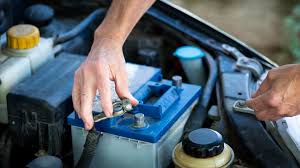
Look at the top of your battery. You should see either six or three removable filler caps, depending on whether you have a 12-volt or 6-volt battery. Most cars use 12-volt batteries, so you’ll likely see six caps. These are usually black or clear plastic, and they may have + and – symbols indicating the polarity underneath.
Some caps come off by simply twisting them counterclockwise, while others are hinged and flip open. Gently remove each cap and set them aside somewhere safe where they won’t get lost or dirty.
Step Four: Inspect Each Cell
Now you can see directly into each cell of your battery. Look at the electrolyte level in each one. You want to see a clear liquid that covers the lead plates inside, with a small space between the liquid and the filler hole.
Here’s something important I’ve learned through experience: check all six cells, because sometimes one cell will be low while others are fine. You want to top off each cell individually rather than assuming they’re all at the same level.
Step Five: Position Your Funnel and Pour Slowly
Place your funnel in the first cell that needs water. This is where patience becomes your best tool. Slowly pour distilled water into the funnel, watching the level rise inside the cell. You want to fill it until the electrolyte just barely covers the lead plates, leaving a small gap between the liquid and the filler hole.
Resist the urge to overfill. Too much water is almost as bad as too little because it can overflow when the battery charges, creating a mess and potentially wasting electrolyte.
Step Six: Repeat for Each Cell
Once the first cell is at the proper level, move on to the second cell and repeat the process. Continue this for all the cells that need water. You might find that some cells don’t need any water at all, and that’s perfectly fine—just skip them and move to the next one.
Step Seven: Replace the Filler Caps
After all cells are topped up, carefully replace each filler cap by twisting it clockwise until it’s snug. Don’t over-tighten them because you might crack the cap or damage the threads. You want them secure enough that they won’t vibrate loose, but not so tight that the next person to open them has a struggle.
Step Eight: Clean Up and Dispose Properly
Wipe down the top of your battery with paper towels to remove any spilled water. If you spilled any electrolyte instead of water, use baking soda to neutralize it before wiping it away. Remove your safety equipment and wash your hands thoroughly with soap and water.
Common Mistakes People Make When Adding Battery Water
I’ve seen people make the same mistakes repeatedly, and I want to help you avoid them. Learning from others’ experiences is always smarter than learning the hard way.
Using Regular Tap Water Instead of Distilled Water
This is the most common mistake I encounter. People think that water is water, but the minerals in tap water will gradually damage your battery. Yes, your battery might work fine for a while, but over time, those minerals build up and create problems. Always stick with distilled water.
Overfilling the Cells
When people add water, they sometimes get carried away and fill the cells beyond the proper level. This causes overflow during charging, which wastes electrolyte and can damage the battery case or corrode nearby components.
Ignoring Sealed Batteries
I’ve seen people try to pry open sealed batteries looking for a way to add water. Don’t do this. Sealed batteries are designed to be maintenance-free, and trying to force them open will just damage your battery and potentially void any warranty.
Neglecting Safety Precautions
Some people skip the gloves and glasses because they think they’re just adding water. But accidents happen, and protection takes only a few seconds to put on. It’s never worth the risk.
How Often Should You Check Your Battery Water Level
This depends on several factors, including your climate, your driving habits, and the age of your battery.
Monthly Checks in Hot Climates
If you live somewhere hot, water evaporates faster from your battery. I recommend checking the water level once a month during summer months. Hot climates can cause evaporation rates to double or triple compared to moderate climates.
Seasonal Checks in Moderate Climates
If your climate is milder, checking every season is usually sufficient. That means checking in spring, summer, fall, and winter. This schedule helps you catch changes before they become problems.
Aging Batteries Need More Attention
As batteries age, they tend to lose water more quickly. If your battery is more than three years old, you might want to increase your checking frequency. Some older batteries need water added every few months.
Signs Your Battery Might Have Deeper Problems
Sometimes, low water levels indicate more serious issues than simple evaporation.
When Water Loss Means Something Else
If you’re adding water constantly—like every week or two—your battery might be overcharging. This can happen when your vehicle’s charging system isn’t regulating voltage properly. If you notice this pattern, get your charging system checked by a mechanic.
Excessive water loss can also indicate a battery that’s reaching the end of its lifespan. If your battery is more than five years old and constantly needs water, it might be time to replace it rather than continuously maintain it.
Alternative: When to Upgrade to a Maintenance-Free Battery
If you’re tired of maintaining your battery’s water level, you have options.
The Benefits of Modern Batteries
Modern maintenance-free batteries are engineered to minimize water loss. They use different materials and design principles that reduce evaporation to nearly zero. When you need a new battery anyway, upgrading to a sealed, maintenance-free model means you’ll never worry about adding water again.
These batteries typically last just as long as traditional batteries, and many people find the peace of mind worth the investment.
Conclusion
Adding water to your car battery is one of those simple maintenance tasks that can make a real difference in your vehicle’s reliability and longevity. You’ve now learned everything you need to know, from understanding why batteries need water to the step-by-step process of adding it safely and correctly. The key takeaways are simple: always use distilled water, maintain the proper level in each cell, prioritize safety with appropriate protective equipment, and check your battery regularly.
Whether you’re a seasoned DIY enthusiast or someone who’s never opened their hood before, this task is absolutely within your capabilities. It takes just a few minutes, costs almost nothing, and can prevent expensive battery replacement down the road. Next time you open your hood, take a moment to check that water level. Your battery will thank you for it.
Frequently Asked Questions
Can I Use Bottled Spring Water or Filtered Water Instead of Distilled Water?
No, you should always use distilled water specifically. Bottled spring water and filtered water still contain minerals that can damage your battery’s internal chemistry. Distilled water has been specially processed to remove virtually all minerals and impurities, making it the only safe choice for battery maintenance. The small cost difference isn’t worth compromising your battery’s health.
What Should I Do If I Accidentally Spill Electrolyte on My Skin?
Immediately rinse the affected area with large amounts of water for at least fifteen minutes. Then wash it with soap and water. If you experience burning that doesn’t subside after rinsing, or if you spilled electrolyte in your eyes, seek medical attention right away. This is why wearing protective equipment is so important—it prevents this situation from happening in the first place.
Is It Normal for a Battery to Lose Water Every Month?
Some water loss is normal, especially in hot climates or if you drive frequently. However, losing enough water to need topping up every month might indicate an overcharging issue or a battery nearing the end of its life. If this happens, have a mechanic check your charging system and battery condition. Occasional water additions are normal maintenance; constant additions might signal a problem.
Can I Add Water to My Battery While the Engine is Running?
You should never add water to a running or hot battery. Always turn off the engine and