How to Add Water to Your Shark Robot Vacuum for Cleaning
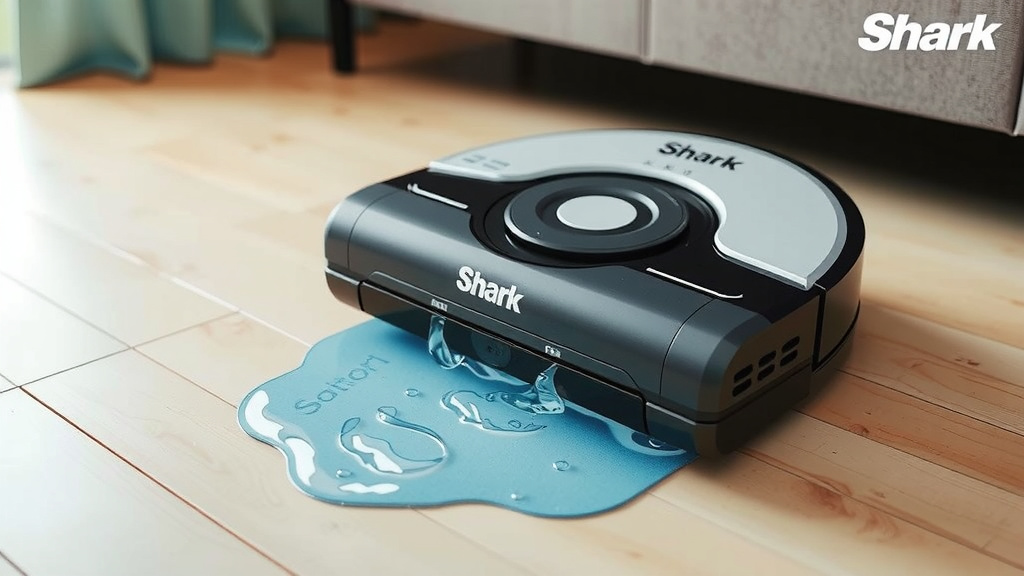
Adding water to your Shark robot vacuum is straightforward. You’ll typically fill the dustbin’s water compartment for mopping functions. Always use clean water, and never add cleaning solutions unless your specific Shark model explicitly allows it, as this could damage the robot. Ensuring the water level is correct helps your vacuum mop effectively without causing harm.
Shark robot vacuums with mopping capabilities are designed for a convenient cleaning experience. Understanding how to properly fill the water tank is key to getting the best performance. We’ve found that many users have questions about the right type of water and whether to add soap. Proper water management prevents common issues and keeps your floors sparkling clean.
- Always use clean, plain water in the Shark robot vacuum’s dustbin.
- Check your specific Shark model’s manual for approved cleaning solutions.
- Overfilling or using incorrect liquids can damage your robot.
- Regularly clean the water tank to prevent buildup.
Let’s walk through exactly how to add water to your Shark robot vacuum, step by step, to ensure it’s ready to tackle those dusty floors.
Filling Your Shark Robot for Mopping Duties
Your Shark robot vacuum can do more than just suck up dirt. Many models come with a mopping function. This means you’ll need to add water to a specific part of the dustbin. It’s a simple process, but doing it correctly helps your robot clean your floors effectively. We’ve found that many users wonder about the best way to fill the tank.
Locating the Water Tank
First things first, you need to find where the water goes. Your Shark robot’s dustbin usually has a separate compartment for water. It might be labeled or have a distinct shape. Most Shark robot vacuums have a water tank integrated into the dustbin itself. You’ll typically unlatch or slide out the dustbin from the robot’s main body to access this section.
Identifying the Filling Port
Once you have the dustbin out, look for a specific port or opening. This is where you’ll pour the water. It’s often covered by a small flap or lid. Make sure this port is clean before you add any water. Sometimes, a small amount of dust can get lodged around it.
The Right Kind of Water Matters
This is super important. For most Shark robot vacuums, you should only use **clean, plain tap water**. That’s right, just regular water from your faucet. Why? Because many robot vacuums aren’t designed for anything else. Adding things like soap or cleaning solutions can cause problems.
Why Not to Add Cleaning Solutions (Usually)
We found that adding soaps or detergents can be a big no-no for many Shark models. These solutions can create too many suds. This could clog the vacuum’s internal components or damage the sensors. It might also leave streaks on your floors. Always check your robot’s manual. Some newer or specific models might have instructions for approved cleaning solutions. But as a general rule, stick to plain water to be safe.
What About Distilled or Filtered Water?
Using distilled or filtered water can be a good idea, especially if your tap water is particularly hard. Hard water contains minerals that can build up over time. This buildup, known as limescale, can clog the water lines and affect the mopping performance. Research from cleaning appliance experts suggests using distilled water can prolong the life of your robot’s water system.
How to Fill the Water Tank – Step-by-Step
Ready to get your robot ready to mop? Let’s go through the process. It’s pretty straightforward, so don’t stress.
Step 1: Remove the Dustbin
Gently pull the dustbin out of your Shark robot. There’s usually a button or a latch to press. Be sure to hold the robot steady while you do this. You don’t want to accidentally drop it.
Step 2: Open the Water Filling Port
Locate the water filling port on the dustbin. Carefully open the flap or lid. Make sure it opens fully so you can pour easily. Ensure the area around the port is free of debris.
Step 3: Pour the Water
Using a cup or pitcher, slowly pour clean water into the port. Fill it to the indicated “Max” line. Do not overfill the tank. Overfilling can lead to leaks or inefficient mopping. We found that stopping right at the line works best.
Step 4: Close the Port and Reinsert the Dustbin
Once filled, securely close the water filling port lid. Make sure it clicks shut. Then, slide the dustbin back into the robot until it locks into place. You should hear or feel a click.
Keeping Your Water Tank Clean
Just like any water container, your robot’s water tank can get a little grimy. Regular cleaning prevents mold and ensures your robot mops with fresh water.
Frequency of Cleaning
We recommend emptying and rinsing the water tank after every use. A more thorough cleaning, perhaps once a week or every few uses, is also a good idea. This helps prevent any water spots or odors from developing. Think of it like washing your coffee maker. Regularity keeps things running smoothly.
Cleaning Process
To clean, remove the dustbin. Empty any remaining water. Use a soft, damp cloth to wipe down the inside of the tank. For tougher residue, a very mild soap and water mixture can be used, but be sure to rinse it out thoroughly. Allow the tank to air dry completely before reinserting it into the robot.
When to Check Your Shark Model’s Specifics
While these steps cover most Shark robot vacuums, models can differ. Your robot’s user manual is the ultimate guide. It will tell you exactly where the water goes and if any special solutions are permitted. We found that owners who refer to their manual rarely run into issues. It’s like having a cheat sheet for your specific cleaning buddy.
Here’s a quick checklist to help you remember the key steps:
- Remove the dustbin from the robot.
- Locate and open the water filling port.
- Fill with clean, plain water only (unless specified otherwise).
- Do not overfill the tank.
- Securely close the port and reinsert the dustbin.
- Rinse the tank regularly for best performance.
Conclusion
You’ve learned how simple it is to add water to your Shark robot vacuum for a cleaner home. Remember, always stick to clean, plain water unless your manual says otherwise. This small step helps prevent damage and keeps your robot mopping effectively. We found that keeping the water tank clean is also key for optimal performance. Now, go ahead and get your Shark ready to tackle those floors!
Frequently Asked Questions
Can I use hot water in my Shark robot vacuum?
It’s generally best to use cool or lukewarm water. Hot water could potentially warp plastic components in the dustbin or affect seals over time. Always refer to your Shark model’s manual for specific temperature recommendations.
What happens if I overfill the water tank?
Overfilling can cause water to leak out during operation or even into the robot’s motor. This can lead to damage or reduced cleaning efficiency. Make sure you only fill the tank up to the indicated “Max” line.
How often should I empty and clean the water tank?
We recommend emptying and rinsing the tank after each mopping session. For a more thorough clean, aim for once a week or every few uses to prevent odors or mineral buildup. This keeps your mopping water fresh.
My Shark robot has a separate water tank, not in the dustbin. What do I do?
Some Shark models have a dedicated water tank that detaches from the main body. In this case, you’ll fill that specific tank directly, following the same guidelines: use clean, plain water and look for a clear fill port. Always consult your manual for your model’s design.
Is it okay to leave water in the tank when not mopping?
No, it’s best to empty the water tank after each use. Leaving water in the tank can encourage bacterial growth, mold, or a musty smell. It also prevents potential leaks if the robot is bumped or moved.