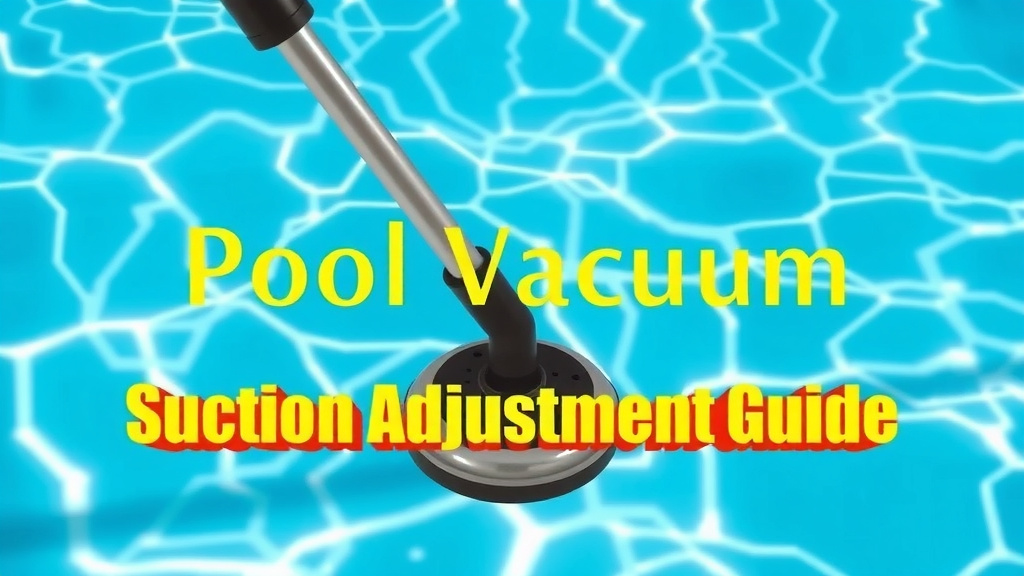
Pool Vacuum Suction Adjustment Guide
Adjusting your pool vacuum’s suction is key to getting a sparkling clean pool. You can often tweak suction by using your skimmer plate’s flow control or adjusting your pool pump’s speed. This simple step helps your vacuum work efficiently without getting stuck or losing too much power.
Getting the suction just right prevents your vacuum from clinging too hard to the pool floor. It also ensures it has enough power to pick up debris. Many pool owners overlook this, leading to frustrating cleaning sessions. We’ll show you how to find that sweet spot.
- Adjust skimmer plate flow for better suction control.
- Lower pump speed if the vacuum is too aggressive.
- Increase pump speed if suction is too weak.
- Check for blockages that might affect suction.
Let’s walk through exactly how to fine-tune your pool vacuum’s suction, step by step, so you can enjoy a cleaner pool with less hassle.
Getting Your Pool Vacuum Suction Just Right
Ever feel like your pool vacuum is either stuck to the bottom like a barnacle or barely moving? You’re not alone! Many pool owners struggle to find that perfect suction level for their automatic pool cleaners. It’s a common issue, but thankfully, it’s usually quite fixable. We’ll guide you through the steps to tune your vacuum’s power so it cleans effectively without causing you a headache. This adjustment is more important than you might think for efficient pool maintenance.
Understanding Pool Vacuum Suction Basics
Before we dive into adjustments, let’s quickly cover why suction matters. Your automatic pool cleaner, whether it’s a suction-side, pressure-side, or robotic model, relies on water flow to move and collect debris. Too little suction means it won’t pick up dirt, leaves, or sand. Too much suction can be just as problematic. It might cause the cleaner to get stuck, lose traction, or even damage your pool’s surfaces. Think of it like trying to drink a milkshake through a straw – you need enough pull, but not so much that you can’t control it!
Why Suction Adjustment is Key
The main goal is to achieve a balanced cleaning experience. You want your vacuum to hug the pool floor enough to suck up debris, but not so tightly that it can’t glide smoothly. We found that many cleaners perform best when they have a moderate, consistent pull. This ensures they cover the entire pool surface without getting bogged down. It also helps prolong the life of your vacuum and your pool’s liner or plaster.
Common Suction Problems and What They Mean
Let’s identify what might be going wrong. If your vacuum is moving very slowly or not picking up much, it likely has insufficient suction. This could be due to a partially closed valve, a clogged filter, or a pump running too slowly. On the flip side, if your vacuum is constantly getting stuck in corners, climbing walls excessively, or making loud banging noises, you probably have too much suction. This usually points to an overly aggressive flow setting or a pump running too fast.
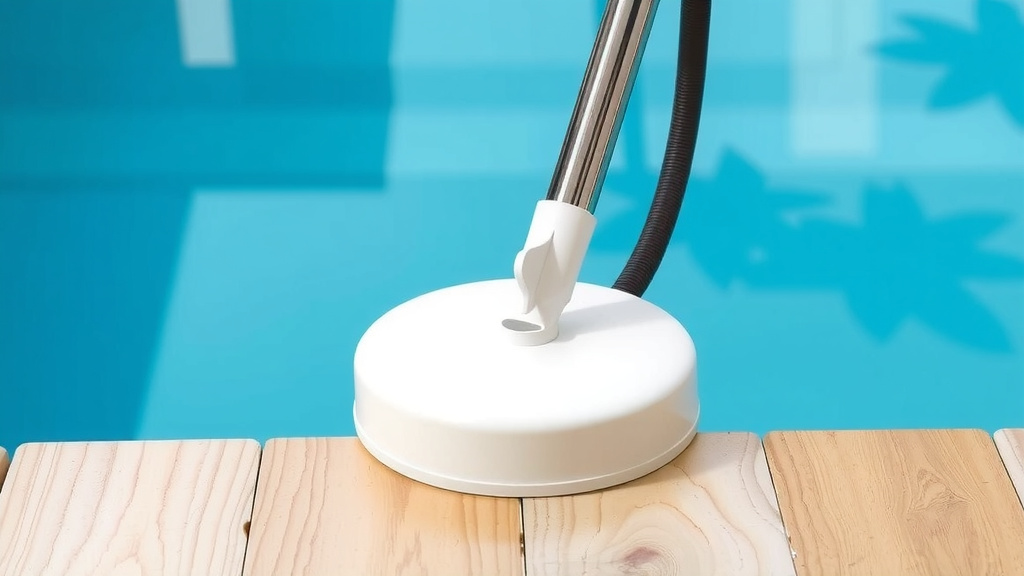
How to Adjust Suction on Your Pool Vacuum
The process for adjusting your pool vacuum’s suction typically involves a few key areas. Most adjustments can be made right at your pool’s plumbing or with simple settings on your equipment. We’ll break down the most common methods for you.
Using Your Skimmer Plate’s Flow Control
Many suction-side pool vacuums connect directly to your skimmer. Inside the skimmer basket, you’ll often find a plate with an adjustable opening or a control dial. This is your primary suction regulator. If your vacuum is too aggressive, you’ll want to close this opening slightly. Turn the dial or adjust the plate to restrict the water flow into the skimmer. Try closing it just a little bit at a time. You should see the vacuum’s behavior change. If the vacuum is too weak, you’ll need to open this up to allow more water flow. Make sure the skimmer basket itself is clean and free of debris, as a full basket can also restrict flow.
Identifying the Flow Control
Look inside your pool’s skimmer where the vacuum hose attaches. You might see a circular disc or a lever mechanism. This component is designed specifically to adjust how much water the vacuum pulls. Some are simple slides, while others are dials that you can twist. If you can’t find one, check your vacuum’s manual; it might be a different type of valve in your plumbing system.
Making the Adjustment
When you make changes, only adjust it a small amount. Wait a few minutes to see how the vacuum performs after each adjustment. A good rule of thumb is to aim for a steady, consistent movement across the pool floor. It should be pulling enough to vacuum effectively but not so much that it’s struggling. Many pool professionals suggest a gentle tugging sensation, not a powerful vacuum cleaner suction.
Adjusting Your Pool Pump Speed
If you have a variable-speed pool pump, this is another excellent way to fine-tune suction. Lowering the pump’s RPM (revolutions per minute) will reduce the overall water flow and, consequently, the suction power to your cleaner. If your vacuum is too strong and getting stuck, try reducing the pump speed. Conversely, if the vacuum isn’t getting enough power, you might need to increase the pump speed. We found that most automatic pool cleaners operate efficiently between 1500 and 2500 RPM, but it really depends on your specific pump and cleaner model.
Understanding Your Pump Settings
Consult your pool pump’s manual to learn how to adjust its speed settings. Most modern variable-speed pumps have digital control panels where you can set specific speeds or programs for different tasks, like filtration or pool cleaning. Ensure you’re not lowering the speed too much, as you still need adequate filtration for your pool water quality. This is according to general pool maintenance guidelines (Pool & Hot Tub Alliance).
Finding the Optimal Pump Speed
Start by lowering the speed gradually. Observe your vacuum cleaner’s performance for at least 15-20 minutes. If it starts to clean effectively and move smoothly, you’ve likely found a good setting. If it’s still too aggressive, lower it more. If it becomes too weak, increase the speed slightly. The goal is to balance cleaning power with smooth operation.
Checking for Blockages and Other Issues
Sometimes, the problem isn’t an adjustment you can make, but rather something that’s blocking the flow. Always ensure your pool’s main filter is clean. A clogged filter severely restricts water flow, impacting all your pool equipment, including the vacuum. Also, check the vacuum hose for any kinks or debris. You can often disconnect the hose and try to blow air through it to clear obstructions. Examine the vacuum head itself for any lodged leaves or twigs.
Skimmer and Pump Basket Checks
The skimmer basket and the pump basket (often called a hair and lint trap) are the first lines of defense against debris. If these are full, they can dramatically reduce suction. We recommend checking and emptying them regularly, especially after windy days or heavy pool use. A clean basket is essential for good water circulation.
Hose and Connection Integrity
Inspect your vacuum hose for any tears or leaks. A damaged hose can lose suction power before it even reaches the vacuum head. Also, ensure all connections are secure, from the hose to the skimmer and any hose weights. A loose connection can create air leaks, weakening the vacuum’s pull. Sometimes, a simple tightening or a new hose is all that’s needed.
Troubleshooting Checklist
Here’s a quick rundown to help you diagnose and fix suction problems:
- Check if skimmer basket is full and clean it.
- Inspect the pump basket and empty if necessary.
- Ensure the skimmer flow control valve is properly adjusted.
- Verify the pool filter is clean and not clogged.
- Examine the vacuum hose for kinks, leaks, or blockages.
- Test different pump speeds if you have a variable-speed pump.
| Symptom | Likely Cause | Potential Solution |
|---|---|---|
| Vacuum too slow/weak suction | Restricted flow (clogged filter, full baskets) | Clean baskets, clean filter, open skimmer valve, increase pump speed |
| Vacuum too fast/stuck | Excessive flow | Close skimmer valve slightly, decrease pump speed |
| Vacuum not moving consistently | Improper balance of suction | Adjust skimmer valve and/or pump speed incrementally |
| Vacuum loud or banging | Too much suction, potential air leak | Reduce suction (skimmer valve/pump speed), check hose connections |
Conclusion
You’ve learned how to fine-tune your pool vacuum’s suction for a cleaner, more efficient pool. By adjusting your skimmer plate’s flow control or your variable-speed pump, you can achieve that perfect balance. Remember, a well-adjusted vacuum prevents damage and cleans better. Don’t let frustrating cleaning sessions keep you from enjoying your pool. Take a moment this week to check your vacuum’s performance and make those simple adjustments for a sparkling clean result.
Frequently Asked Questions
How do I know if my pool vacuum has too much or too little suction?
If your vacuum is moving very slowly, not picking up debris, or seems to be dragging, you likely have too little suction. Conversely, if it’s stuck to the pool floor, climbing walls excessively, or making loud noises, you probably have too much suction. You want it to move steadily and effectively across the bottom.
Can a clogged pool filter affect my vacuum’s suction?
Yes, absolutely. A clogged pool filter severely restricts water flow throughout your system. This will reduce suction to your automatic pool cleaner, making it less effective. Always ensure your filter is clean and properly maintained for optimal performance.
What is the purpose of the flow control on my skimmer plate?
The flow control on your skimmer plate acts as a valve to regulate how much water your suction-side pool vacuum pulls. By adjusting this, you can increase or decrease suction power. Closing it slightly reduces suction, while opening it increases suction.
Is it okay to run my pool pump at its lowest speed for the vacuum?
It depends on your specific equipment and the needs of your pool cleaner. While lowering pump speed can reduce excess suction, you still need enough flow for effective cleaning and proper pool filtration. Check your vacuum and pump manuals for recommended RPM ranges.
How often should I check and adjust my pool vacuum’s suction?
It’s a good idea to check your vacuum’s performance periodically, especially after routine pool maintenance like backwashing your filter or if you notice it acting differently. You might need to make small adjustments seasonally as water temperatures and debris levels change.
![7 Best Dyson Stick Vacuum For Dog Hair [2026]](https://bathroomexplorer.com/wp-content/uploads/2026/05/7-best-dyson-stick-vacuum-for-dog-hair-2026-featured-768x432.jpg)