How to Boil Water Camping: Your Complete Guide to Getting Hot Water in the Wilderness
There’s something magical about camping, isn’t there? The fresh air, the crackling campfire, the sound of nature all around you. But let’s be honest—one of the first things you realize when you’re out in the wilderness is that hot water becomes a precious commodity. Whether you need it for your morning coffee, instant oatmeal, or just to warm up your hands on a chilly evening, knowing how to boil water while camping is an essential skill that can make or break your outdoor experience.
I’ve spent countless nights camping in various terrains and weather conditions, and I’ve learned that boiling water isn’t as straightforward as flipping a switch at home. It requires planning, the right equipment, and understanding the methods that work best for different camping situations. In this guide, I’m going to walk you through everything you need to know about boiling water while camping, from choosing your heat source to troubleshooting common problems.
Understanding Your Heat Source Options for Camping
The foundation of boiling water while camping starts with selecting the right heat source. Think of your heat source as the engine of your camping kitchen—without it, nothing else matters. You have several options, and each comes with its own advantages and limitations.
Campfire: The Traditional Method
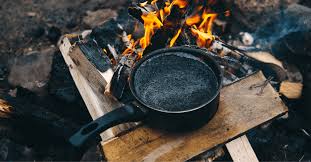
The campfire is the classic heat source, and there’s a reason it’s been used for thousands of years. If you’re car camping or at a campground with established fire rings, a campfire can be incredibly effective. The downside is that you need adequate firewood, dry conditions, and some basic fire-building skills. Open flames can also be unpredictable—sometimes they’re too hot, sometimes they’re too cool, and finding that sweet spot requires patience and experience.
Portable Camp Stoves
Portable camp stoves are my go-to choice for most camping trips. They’re compact, reliable, and give you precise control over heat. You can find them running on butane, propane, or liquid fuel, each with different pros and cons depending on your destination and how long you’re staying out.
Solid Fuel Tablets
If you’re hiking and weight is a concern, solid fuel tablets like Esbit are incredibly lightweight and compact. They burn hot and fast, though they’re not as reliable in extremely windy conditions. They’re like the sprint runners of camping fuels—quick and efficient, but not meant for endurance cooking.
Choosing the Right Containers for Boiling Water
Your container is just as important as your heat source. After all, you need something to actually hold the water while it heats up. Let me break down your options.
Metal Kettles and Pots
Traditional metal kettles and camping pots are reliable workhorses. They distribute heat evenly and can withstand direct flames. Stainless steel is durable, while aluminum heats up faster but can be prone to denting. Look for models with lids—they speed up boiling time by trapping steam.
Camping Kettles with Whistles
These are fantastic if you want an audible signal when your water reaches a boil. The whistle eliminates the guesswork, and honestly, there’s something satisfying about hearing that whistle echo through the campsite. It’s like nature’s way of saying “your water is ready.”
Collapsible Water Containers
For backpacking, collapsible silicone containers are game-changers. They’re lightweight, take up minimal space, and can handle boiling water. However, you’ll need to be careful about direct flame contact—some can’t tolerate direct heat.
Avoiding Common Container Mistakes
- Never use plastic containers directly over flames
- Don’t use containers with plastic handles directly on high heat
- Ensure your container has a secure lid to prevent spills and speed up boiling
- Choose containers sized appropriately for your needs—oversized containers waste fuel
Step-by-Step Process: How to Boil Water at Your Campsite
Now that you understand your options, let me walk you through the actual process of boiling water. This might seem straightforward, but there are nuances that can either waste your fuel or get your water boiling efficiently.
Preparation Phase
Before you even think about heat, you need to prepare. Start by filling your container with water from your source—whether that’s a nearby stream, your camping cooler, or water you’ve brought with you. Make sure you’re using clean water, though you’ll want to filter or treat it afterward if you’re using untreated sources.
Next, position your container on your heat source. If you’re using a campfire, place your pot on a grill grate or use camping tripod system to suspend it over the flames. Make sure it’s stable—the last thing you want is boiling water spilling into your lap.
Heating Phase
Once your setup is secure, increase your heat. If you’re using a camp stove, light it and adjust to a medium-high setting. With a campfire, ensure you have active flames reaching the bottom of your container. If you’re using solid fuel tablets, light them and position your container just above the heat source.
Here’s where patience becomes your virtue. Most water takes between five to fifteen minutes to boil, depending on the amount of water, altitude, and your heat source’s efficiency. At elevation, water boils at lower temperatures, so if you’re camping in the mountains, you might notice it boiling faster but with smaller, less vigorous bubbles.
Recognition Phase
How do you know when your water has reached a rolling boil? Look for consistent, vigorous bubbles breaking the surface continuously. This typically means the water has reached 212 degrees Fahrenheit at sea level. If you’re at elevation, the temperature will be lower, but the water is still suitable for most camping purposes.
Different Camping Scenarios and How to Adapt
One size doesn’t fit all when it comes to camping. Your strategy should change based on where you’re camping and what you’re doing.
Car Camping at an Established Campground
You’ve got the luxury of space and weight isn’t a concern. Bring a quality camping kettle, use your campfire or a two-burner camp stove, and prioritize comfort. This is where you can afford to have backup containers and multiple heat source options.
Backpacking and Hiking
Weight and space are your enemies here. A lightweight camp stove with a small aluminum pot is ideal. Consider a backcountry kettle system specifically designed for hiking. You’re boiling smaller quantities, so efficiency matters more than capacity.
Desert Camping
Firewood is scarce, so a portable stove is almost mandatory. Bring extra fuel since you won’t have the campfire backup. The dry air means your water will evaporate faster, so keep containers covered.
Rainy Weather Camping
This is where camp stoves shine over campfires. A stove can operate even in rain if you set up proper shelter. If using a campfire, you’ll need to work harder to maintain it. Solid fuel tablets are worth their weight in gold during wet conditions.
Maximizing Efficiency: Tips to Boil Water Faster
Time is fuel, and fuel is money. Here’s how to boil water more efficiently.
Use a Lid
Seriously, this is the single most impactful change you can make. A lid traps steam and can reduce boiling time by up to 40 percent. It’s physics, plain and simple.
Start with Warmer Water
If you have hot water from yesterday’s camping stove that’s still in an insulated container, use that as your starting point. You’re cutting out a significant portion of the heating process.
Fill Appropriately
Don’t fill your container to the brim. A container that’s about three-quarters full boils faster than one that’s completely full. It’s a balance between water volume and heating efficiency.
Minimize Wind Exposure
If you’re using a camp stove, create a wind barrier using rocks or a commercial windscreen. Wind can steal your heat and double your boiling time. With a campfire, ensure you’re getting consistent heat without wind blowing the flames around.
Advanced Efficiency Techniques
- Preheat your container by sitting it near (not on) your heat source first
- Use a reflector behind your heat source to redirect heat toward your water
- Bring water to a boil, then reduce heat to a simmer if you don’t need a rolling boil
- Group your water boiling with other cooking to share the heat source
Safety Considerations While Boiling Water at Camp
Hot water demands respect. I’ve seen minor burns and spilled boiling water ruin camping trips that were otherwise perfect.
Burn Prevention
Always keep boiling water away from children and pets. Use pot holders or heat-resistant gloves when handling containers. Never reach across a heat source, and be aware of steam burns—they’re just as painful as direct contact burns.
Stable Setup
Your container should be positioned on a stable surface or secure holder. Uneven ground can cause tipping. If you’re using a tripod system, double-check that it’s locked securely before adding water.
Fire Safety
If you’re using a campfire, keep your setup away from tent fabric and dry vegetation. Have water available to extinguish the fire completely when you’re done. Never leave boiling water unattended—a few minutes of inattention can lead to accidents.
Fuel Safety
If you’re using canisters or liquid fuel, ensure they’re stored away from direct sunlight and heat. Never refuel a stove while it’s hot. Always use fuel in well-ventilated areas.
Troubleshooting Common Boiling Water Problems
Sometimes things don’t go according to plan. Here’s how to solve common issues.
Water Won’t Boil Quickly
Check your heat source—is it actually providing adequate heat? Increase the flame or fuel input. Ensure you have a lid on your container. If you’re at high elevation, remember that water boils at lower temperatures, but it still gets hot enough for most purposes. If you’re just impatient, take a breath—it’ll be ready soon.
Water Boils Over
This happens when you’re not watching closely. Lower your heat slightly once boiling begins, and ensure your container is filled appropriately. You can also place a wooden spoon across the top of the container—it breaks surface tension and prevents boiling over.
Uneven Heating
If using a campfire, adjust the position of your container to find the sweet spot. With a camp stove, make sure the burner is clean and functioning properly. Stir your water occasionally to distribute heat evenly.
Fuel Running Out
This is a planning issue. Always bring more fuel than you think you’ll need. If you’re running low, boil only the water you absolutely need and conserve the rest.
Alternative Methods for Getting Hot Water
Boiling isn’t the only way to heat water, and sometimes alternatives are more practical.
Solar Heating
On sunny days, place a dark container of water in direct sunlight. It won’t reach boiling, but it’ll get warm enough for washing or drinking. This works beautifully in conjunction with other heating methods.
Thermos Systems
Boil your water at the beginning of your trip and keep it in a high-quality thermos. You can use hot water throughout the day without reheating. This is especially useful for multi-day trips.
Hot Rocks Method
An ancient technique—heat rocks in your fire and drop them into a container of water. It’s slower than direct heating but works when you don’t have direct heat options. It’s like nature’s slow cooker.
Conclusion
Boiling water while camping is a fundamental skill that deserves attention and practice. Whether you’re a seasoned outdoors person or a first-time camper, understanding your heat sources, choosing the right containers, and applying efficiency techniques will transform your camping experience. The beauty of camping is that it pushes you back to basics, and mastering something as simple yet essential as boiling water gives you confidence for everything else your adventure throws at you. Start with the method that matches your camping style, practice it on a few trips, and before long, you’ll be producing perfectly hot water without even thinking about it. Your future self will thank you when you’re sipping your morning coffee in the wilderness, knowing you’ve got this fundamental skill locked down.
Frequently Asked Questions About Boiling Water While Camping
How long does it take to boil water while camping at high elevation?
At higher elevations, water boils faster because atmospheric pressure is lower. However, the temperature at which it boils is actually lower than at sea level. At 5,000 feet elevation, water boils at around 202 degrees Fahrenheit instead of 212 degrees. This means your water might boil in seven to ten minutes instead of the typical ten to fifteen minutes at sea level, but you’ll notice smaller, less vigorous bubbles. This temperature is still sufficient for most camping purposes like making coffee, tea, or instant meals.
Can you boil water in a collapsible camping container directly over a flame?
It depends on the specific container. Most modern collapsible silicone camping containers are designed to withstand temperatures up to boiling, but they cannot handle direct flame contact. Instead, place them on a camp stove grate or elevated above the flames using a tripod system. Always check the manufacturer’s specifications before using any collapsible container for boiling water. Silicone containers are fantastic for backpacking and weight-conscious camping, but they require slightly more careful handling than traditional metal pots.
What’s the best fuel type for a portable camp stove if I’m boiling water frequently?
Propane canisters are generally the best choice for frequent water boiling because they’re reliable across various temperatures and altitudes. Butane works well in warm weather but becomes unreliable in cold conditions. Liquid fuel (white gas) is excellent for extended trips and high-altitude camping because it performs consistently in extreme conditions, though it requires more maintenance. For most recreational campers boiling water daily, a simple propane camp stove strikes the perfect balance between ease of use and efficiency. Calculate your needs based on trip length and fuel consumption—typically, one canister boils water for four to six days of regular camping.
Is boiled water from a campfire safe to drink without additional treatment?
Boiling water kills most pathogens and bacteria, making it safer than untreated water from streams or lakes. However, boiling doesn’t remove chemical contaminants, heavy metals, or certain parasites. If you’re using water from an established campground water supply, boiling is typically sufficient. If you’re drawing from natural sources like streams or lakes, you should use additional filtration or chemical treatment in addition to boiling for maximum safety. Many campers use