How to Can Pickles in Water Bath: A Complete Guide to Preserving Your Homemade Pickles
There’s something genuinely satisfying about opening your pantry and seeing rows of jars filled with crisp, tangy pickles that you’ve made yourself. But getting to that point? Well, that requires understanding the right process, and I’m here to walk you through every single step. Water bath canning is one of the most accessible methods for preserving pickles at home, and honestly, once you understand the fundamentals, you’ll wonder why you didn’t start sooner.
In this comprehensive guide, I’ll share everything you need to know about canning pickles using the water bath method. Whether you’re a complete beginner or someone who’s made a batch or two before, you’ll find practical tips and clear instructions that will help you create shelf-stable pickles safely and confidently.
Understanding Water Bath Canning and Why It Works for Pickles
Let me start with the basics. Water bath canning is a preservation method that uses boiling water to seal jars, creating an airtight environment that prevents bacteria and mold from spoiling your food. Now, you might be wondering why this method is particularly suited for pickles specifically.
Here’s the thing: pickles are naturally acidic, whether you’re using vinegar in your brine or relying on fermentation. This acidity is crucial because it prevents the growth of dangerous pathogens like botulism. Water bath canning works perfectly for high-acid foods, and since pickles fall into this category, you don’t need a pressure canner—which makes the whole process much simpler and less intimidating for home cooks.
Why Acidity Matters in Pickle Preservation
Think of acidity as your pickles’ natural bodyguard. When the pH level of your pickle brine is below 4.6, harmful bacteria simply cannot survive. That’s why traditional pickle recipes always include vinegar. The combination of salt, vinegar, and sometimes spices creates an environment that’s genuinely hostile to anything that would ruin your food. This is why water bath canning is safe and effective for pickles—the acidity does the heavy lifting in terms of preservation.
What You’ll Need: Essential Equipment and Supplies
Before you jump into making pickles, let’s talk about what you actually need. I’ll be honest—you probably have most of this already in your kitchen.
The Core Equipment
- A large stockpot or dedicated canning pot (at least 21 quarts in capacity)
- A canning rack or a folded kitchen towel to place on the bottom of your pot
- Glass jars specifically designed for canning (quart-size or pint-size)
- Two-piece canning lids (flat lids and screw bands)
- A jar lifter to safely remove hot jars from boiling water
- A magnetic lid lifter to handle hot lids
- A bubble remover and headspace measuring tool
- A large mixing bowl for preparing your brine
- A ladle for filling jars
Now, do you absolutely need every single specialized tool? Not really. I’ve seen plenty of experienced canners use kitchen tongs instead of a jar lifter. But here’s my honest recommendation: invest in proper canning equipment. It’s inexpensive, it makes the process safer, and it honestly takes a lot of stress out of the whole experience.
Ingredients You Can’t Skip
- Fresh cucumbers (pickling varieties work best, but regular cucumbers work too)
- White vinegar or apple cider vinegar
- Salt (non-iodized, like pickling salt)
- Water
- Spices and seasonings (dill, garlic, peppercorns, mustard seeds, etc.)
Selecting and Preparing Your Cucumbers
Here’s where many people make their first mistake: they don’t give enough thought to their cucumber selection. The type of cucumber you choose directly impacts the quality of your finished pickles.
Choosing the Right Cucumber Variety
Pickling cucumbers are shorter, stubbier, and have thinner skin than slicing varieties. They’re also less watery, which means they’ll stay crunchier after canning. If you’re growing your own or shopping at a farmer’s market, look specifically for pickling varieties. That said, don’t stress too much if all you have are regular cucumbers—they’ll still work, though your pickles might be slightly softer.
The real golden rule? Use fresh cucumbers. And I mean really fresh. The fresher your cucumbers are when you start the canning process, the crunchier your finished pickles will be. Ideally, you want to can them within 24 hours of picking or purchasing.
Washing and Preparing Your Cucumbers
Give your cucumbers a thorough wash under cool running water. You’re trying to remove any dirt or debris, but you’re also gently removing the “bloom” on the cucumber skin—that whitish coating that’s naturally present. Some canners recommend using a soft brush here, and honestly, that’s not a bad idea.
After washing, trim off the blossom end of each cucumber. This end can contain enzymes that promote softening, and removing it helps ensure your pickles stay crisp. You’ll want to keep the stem end intact.
Creating the Perfect Pickle Brine
The brine is truly the soul of your pickles. It’s what transforms ordinary cucumbers into something genuinely delicious.
Understanding Brine Ratios
A basic pickle brine typically consists of water, vinegar, and salt in specific proportions. The most common ratio is roughly 1 part vinegar to 1 part water, with about 10% salt by weight. But here’s what matters more than exact percentages: understanding that the vinegar is what preserves your pickles, the salt enhances flavor and acts as a preservative, and the water is your base.
For a safe, shelf-stable product, you need at least 5% acidity from your vinegar. That’s why using vinegar with 5% acidity (standard white vinegar) is so important—don’t get creative here and use vinegar with less acidity, or your pickles won’t be safe to store at room temperature.
Making Your Brine Step-by-Step
Let me walk you through making a basic brine that yields about 6 pints of pickles:
- Combine 2 cups of white vinegar, 2 cups of water, and 3 tablespoons of pickling salt in a large pot
- Heat this mixture over medium-high heat, stirring occasionally to ensure the salt dissolves completely
- Once the brine comes to a boil, you can add your spices and seasonings
- Let the brine simmer for about 10 minutes to infuse the flavors
- Keep the brine hot on the stove—you’ll use it to fill your jars while it’s still hot
Flavoring Your Pickles
This is where you get to be creative. Classic pickle seasonings include dill (either fresh or dried), garlic cloves, peppercorns, and mustard seeds. Some people add red pepper flakes for heat, others add turmeric for a subtle flavor note. The beauty of homemade pickles is that you can experiment and customize to your taste.
Preparing Your Jars and Lids
Cleanliness is paramount in canning. You’re creating an environment where bacteria can’t survive, and that starts with properly preparing your equipment.
Washing Your Jars
Run your jars through the hot cycle of your dishwasher or wash them by hand in hot, soapy water. Rinse them thoroughly. The jars themselves don’t need to be sterilized for water bath canning—the boiling process will handle that—but they do need to be clean.
For the lids, this is crucial: place them in a small saucepan and cover them with hot (not boiling) water. Let them sit there until you’re ready to use them. This softens the rubber compound on the flat lids so they seal properly when they’re applied to the hot jars.
Why Jar Preparation Matters
Improperly prepared jars can lead to seal failures, which means your pickles could spoil. It’s not that complicated, but it does matter. When you use hot jars filled with hot brine, the transition is smooth and sealing happens properly. Cold jars with hot brine can sometimes cause the glass to crack, and improperly prepared lids might not seal at all.
The Water Bath Canning Process: Step-by-Step Instructions
Okay, here’s where the actual magic happens. I’m going to break this down into manageable steps so you can follow along confidently.
Setting Up Your Canning Pot
Fill your large canning pot about halfway with water. Place the canning rack on the bottom of the pot. This rack keeps your jars off the direct heat of the pot’s bottom, preventing them from cracking. If you don’t have a rack, a folded kitchen towel works perfectly fine. Bring this water to a boil while you’re preparing your jars and brine.
Packing Your Jars
Here’s where patience matters. Take one hot jar and place it on a clean towel or canning mat. This prevents it from rolling around and makes the whole process less stressful.
Place your spices and seasonings in the bottom of the jar—typically a few garlic cloves, some dill, peppercorns, and maybe a mustard seed or two. Then pack your cucumbers into the jar. You can stand them upright or pack them in however they fit best. The goal is to pack them reasonably firmly but not so tight that the brine can’t circulate.
Filling with Brine
Using your hot ladle, carefully pour the hot brine over your cucumbers. Here’s something important: you need to leave headspace at the top of the jar. For pickles, a half-inch of headspace is standard. This is the space between the top of the brine and the rim of the jar. Why does this matter? It allows for expansion when the jars are processed and helps create a proper seal.
Use your bubble remover tool—or honestly, just a clean chopstick or butter knife—to slide around the inside of the jar between the cucumbers and the glass. This removes any air bubbles trapped in the brine.
Applying the Lids
Wipe the rim of your jar with a clean, damp towel. Any residue here can prevent a proper seal. Take a flat lid from the hot water with your magnetic lid lifter and place it on the jar. Then screw a band onto the jar, tightening it just until it’s snug. Don’t overtighten—your lid needs to be able to move slightly during processing.
Processing in the Water Bath
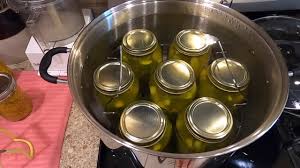
Using your jar lifter, carefully place each filled jar onto the rack in your boiling water. The water should cover the jars by about an inch. If you need to add more water to reach this level, do it before you place all your jars in. Once all your jars are in the pot, bring the water back to a rolling boil.
Process your pint jars for 15 minutes at a rolling boil. If you’re using quart-size jars, process them for 20 minutes. This processing time assumes you’re at sea level; if you’re at a higher altitude, add additional time according to canning guidelines.
Cooling and Sealing
After the processing time is complete, turn off the heat and let the jars sit in the water for five minutes before removing them. Then, using your jar lifter, carefully remove the jars and place them on a clean towel or cooling rack. Leave them undisturbed for at least 12 hours.
As the jars cool, you’ll likely hear a satisfying “pop” sound as the lids seal. This is the sound of success—it means the seal is forming. Don’t touch or tighten the bands. Just let them cool completely.
Checking Your Seals and Storing Your Pickles
After 12 hours of cooling, it’s time to check whether your jars sealed properly. Press the center of each lid with your finger. If it’s flat and doesn’t move, congratulations—it’s sealed. If it flexes or makes a popping sound, that jar didn’t seal, and you have a few options: refrigerate that batch and use it within a few weeks, or reprocess it (though this requires fresh lids).
Proper Storage Conditions
Store your sealed jars in a cool, dark place. A pantry, basement, or cupboard works beautifully. The darker the location, the better—light can fade color over time. Properly canned pickles will stay shelf-stable for up to a year, though they’re usually best eaten within six months for optimal crispness and flavor.
Troubleshooting Common Pickle Canning Problems
Let’s talk about what can go wrong, because understanding potential issues helps you avoid them.
Soft or Mushy Pickles
This usually happens because your cucumbers were too old when you canned them, or you didn’t remove the blossom end. It can also happen if your brine wasn’t acidic enough. Always use fresh cucumbers and follow the brine recipe precisely.
Jars That Won’t Seal
Unsealed jars are usually caused by improper jar rim cleaning, defective lids, or overtightening the bands. Make sure to wipe your rims thoroughly before applying lids, and only tighten bands until they’re snug—not tight.
Cloudy Brine
This is usually just sediment from your spices and doesn’t indicate spoilage. However, if your pickles smell off or the jars didn’t seal, don’t eat them. When in doubt, throw them out.
Tips for Canning Success
Let me share some hard-earned wisdom that will help you create consistently excellent pickles.
- Always follow tested recipes from reliable sources like the National Center for Home Food Preservation. Canning is one area where experimentation with proportions isn’t safe.
- Keep meticulous notes about what you made, when you made it, and how it turned out. This helps you perfect your process over time.
- Don’t skip the cooling time. Patience here prevents seal failures.
- Invest in fresh spices. Old, stale spices produce duller flavors in your pickles.
- If you’re canning at altitude, adjust your processing time accordingly. Your local cooperative extension office has specific guidelines.
- Remove the bands after your jars have cooled completely. This helps you identify any jars that might reseal spontaneously and also prevents rust.
Making Different Varieties of Pickles
Once you’ve mastered basic dill pickles, you might want to experiment with other varieties.
Bread and Butter Pickles
These are sweeter than dill pickles and include onions and mustard seeds in the brine. They’re delicious on hot dogs and