How to Change Temp on Water Heater: A Complete Step-by-Step Guide
Have you ever jumped into the shower only to discover that the water is either scalding hot or disappointingly cold? If so, you’re not alone. Many homeowners struggle with water temperature issues, and the solution might be simpler than you think. The thermostat on your water heater is your gateway to comfort, and learning how to adjust it can save you money, extend your appliance’s lifespan, and improve your daily comfort. In this comprehensive guide, I’ll walk you through everything you need to know about changing the temperature on your water heater.
Understanding Your Water Heater and Why Temperature Matters
Before we dive into the how, let’s talk about the why. Your water heater is like the heart of your home’s comfort system. It works around the clock to keep your water at just the right temperature. But here’s the thing: not everyone needs the same temperature setting. A family with young children needs different settings than a household of adults, and that’s perfectly normal.
Temperature adjustment isn’t just about comfort—it’s also about safety and efficiency. Setting your water heater too high can lead to scalding accidents, especially for children and elderly family members. On the flip side, keeping it too low might not kill bacteria effectively. The sweet spot usually falls somewhere in the middle, and I’ll help you find it.
Types of Water Heaters and Their Controls
Traditional Tank Water Heaters
Traditional tank water heaters are the most common type you’ll find in homes across the country. These systems store hot water in a large insulated tank and maintain it at a set temperature. The thermostat control is typically located on the outside of the tank, either at the bottom or the side, depending on the manufacturer and model.
Tankless Water Heaters
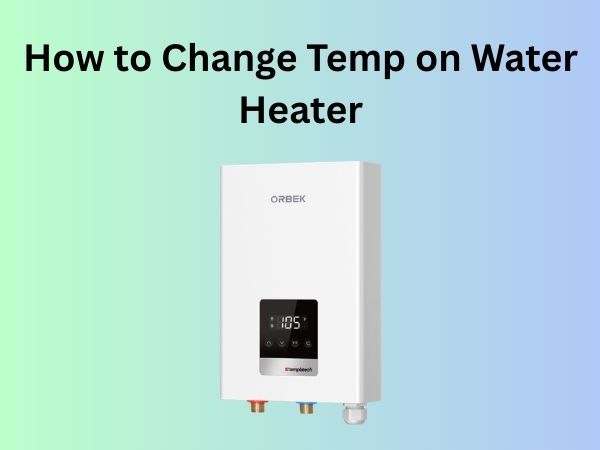
Tankless water heaters work differently. They heat water on demand as it flows through the unit, rather than storing it. These systems often have digital displays and controls, making temperature adjustments slightly different from traditional tanks. If you own a tankless system, don’t worry—I’ll cover that too.
Heat Pump Water Heaters
Heat pump water heaters are a newer, more energy-efficient option. They work by extracting heat from the air and using it to warm your water. These units may have different control mechanisms than traditional tanks, but the basic principle remains the same.
Finding Your Water Heater’s Thermostat
Location of the Thermostat Control
The first step in adjusting your water heater’s temperature is actually finding the thermostat. In most traditional tank water heaters, you’ll locate a dial or knob on the outside of the tank. Some units have the thermostat positioned near the bottom of the tank, while others place it on the side. If you have an electric water heater, you might have two thermostats—one for the upper heating element and one for the lower element.
Take a moment to look around your water heater. You’re looking for a knob, dial, or digital display. Once you find it, note the current setting. This will be helpful if you need to revert to the previous temperature.
Identifying Different Control Types
Water heaters come with different types of controls, and it’s important to know which one you have:
- Dial controls: These are analog dials with temperature markings, usually ranging from low to high or specific temperature values
- Digital displays: Modern units often feature LED or LCD screens showing the exact temperature in Fahrenheit or Celsius
- Push-button controls: Some units use buttons for increasing or decreasing temperature incrementally
- Mechanical switches: Older models might have simple on-off switches
Safety Precautions Before You Begin
Essential Safety Steps
Before you make any adjustments, let’s talk safety. This is crucial, and I want to make sure you’re protected. First, turn off the power to your water heater. If it’s a gas unit, locate the pilot light and ensure it’s functioning properly. If it’s electric, switch off the breaker at your main electrical panel.
Wait about 10 to 15 minutes for the unit to cool down slightly. This isn’t just about comfort—it’s about protecting yourself from accidental burns or shocks. Never adjust the thermostat while the system is actively heating, as you could trigger unexpected temperature fluctuations.
Protective Gear and Equipment
While adjusting most thermostats doesn’t require special equipment, it’s wise to have a few things handy. A pair of work gloves can protect your hands from any sharp edges on the tank. A screwdriver might be necessary if your thermostat has a protective cover that needs removal. A thermometer will help you verify temperature changes later.
Step-by-Step Guide to Adjusting Your Water Heater Temperature
For Traditional Tank Water Heaters with Dial Controls
If you have a standard tank water heater with a dial control, the process is straightforward. First, examine the dial closely. You’ll see markings indicating temperature ranges. Most dials display temperatures from 100°F (37°C) to 150°F (65°C), though some might extend beyond this range.
Here’s where the adjustment happens: Simply turn the dial to your desired temperature. If you want to increase the temperature, turn the dial clockwise. To decrease it, turn counterclockwise. The beauty of dial controls is their simplicity—there’s no guesswork involved.
After making your adjustment, wait about two hours before testing the water temperature. This gives the heating elements time to adjust and stabilize at the new setting. Run hot water from a faucet into a glass and use a kitchen thermometer to check the actual temperature. This verification step ensures your adjustment worked as intended.
For Digital Display Water Heaters
Digital controls offer more precision and often display the exact temperature. Look for buttons labeled with + and – symbols or arrows. Some units have up and down arrow buttons, while others might have separate buttons for increment and decrement.
Press the appropriate button to increase or decrease the temperature in one-degree increments. Most digital systems display the change in real-time on the screen. Some advanced models allow you to select the exact temperature using a keypad. Always confirm the displayed temperature matches your desired setting before walking away.
For Tankless Water Heaters
Tankless water heaters typically have digital panels on the unit itself or a separate remote control. If yours has a remote, you’re in luck—adjustment is even easier. Simply use the remote to navigate to the temperature setting menu and adjust as needed.
If there’s no remote, locate the control panel on the unit. This usually features a small screen and several buttons. Access the menu (often by pressing a dedicated “menu” button) and navigate to the temperature setting. Use the arrow buttons to increase or decrease the temperature, then confirm your selection. The system usually saves your preference automatically.
Understanding Ideal Temperature Settings
Recommended Temperature Range
The Environmental Protection Agency (EPA) recommends setting your water heater to 120°F (48.9°C). This temperature provides a good balance between comfort, energy efficiency, and safety. At this temperature, you’re unlikely to experience scalding, yet the water is hot enough for most household needs.
However, your ideal temperature might differ based on your specific circumstances. Do you have young children or elderly family members? Consider a slightly lower setting, around 115-120°F. Do you struggle to feel hot water during shower time? You might prefer 125-130°F. The key is finding your personal sweet spot.
Temperature Considerations for Different Households
Different situations call for different temperatures. If you have a dishwasher, especially an older model, it might perform better with water at 130°F or higher. Some dishwashers have built-in heaters that can compensate for lower incoming water temperature, so check your appliance’s manual.
Parents of toddlers often prefer slightly lower temperatures for safety. Seniors might appreciate warmer water due to poor circulation or arthritis. If you have someone immunocompromised in your household, higher temperatures help eliminate bacteria more effectively. Consider everyone’s needs when setting your thermostat.
What to Expect After Temperature Adjustment
Timeline for Temperature Changes
Here’s what happens after you adjust the thermostat: The heating elements spring into action (or reduce their efforts, depending on whether you raised or lowered the temperature). The new temperature setting becomes the target, and the system works to reach it. This process isn’t instantaneous.
If you lowered the temperature, you might see changes relatively quickly—within 30 minutes to an hour. The heating elements simply work less intensively. If you raised the temperature, it might take 2 to 4 hours for the entire tank to reach the new target temperature, depending on tank size and heating power.
Monitoring Your Water Temperature
After making adjustments, monitor your water temperature for several days. This gives you accurate feedback on whether your new setting meets your needs. Pay attention to shower temperature, the speed at which water heats up, and whether your hot water supply lasts as long as you’d like.
If you’re still not satisfied after a week, make another small adjustment. Remember, you can always fine-tune until you achieve perfection.
Common Mistakes to Avoid When Adjusting Water Heater Temperature
Overshooting Your Target Temperature
One mistake many people make is setting the temperature too high right away. They think that higher is always better, but excessive heat can actually be problematic. Water above 140°F poses a serious scalding risk, especially for children and the elderly. Additionally, extremely hot water can damage your plumbing pipes and increase energy consumption unnecessarily.
Ignoring Manufacturer Recommendations
Your water heater’s manual contains valuable information specific to your unit. Some models have preset ranges or particular instructions for temperature adjustment. Ignoring these could void your warranty or damage your system. Always consult your manual before making significant changes.
Making Multiple Adjustments Too Quickly
Patience is essential here. Making multiple adjustments in quick succession prevents you from accurately assessing how each change affects your actual hot water experience. Give each adjustment at least 24 to 48 hours to fully take effect before making the next one.
Energy Efficiency and Cost Savings
How Temperature Affects Your Utility Bills
Here’s something that might surprise you: every 10°F reduction in water heater temperature can reduce your energy consumption by approximately 3-5%. This might not sound like much, but over a year, it can translate to significant savings on your utility bills.
Lowering your thermostat from 140°F to 120°F can save you hundreds of dollars annually, depending on your local energy rates and hot water usage. This is why the EPA’s recommendation of 120°F is so practical—it’s the sweet spot for most households.
Long-Term Cost Implications
Beyond immediate utility savings, proper temperature management extends your water heater’s lifespan. Operating at excessively high temperatures puts unnecessary stress on the system, causing components to wear out faster. By maintaining an optimal temperature, you’re investing in your appliance’s longevity.
Troubleshooting Temperature Issues
Water Not Getting Hot Enough
You’ve adjusted the thermostat, waited patiently, but your water still isn’t reaching the desired temperature. Several things could be happening. First, verify that you adjusted the correct thermostat. If your water heater is electric with two thermostats, both need to be set to the same temperature for optimal performance.
Second, check if the thermostat dial has a protective cover. Sometimes these covers get stuck or aren’t properly seated, preventing the thermostat from communicating with the heating elements. Also, examine the heating elements themselves—if they’re heavily calcified due to hard water, they might not function efficiently.
Temperature Fluctuations
If your water temperature keeps changing unpredictably, the thermostat itself might be malfunctioning. Thermostat failure is common in older water heaters. You might need to replace it, which is a relatively inexpensive fix compared to replacing the entire unit.
Water Getting Too Hot Despite Lower Settings
Conversely, if water is too hot despite setting the thermostat lower, the thermostat might be stuck in the raised position or the dial might not be properly engaged. Try adjusting it several times to ensure it’s registering your changes. If the problem persists, replacement is likely necessary.
When to Call a Professional
Signs You Need Expert Help
While temperature adjustment is straightforward for most homeowners, some situations require professional intervention. If you’ve adjusted the thermostat multiple times and see no change, or if you notice leaking water around the thermostat area, call a professional plumber.
If your water heater is still under warranty and acting strangely, contact the manufacturer before attempting repairs. Unauthorized modifications might void your coverage. Additionally, if you notice rust, unusual noises, or a burning smell, these indicate serious issues beyond simple thermostat adjustment.
Special Considerations for Different Seasons
Winter Temperature Adjustments
During colder months, the incoming water temperature is significantly lower than in summer. You might notice that your usual setting doesn’t provide the same results. This is completely normal. Your water heater needs to work harder during winter because it’s heating water that starts at a much lower temperature.
You might consider raising your thermostat slightly during winter months, then lowering it again when warmer weather arrives. This approach maximizes comfort while maintaining energy efficiency year-round.
Summer and Vacation Considerations
During summer, when you might use less hot water, consider lowering your thermostat to save energy. If you’re going on vacation, some experts recommend setting the temperature to the lowest practical setting to conserve energy while you’re away. However, don’t set it too low—you still want it functional when you return.
Conclusion
Learning how to change the temperature on your water heater is a simple yet powerful way to take control of your home’s comfort and energy efficiency. Whether you’re dealing with a traditional tank heater or a modern tankless system, the principles remain the same: locate your thermostat, understand your controls, and make adjustments based on your household’s needs.
The recommended 120°F setting is an excellent starting point for most families, offering a balance between comfort and safety. However, don’t hesitate to adjust based on your personal preferences and circumstances. Remember to allow sufficient time for changes to take effect, and always prioritize safety by turning off power before making adjustments.
With the knowledge you’ve gained from this guide, you’re now equipped to optimize your water heater for maximum comfort and efficiency. Take control of your hot water experience today, and enjoy the benefits of perfectly tempered water while saving money on your energy bills. Your future self will thank you for this simple but impactful adjustment.
Frequently Asked Questions
What is the ideal temperature for a water heater, and why is it recommended?
The EPA recommends setting your water heater to 120°F (48.9°C). This temperature provides an optimal balance between comfort, energy efficiency, and safety. At this setting, you minimize the risk of scalding injuries while