How to Check Fluoride in Water at Home: A Complete Guide
Introduction to Fluoride in Water
Have you ever wondered what’s really in your tap water? If so, you’re not alone. Millions of people worldwide are becoming increasingly curious about the quality and composition of their drinking water, and fluoride is one element that often comes up in conversations. Fluoride, a naturally occurring mineral, has been added to water supplies in many countries for decades, primarily to support dental health and reduce tooth decay. But here’s the thing—not everyone feels comfortable with this practice, and that’s completely valid.
Whether you’re skeptical about fluoridated water, concerned about your health, or simply want to know what you’re drinking, learning how to check fluoride levels in your water is empowering. The good news? You don’t need to be a scientist to do this. I’m going to walk you through everything you need to know about testing fluoride in your home water supply.
Why You Might Want to Test Your Water
Health Concerns and Personal Preferences
Let me be honest—there are legitimate reasons why someone might want to test their water for fluoride. Some people worry about consuming too much fluoride, especially those with young children who are more sensitive to its effects. Others prefer to make informed decisions about what they’re putting into their bodies. Then there are individuals living in older homes with aging pipes who wonder about water quality in general.
The bottom line is this: your water matters, and you have every right to know exactly what you’re drinking. Whether you’re building a health-conscious lifestyle, managing a specific medical condition, or just satisfying your curiosity, testing your water is a practical step toward taking control of your wellness.
Environmental and Community Awareness
Beyond personal health, some folks want to understand their community’s water treatment practices. Are they drinking naturally fluoridated water, or is fluoride being added? How much is considered optimal? These questions deserve answers, and testing helps you get them.
Understanding Fluoride Levels
What Are Normal Fluoride Concentrations?
Before you start testing, you should know what you’re looking for. The Environmental Protection Agency (EPA) sets the maximum contaminant level for fluoride at 4 milligrams per liter, or 4 mg/L. This is the threshold above which fluoride might cause dental fluorosis or other health concerns. However, the recommended level for dental health benefits sits at about 0.7 mg/L—much lower than the maximum allowed.
Natural water sources can contain fluoride anywhere from 0.1 mg/L to several milligrams per liter, depending on geography and geology. In areas where water is artificially fluoridated for public health, you’ll typically find levels around 0.7 to 1.0 mg/L.
Why These Levels Matter
Think of fluoride like a medication—the right dose does something beneficial, but too much can be harmful. That’s why understanding these concentration levels is crucial. Optimal fluoride supports tooth enamel strength and prevents cavities. Excessive fluoride, on the other hand, can lead to dental fluorosis, a cosmetic condition that creates white spots or streaks on teeth.
DIY Testing Methods: What Actually Works
Fluoride Test Strips
If you want a quick, affordable way to check fluoride at home, test strips are your friend. These colorimetric strips work by changing color when exposed to fluoride, and you compare the resulting color to a chart provided in the kit. They typically cost between five and fifteen dollars.
Here’s the honest truth, though: test strips give you a general idea of whether fluoride is present, but they’re not super precise. They’re excellent for a ballpark estimate, especially if you’re just trying to determine whether your water is fluoridated at all. However, if you need exact measurements, you might want to consider something more sophisticated.
Digital Fluoride Meters
Want more accuracy? Digital meters use electrical conductivity or ion-selective electrode technology to measure fluoride concentration with greater precision. These devices are pricier—usually ranging from fifty to several hundred dollars—but they deliver results that are significantly more reliable than test strips.
The downside? They require more technical knowledge to use properly, and they need occasional calibration to maintain accuracy. If you’re someone who plans to test water regularly, though, investing in a quality digital meter might be worthwhile.
At-Home Liquid Test Kits
Another option is liquid reagent kits. These work by adding a chemical reagent to your water sample, which reacts with fluoride to produce a color change. You then compare this color to a reference chart. While more involved than test strips, liquid kits often provide better accuracy and are usually moderately priced.
Professional Testing Options
Water Testing Laboratories
If you want definitive, scientifically accurate results, a professional lab is your best bet. Many certified water testing laboratories can analyze your water sample for fluoride and provide detailed reports. You’ll typically need to collect a sample according to their instructions and mail it in.
Yes, it costs more—usually between thirty and seventy-five dollars—but you get laboratory-grade accuracy and a professional interpretation of your results. Plus, most labs test for multiple contaminants simultaneously, giving you a comprehensive picture of your water quality.
Your Local Water Utility
Here’s something many people don’t realize: your water utility company is required by law to provide you with information about your water’s composition. Many utilities offer free testing or can tell you the exact fluoride concentration in your tap water. Give them a call or check their website—you might get your answer without spending a dime.
Health Department Resources
Your local or state health department often provides water testing services. Some departments do this free of charge, while others charge a nominal fee. These are legitimate, trustworthy sources of information, and they’re definitely worth contacting.
Tools and Equipment You’ll Need
Essential Supplies for Home Testing
Whether you’re using test strips or a digital meter, you’ll need a few basic items:
- Clean, sterilized collection bottles or containers
- Your chosen testing kit or meter
- Distilled water for rinsing equipment
- Gloves and possibly safety glasses
- A thermometer if temperature affects your test
- Detailed notes or a testing log
- The instruction manual for your specific testing product
I can’t stress enough how important it is to use clean equipment. Any contamination can skew your results and give you inaccurate information about your water quality.
Step-by-Step Testing Process
Preparing Your Sample
First things first—preparation is everything. Start by running your tap water for about two to three minutes to flush out any water that’s been sitting in your pipes overnight. This ensures you’re testing fresh, representative water rather than stagnant water that might not reflect your actual supply.
Collect your sample in a clean container. If you’re using a professional lab, follow their specific collection instructions precisely. They might require distilled water rinses or specific container types. Don’t skip this step—it matters more than you’d think.
Taking Your Measurement
If you’re using test strips, simply dip the strip into your water sample for the time specified in the instructions—usually around five to thirty seconds. Remove the strip and compare the color to the reference chart. The color change indicates your fluoride level.
For digital meters, calibrate according to the manufacturer’s instructions before testing. Then immerse the probe in your water sample and wait for the reading to stabilize. Most quality meters take around thirty seconds to a minute to give you an accurate result.
Recording Your Results
Write down everything. Your water temperature, the time of day, the date, and your exact reading all matter if you want to track changes over time or troubleshoot issues. This documentation becomes invaluable if you need to discuss your water quality with professionals later.
Interpreting Your Results
What Your Numbers Mean
So you’ve got your results—now what? Let’s decode what those numbers actually tell you. If your reading is between 0.7 and 1.0 mg/L, you’re in the optimal range for dental health protection. If you’re seeing 0.1 to 0.6 mg/L, your water has some natural fluoride but probably isn’t artificially fluoridated. Anything above 2.0 mg/L suggests either naturally high fluoride or aggressive artificial fluoridation.
Remember, going above 4 mg/L is considered unsafe by the EPA, so if you’re seeing numbers that high, you’ve got a legitimate concern worth addressing.
Understanding Variations
Here’s something that trips people up: fluoride levels can vary between seasons, between different parts of your home, and even between different times of day. This is totally normal. If you test once and get a certain reading, don’t panic immediately. Test multiple times, from different taps if possible, to establish patterns rather than relying on a single measurement.
What to Do If Fluoride Levels Are High
Immediate Steps
If your testing reveals fluoride levels above what you’re comfortable with, you have options. First, verify your results by testing again or having a professional lab confirm your findings. Sometimes our initial measurements can be off, and confirmation eliminates guesswork.
Filtration Solutions
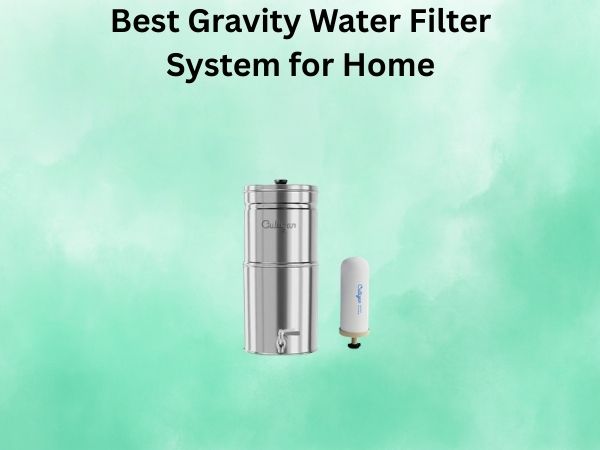
Several water filtration methods can reduce fluoride. Reverse osmosis systems are particularly effective, removing up to 95 percent of fluoride. Activated alumina filters also work well, though they require regular replacement. Distillation is another option, though it’s slower and more energy-intensive.
Before investing in a whole-house system, consider whether you really need to filter all your water or just your drinking and cooking water. A point-of-use filter for your kitchen tap might be all you need, and it’s significantly cheaper than a whole-house installation.
Communicating with Your Water Utility
If you’re in a fluoridated water system and you’re concerned about levels, reach out to your water utility. They can provide detailed information about why they’ve chosen their fluoridation level and discuss your concerns. You might also connect with community advocacy groups if you have broader questions about fluoridation policy.
What to Do If Fluoride Levels Are Low
Is Low Fluoride a Problem?
If your testing shows minimal fluoride, whether that’s a concern depends on your personal health priorities. If you have young children, getting some fluoride is beneficial for dental development. If you’re an adult with good dental health habits, slightly lower levels won’t hurt.
Supplementation Options
You can supplement fluoride through various methods. Fluoridated toothpaste and mouthwash are the most straightforward approaches—they deliver fluoride directly where it matters, your teeth. Some dentists also recommend fluoride supplements for high-risk individuals, though these require prescription.
Dietary Sources of Fluoride
Did you know that many foods and beverages contain naturally occurring fluoride? Tea, prepared foods, and certain seafood all contribute to your fluoride intake. If your water is low in fluoride, these sources might be enough to meet your needs without supplementation.
Common Misconceptions About Fluoride
Myth: All Fluoride Is Bad
This is perhaps the most prevalent misconception. The truth is more nuanced. Fluoride at optimal levels is beneficial for dental health—this is supported by decades of scientific research. The concern isn’t fluoride itself but excessive amounts. Like anything, the dose makes the poison.
Myth: Testing Is Complicated
Nope. While laboratory testing requires professional equipment, home testing is genuinely simple. Test strips take two minutes, and digital meters aren’t much more complex. You don’t need a chemistry degree to test your water.
Myth: You Can Tell Fluoride Levels by Taste or Smell
You cannot. Fluoride is odorless and tasteless at typical concentrations. If you suspect something’s off with your water based on taste or smell, you’re probably detecting something else entirely. This is exactly why testing is important.
Maintaining Your Water Quality
Regular Testing Schedule
If you’re concerned about your water quality, establish a regular testing routine. Quarterly testing gives you seasonal trends, while annual testing is sufficient for many households. Consistency helps you spot changes and address problems proactively.
Filter Maintenance
If you’ve installed any filtration system, stick to the recommended replacement schedule. A clogged or degraded filter won’t perform adequately, and you’ll get false results about your water quality. Plus, it’s gross and potentially unsafe.
Pipe Maintenance
Older pipes can leach various contaminants into your water. If you live in an older home, periodic professional water testing is worth the investment. You might discover issues that require plumbing attention—better to know now than to drink contaminated water for years.
Conclusion
Learning how to check fluoride in your water is a practical, empowering step toward taking control of your household’s health. Whether you’re using simple test strips, investing in a digital meter, or sending samples to a professional lab, you’ve got viable options at every price point. The important thing is getting answers instead of wondering.
Remember, testing your water isn’t about fear or paranoia—it’s about knowledge. You deserve to know what you’re drinking, and understanding your water’s composition puts you in the driver’s seat of your family’s health decisions. Start with a simple test, interpret your results honestly, and take appropriate action based on what you find. That’s really all there is to it.
The water you drink every single day plays a role in your health, and now you have the tools to monitor it. That’s genuinely valuable information in a world where we’re often left in the dark about the everyday things we consume. So go ahead, grab a testing kit, and get some answers. Your curiosity is completely justified.
Frequently Asked Questions
How much does it cost to test water for fluoride at home?
Home testing costs vary widely depending on the method you choose. Test strips are the most affordable option, typically costing between five and fifteen dollars per kit, with each kit containing multiple strips for multiple tests. Digital meters are a more significant investment, ranging from fifty to several hundred dollars depending on the brand and precision level, but they’re reusable indefinitely with