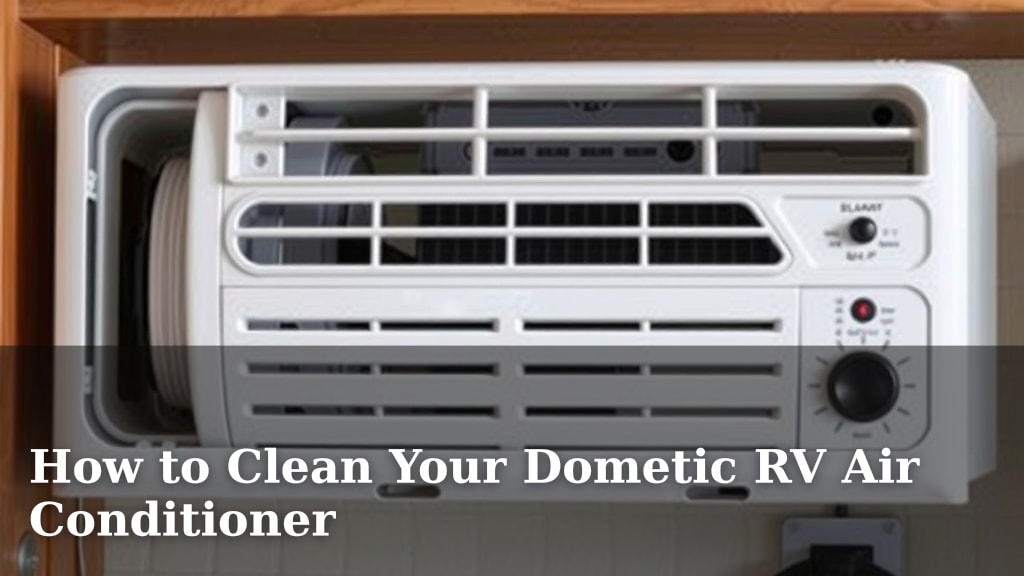
How to Clean Your Dometic RV Air Conditioner
The easiest way to clean your Dometic RV air conditioner is by regularly cleaning its filter and coils. This simple maintenance can prevent dust buildup and keep your AC running efficiently. You’ll want to tackle this at least twice a year for optimal performance.
Keeping your RV’s Dometic air conditioner clean ensures you have cool air on your adventures. A dirty unit struggles to cool and can lead to expensive repairs. Many RV owners find that a clean AC system means a more enjoyable trip.
- Clean the filter every 2-3 months.
- Wipe down the exterior vents regularly.
- Check and clean the condenser coils annually.
- Ensure proper airflow around the unit.
Below, we’ll walk you through the simple steps to get your Dometic RV air conditioner sparkling clean and ready to cool.
Keeping Your Dometic RV Air Conditioner in Top Shape
Your Dometic RV air conditioner is a marvel of modern convenience. It keeps your mobile home cool and comfortable on hot travel days. But like any machine, it needs a little TLC. Regular cleaning is your best defense against common issues. It helps prevent dust buildup and keeps your AC running efficiently. You’ll want to tackle this at least twice a year for optimal performance.
Why a Clean Dometic AC Matters So Much
A clean Dometic RV air conditioner ensures you have cool air on your adventures. A dirty unit struggles to cool effectively. This means it works harder, consuming more energy. It can also lead to expensive repairs down the road. Many RV owners find that a clean AC system means a more enjoyable trip. No one wants to deal with a broken AC when the sun is blazing!
Getting Started: What You’ll Need
Before you dive in, gather your supplies. Having everything ready makes the process smoother. You won’t have to stop mid-task to hunt for something. Here’s a basic checklist:
- Soft cloths or microfiber towels
- Mild soap or detergent
- Water source (hose or bucket)
- Soft brush or vacuum with brush attachment
- Screwdriver (if needed for panel removal)
- Optional: Coil cleaner spray (specifically for AC coils)
Cleaning the Air Filter: Your First Line of Defense
The air filter is the most frequently cleaned component. It catches dust, pollen, and other airborne particles. A clogged filter restricts airflow. This makes your AC work harder and less effectively. We recommend cleaning your filter every 2-3 months. If you camp in dusty areas, you might need to clean it even more often.
Locating and Removing the Filter
Most Dometic RV air conditioner filters are located inside the RV. You’ll typically find them behind the return air grille. This is usually on the ceiling inside your RV. Some models might have a small latch or clips. Gently pull the grille down or open it. Then, slide the filter out. Note its orientation so you can put it back correctly.
Cleaning the Filter Itself
Once removed, take the filter outside. Most RV air filters are washable. You can gently vacuum away loose dust first. Then, rinse it with cool water. If it’s particularly dirty, use a mild soap. Wash it gently. Rinse thoroughly until all soap is gone. Shake off excess water. Allow it to air dry completely before reinstalling it. Never put a wet filter back in; this can cause mold growth.
Cleaning the Exterior Vents and Covers
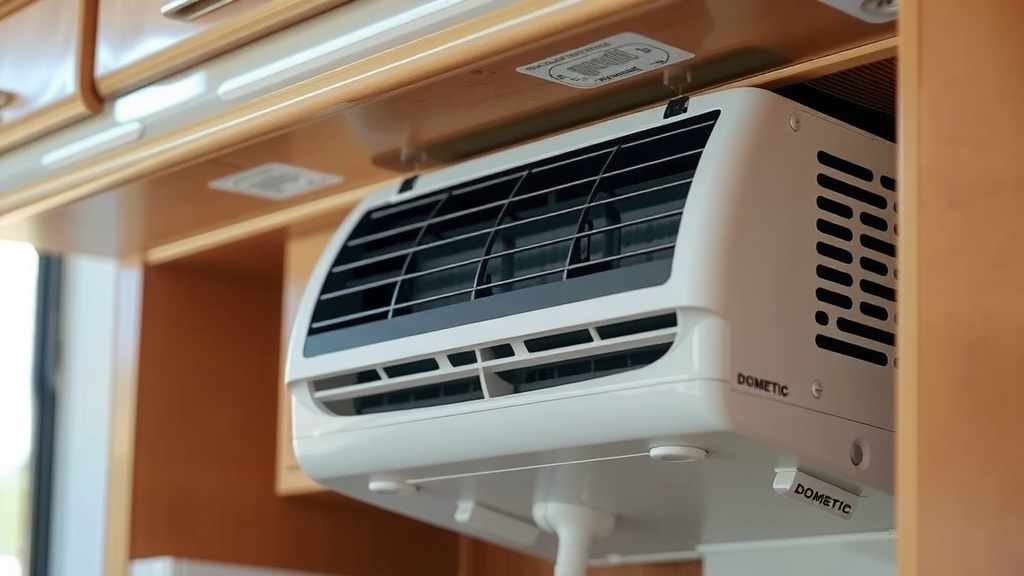
The exterior part of your Dometic AC unit, often on the RV roof, also needs attention. This unit houses the condenser and fan. It expels heat. Keeping the vents clear ensures efficient heat exchange. Wipe down the exterior covers and louvers regularly. Use a damp cloth to remove dust and debris. This is a simple step that makes a big difference.
Ensuring Unobstructed Airflow
Inspect the area around the exterior unit. Remove any leaves, branches, or other obstructions. Overgrowth or debris can block airflow. This forces the unit to work harder. A clear space around your AC is essential for its performance. Think of it like giving your AC room to breathe.
Addressing the Condenser Coils: A Deeper Clean
The condenser coils are the heart of the cooling system. They get dirty over time. Dust, dirt, and even oily residues can accumulate. This buildup acts as an insulator. It prevents the coils from releasing heat effectively. Cleaning these coils is typically done annually. Some experts suggest checking them twice a year.
Accessing the Condenser Coils
Accessing the coils usually involves removing a panel on the exterior unit. You might need a screwdriver for this. Consult your Dometic RV air conditioner’s manual for specific instructions. Always ensure the AC unit is turned off and the power is disconnected at the breaker or shore power before you start. Safety first!
How to Clean the Coils Effectively
Once you have access, you’ll see the coils. They look like a radiator. You can use a soft brush or a vacuum with a brush attachment to gently remove loose dirt. For a more thorough cleaning, you can use a commercial AC coil cleaner. These are available at RV supply stores. Follow the product instructions carefully. Most involve spraying the cleaner on, letting it sit, and then rinsing it off with water. Be gentle; the fins can bend easily. Bent fins reduce efficiency.
Quick Checklist for Dometic AC Maintenance
Here’s a handy checklist to keep your Dometic AC running smoothly:
- Clean the air filter every 2-3 months.
- Wipe down exterior vents and covers regularly.
- Clear debris from around the exterior unit.
- Inspect condenser coils for dirt buildup annually.
- Clean condenser coils thoroughly once a year.
- Check for airflow obstructions near the unit.
Troubleshooting Common AC Issues
Sometimes, even with regular cleaning, you might notice issues. If your AC isn’t cooling well, double-check that filter again. A dirty filter is the most common culprit. Ensure the thermostat settings are correct. If you hear strange noises, it might indicate a mechanical problem. For persistent issues, it’s best to consult your Dometic manual or a qualified RV technician.
Conclusion
Keeping your Dometic RV air conditioner clean is more than just a chore; it’s essential for comfort and savings. You’ve learned that regular cleaning of the filter and coils prevents dust buildup and ensures efficient cooling. Addressing exterior vents and airflow around the unit further optimizes performance. By following these steps, you avoid strain on your AC and costly repairs. Make cleaning your Dometic AC a part of your routine, perhaps before your first big trip of the season and again in the fall. Your cool and comfortable RV adventures depend on it!
Frequently Asked Questions
How often should I really clean my Dometic RV AC filter?
You should clean your Dometic RV AC filter every 2 to 3 months. If you camp frequently in dusty environments, you may need to clean it more often. A dirty filter is the most common reason for reduced cooling performance.
Can I use a pressure washer on my Dometic AC condenser coils?
It’s best to avoid using a pressure washer on your Dometic AC condenser coils. The high pressure can easily bend or damage the delicate fins. A gentle spray from a garden hose or a soft brush is usually sufficient.
What if my Dometic AC is making strange noises after cleaning?
If you hear unusual noises after cleaning, double-check that all panels are securely reattached. Also, ensure no tools or debris were left inside the unit. If the noise persists, it might indicate a mechanical issue requiring professional attention.
Do I need special cleaning products for my Dometic RV AC?
For the filter, mild soap and water are usually enough. For the condenser coils, you can use a specialized RV AC coil cleaner spray. Always follow the product’s instructions carefully. Regular household cleaners may not be suitable or safe for AC components.
Is it okay to run my Dometic AC with a slightly dirty filter?
While you can technically run your Dometic AC with a slightly dirty filter, it’s not recommended. Even a little dust can restrict airflow, making the unit work harder and less efficiently. This can lead to premature wear and tear and reduced cooling power.
![7 Best Portable Split Air Conditioner [2026]](https://bathroomexplorer.com/wp-content/uploads/2026/06/7-best-portable-split-air-conditioner-2026-featured-768x432.jpg)