How to Clean a Noritz Tankless Water Heater: A Complete Maintenance Guide
Let me be honest with you—most homeowners don’t think about their water heaters until something goes wrong. But here’s the thing: a little preventative maintenance on your Noritz tankless water heater can save you thousands of dollars in repairs and extend its lifespan by years. I’m going to walk you through everything you need to know about cleaning and maintaining your unit, and trust me, it’s simpler than you might think.
Understanding Your Noritz Tankless Water Heater
Before we dive into the cleaning process, let’s talk about what makes your Noritz tankless water heater tick. Unlike traditional tank-style heaters that store hot water, a tankless system heats water on demand. This means water flows through a heat exchanger whenever you turn on a hot tap. It’s efficient, space-saving, and reliable—but like any appliance, it needs regular care.
Why Cleaning Your Tankless Water Heater Matters
You know how hard water buildup can clog your showerhead? Well, the same thing happens inside your tankless water heater, except on a much more serious scale. Mineral deposits accumulate in the heat exchanger and can reduce efficiency, lower water temperature, and eventually cause the unit to shut down completely. Regular cleaning prevents these problems and keeps your system running at peak performance.
Signs Your Noritz Needs Cleaning
How do you know when it’s time to clean? Pay attention to these warning signs:
- Water temperature fluctuates or isn’t as hot as it used to be
- The unit displays an error code on its digital panel
- You hear unusual noises like popping or rumbling sounds
- Water pressure decreases noticeably at your faucets
- The unit cycles on and off more frequently than normal
- Your energy bills are climbing without explanation
If you’re experiencing any of these issues, your Noritz is probably crying out for a cleaning. Don’t ignore these signals because they only get worse over time.
Tools and Materials You’ll Need
Let’s gather everything before we start. Having everything ready means you won’t waste time running back and forth, and you’ll complete the job more efficiently.
Essential Equipment
- Submersible pump or wet-dry vacuum
- Two 5-gallon buckets
- White vinegar (food-grade, distilled)
- Adjustable wrench
- Pliers
- Teflon tape for reconnecting fittings
- Small hose or tubing that fits your water lines
- Towels or rags for cleanup
- Safety glasses and gloves
- Bucket drain plug if available
The most important material here is white vinegar. It’s a natural descaling agent that dissolves mineral deposits without damaging your system. Yes, you could buy commercial descaling solutions, but vinegar is cheaper, safer, and just as effective.
Safety First: Shutting Down Your System
Before you touch anything, safety comes first. You’re working with electrical equipment and water pressure, so let’s do this right.
Step-by-Step Shutdown Process
First, turn off the power to your unit at the breaker. Don’t skip this step—it’s not just a suggestion. Next, close the main water shut-off valve to your house or the isolation valve specific to your water heater. Then, turn off the gas supply if your Noritz uses gas for heating. Finally, open a hot water faucet somewhere in your house to relieve any built-up pressure in the lines. You should hear air hissing out, which means the pressure is releasing. This is exactly what you want.
Locating and Accessing the Purge Ports
Your Noritz tankless water heater has special ports specifically designed for maintenance and descaling. Think of them as little gateways that let you access the internal plumbing without disassembling the entire unit.
Where to Find These Ports
On most Noritz models, you’ll find the purge ports near the bottom of the unit, typically on the water inlet and outlet sides. They look like small capped connectors, usually about the size of a dime. Your user manual will show you exactly where they are on your specific model. If you can’t find your manual, don’t worry—Noritz provides them online, and they’re usually downloadable as PDFs.
Preparing the Area
These ports will release water when you open them, so place your buckets underneath. Trust me, you don’t want vinegar-tinged water all over your floor. Position your buckets so they catch any spillage, and lay down towels for extra protection.
The Descaling Process: Step-by-Step
Now we’re getting to the main event. This is where the magic happens, and your water heater gets restored to its former glory.
Connecting Your Pump and Vinegar Supply
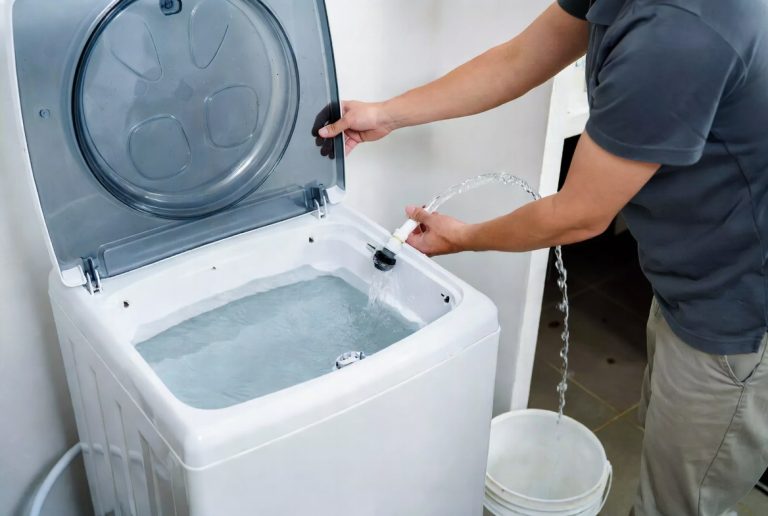
Using your adjustable wrench, carefully unscrew the cap on the inlet purge port. Don’t force it—if it’s stuck, gently apply some penetrating oil and wait a few minutes. Once it’s open, connect your submersible pump to this port using your small hose. The other end of the hose should reach into your bucket filled with white vinegar. You’ll also want to connect another hose from the outlet purge port to your second bucket so the vinegar can circulate through the system and drain out.
Running the Circulation Cycle
Turn on your pump and let the vinegar circulate through your water heater for about 45 minutes to an hour. This might seem like a long time, but mineral deposits are stubborn, and you want to give the vinegar plenty of time to dissolve them. You should see the vinegar flowing out of the outlet hose into your drain bucket. If you don’t see flow, check your connections—you might have an air bubble trapped somewhere.
Monitoring and Adjusting
While the vinegar is doing its work, check periodically to make sure everything is flowing smoothly. The outlet vinegar might look cloudy or discolored at first—that’s the minerals coming out of your system. This is exactly what you want to see. It means the descaling is working. As time goes on, the outflow should become clearer.
Completing the Descaling and Flushing
After the circulation period, you’re not quite done. The final steps are just as important as the ones you’ve already completed.
Draining the Vinegar
Stop the pump and carefully disconnect the hoses from the purge ports. Let any remaining vinegar drain out into your buckets. You might want to let the unit sit for another 15 minutes to ensure all the vinegar has drained from the system.
Fresh Water Flush
Now here’s the crucial part: you need to flush out all the vinegar residue. Replace your buckets and fill them with fresh, clean water. Reconnect your pump, but this time you’re circulating plain water instead of vinegar. Run the pump for another 30 to 45 minutes. This removes any vinegar smell or taste that might otherwise transfer to your hot water. Again, monitor the outflow. It should be completely clear this time.
Reassembling and Reconnecting
You’re on the home stretch now. Reconnecting everything is straightforward if you pay attention to detail.
Sealing the Purge Ports
Once you’re satisfied that all the vinegar has been flushed out, disconnect your hoses carefully. Before screwing the caps back on, wrap the threaded connections with Teflon tape. This creates a watertight seal and prevents leaks. Wrap the tape clockwise around the threads about three to four times, then screw the caps back on firmly but don’t overtighten. You’re aiming for snug, not cranked down with all your strength.
Restoring Water and Power
Once the purge ports are sealed, open the main water shut-off valve again. Listen for the hiss of air being pushed out of your lines. This is normal and expected. Turn the gas supply back on if applicable, and finally restore power at the breaker. Give your unit a moment to initialize. You might see some diagnostic information on the digital display, which is completely normal.
Testing Your System
Before you declare victory, let’s make sure everything works properly.
What to Check
Turn on a hot water faucet and let it run for a minute. The water should heat up normally without any strange sounds or fluctuations. The temperature should be consistent and as hot as you’re used to. If you notice any issues, let the system run for another few minutes and try again. Sometimes air pockets need to clear out.
Verifying Performance Improvement
If you were experiencing any of those warning signs we discussed earlier, they should now be resolved. You should notice improved water temperature consistency, no unusual noises, and better water pressure. Your energy bills should also start improving within your next billing cycle since your unit is now operating more efficiently.
How Often Should You Clean Your Noritz?
This depends on your water hardness. If you have soft water, you might only need to descale every two to three years. If you have hard water with high mineral content, you should do this every six months to a year. Most experts recommend annual maintenance as a good middle ground for average households.
Checking Your Water Hardness
You can pick up an inexpensive water hardness test kit at any hardware store. These simple strips tell you exactly how mineral-rich your water is, which helps you determine the right cleaning schedule for your specific situation.
Preventing Future Mineral Buildup
While regular cleaning is important, prevention is always better than cure.
Installation of a Water Softener
If you have hard water, consider installing a water softener in your main water line. This removes minerals before they even reach your water heater, dramatically reducing descaling frequency. Yes, it’s an upfront investment, but it protects all your water-using appliances, not just your tankless heater.
Regular System Checks
Don’t wait for problems to develop. Check your unit every few months. Listen for any unusual sounds, check for leaks around the purge ports, and notice any changes in water temperature or pressure. Catching issues early is always easier and cheaper than dealing with major failures.
When to Call a Professional
While descaling is something most homeowners can handle, some situations require professional expertise.
Signs You Need Professional Help
- Error codes that persist after descaling
- Leaks from internal components
- Gas supply issues or unusual pilot light behavior
- Electrical problems or power issues
- Complete system failure to ignite or heat
- Unusual smells coming from the unit
If any of these occur, it’s time to call a licensed technician. Attempting to repair these issues yourself could be dangerous and might void your warranty.
Conclusion
Cleaning your Noritz tankless water heater isn’t as intimidating as it might seem. With the right approach, basic tools, and a little white vinegar, you can keep your system running efficiently and extend its lifespan significantly. The process takes a few hours, costs just a few dollars in materials, and can save you thousands in potential repairs or replacement costs. Regular maintenance means consistent hot water, lower energy bills, and peace of mind knowing your system is operating at peak efficiency. Now that you understand the process, I’d encourage you to put it on your maintenance calendar. Your wallet—and your morning showers—will thank you.
Frequently Asked Questions
Can I use regular household vinegar for descaling my Noritz tankless water heater?
Yes, you can use regular white vinegar that you’d use for cooking, but food-grade distilled white vinegar is your best choice. Avoid using apple cider vinegar or other specialty vinegars because they contain sugars and other compounds that might leave residue in your system. The acidity level is what matters, and standard white vinegar has plenty of it to dissolve mineral deposits effectively.
What if I don’t see water flowing from the outlet port during descaling?
First, check that your pump is turned on and functioning properly. Make sure both hoses are securely connected to the purge ports. If you still don’t see flow, you might have an air pocket in the system. Try opening a nearby hot water faucet briefly to help push air out. If water still won’t flow, the mineral buildup might be more severe than expected, and you should contact a professional technician.
Is it dangerous to descale my water heater myself?
Not if you follow proper safety procedures. The main things to remember are shutting off power and water before starting, relieving pressure by opening a faucet, and working carefully with the purge ports. As long as you take your time and follow the steps outlined in this guide, you’re not putting yourself in danger. Many homeowners successfully descale their units annually without professional help.
How long does the entire descaling process take?
From start to finish, you should budget about three to four hours for the complete job. The circulation phases take the longest—about 45 minutes for vinegar circulation and another 45 minutes for the fresh water flush. The rest of the time goes to setup, teardown, and reconnecting components. It’s not a quick task, but it’s certainly manageable for a weekend project.
Will descaling my water heater void my warranty?
Not if you follow Noritz’s recommended maintenance procedures, which include regular descaling. In fact, most manufacturers expect you to perform routine maintenance and may actually void your warranty if you neglect necessary upkeep. Always consult your specific warranty documentation, but general rule: proper maintenance protects your warranty rather than voids it.
“`