How to Clean Your Rheem Air Conditioner: A Simple Guide
The easiest way to clean your Rheem air conditioner is by regularly cleaning the filter and hosing down the outdoor condenser unit. Doing this can help keep your system running smoothly and efficiently all summer long. You might be surprised how much dirt and debris can build up on your AC unit, impacting its performance.
Keeping your Rheem AC clean not only prevents costly repairs but also helps improve your home’s air quality. Many homeowners find that a little bit of maintenance goes a long way. We’ve found that consistent cleaning can extend the lifespan of your unit significantly.
- Clean the air filter every 1-3 months.
- Turn off power to the unit before cleaning.
- Gently hose down the outdoor condenser fins.
- Check for debris around the outdoor unit.
Ready to give your Rheem air conditioner the TLC it deserves? Let’s walk through exactly how to get it sparkling clean step by step.
Keeping Your Rheem Air Conditioner in Top Shape
Regular maintenance on your Rheem air conditioner is like giving your car an oil change. It’s a simple task that makes a big difference. Keeping your unit clean ensures it runs efficiently and can prevent costly breakdowns. We found that many homeowners overlook this simple step, leading to reduced performance and higher energy bills.
Let’s walk through the best ways to clean your Rheem AC unit. We’ll cover the essential parts and what you need to know. Following these steps will help your system run cooler and quieter all season long.
Preparing for Your Rheem AC Cleaning Project
Before you grab any cleaning supplies, safety is the first thing on our minds. Air conditioners have electrical components. You don’t want any surprises. A quick power cut is essential for a safe cleaning experience.
Turning Off the Power Safely
Locate the electrical disconnect box for your outdoor unit. It’s usually a metal box mounted on the wall near your air conditioner. Open the box and pull out the lever or remove the fuse to cut the power. This ensures no electricity is flowing to the unit while you work. Many HVAC professionals stress this step. It’s the most important part of your preparation.
Gathering Your Cleaning Supplies
You don’t need a lot of fancy equipment. Most of what you need is probably already in your home. Here’s a handy list:
- Garden hose with a spray nozzle
- Soft brush or whisk broom
- Mild detergent (like dish soap)
- Bucket
- Screwdriver (if you need to remove a protective grate)
- Gloves and safety glasses
Cleaning the Outdoor Condenser Unit
The outdoor unit, often called the condenser, is where the magic happens. It releases heat from your home into the outside air. Over time, it can collect a lot of dirt, leaves, and debris. This buildup makes it harder for the unit to do its job efficiently.
Clearing Debris Around the Unit
First, clear away any visible debris from around the base of the unit. This includes leaves, grass clippings, and twigs. Ensure there’s at least a couple of feet of clear space all around the unit. This allows for proper airflow, which is vital for cooling. We found that a simple visual inspection can reveal a lot about potential airflow blockages.
Cleaning the Condenser Fins
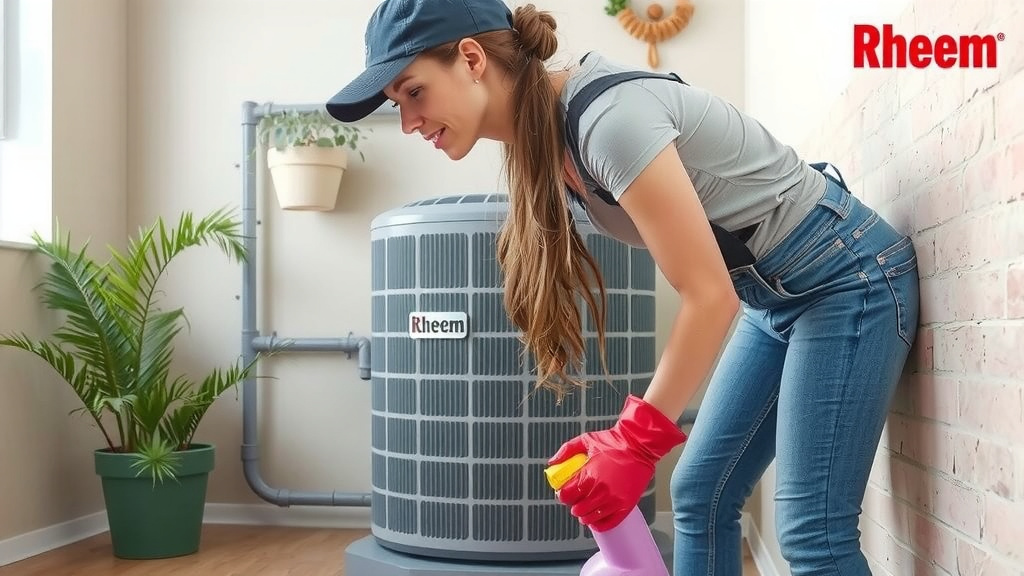
The fins are the thin, metal sheets on the sides of the unit. They can get clogged with dirt. Gently spray the fins from the inside out with your garden hose. This pushes the dirt away from the unit. If the fins are really dirty, you can mix a mild detergent with water in a bucket. Use a soft brush to gently scrub the fins. Rinse thoroughly with plain water. Always spray away from the electrical components. Many experts recommend a specific coil cleaner, but a gentle soap works well for routine cleaning.
Important Note: Be careful not to bend the fins. They are delicate. If you accidentally bend a few, you can gently straighten them with a fin comb or a flathead screwdriver. Bent fins can restrict airflow.
Checking the Fan Blades
While the power is off, you can also check the fan blades. Carefully look for any debris stuck to them. If you see anything, you can gently wipe it away with a damp cloth. Ensure the fan spins freely. This is a good time to check for any obvious damage.
Maintaining Your Rheem’s Air Filter
The air filter is inside your home, usually in your furnace or air handler. It catches dust and allergens before they circulate through your house. A clogged filter means your system has to work much harder. This wastes energy and reduces air quality.
Locating and Replacing Your Air Filter
Check your Rheem air conditioner’s manual for the exact location of your filter. Most are in a slot near the return air vent or in the indoor air handler unit. Most filters are disposable and need to be replaced. Some are washable, but disposable ones are common. Note the size and MERV rating of your current filter. You’ll need to buy replacements of the same size and a comparable MERV rating.
We found that replacing your filter regularly is one of the easiest ways to keep your system running well. Aim to check it monthly and replace it every 1 to 3 months, depending on household conditions. If you have pets or allergies, you might need to replace it more often. A dirty filter can look like a dusty piece of cardboard.
When to Call a Professional
While routine cleaning is a great DIY task, some issues are best left to the experts. If you notice strange noises, persistent leaks, or if your system isn’t cooling properly after cleaning, it’s time to call a qualified HVAC technician. They have the tools and expertise to handle more complex problems. Many manufacturers recommend professional tune-ups annually. This can help catch potential issues before they become major problems.
Quick Cleaning Checklist for Your Rheem AC
Here’s a handy checklist to make sure you don’t miss a step:
- Power Off: Always turn off the power at the disconnect box.
- Clear Area: Remove debris from around the outdoor unit.
- Hose Down Fins: Gently spray condenser fins from inside out.
- Clean Fan Blades: Wipe down fan blades if needed.
- Check Filter: Inspect and replace the indoor air filter.
- Restore Power: Turn the power back on after cleaning.
Conclusion
You’ve now got the simple steps to keep your Rheem air conditioner running efficiently. Cleaning the filter regularly and hosing down the outdoor unit are key. These actions help prevent breakdowns and improve your home’s air quality. We found that a little bit of consistent maintenance makes a big difference. Don’t wait for a problem to arise. Schedule a quick cleaning session for your Rheem AC this week. Your system will thank you with cooler air and lower energy bills all summer long.
Frequently Asked Questions
How often should I clean my Rheem air conditioner’s outdoor unit?
We recommend hosing down your outdoor condenser unit at least once a year, ideally in the spring before the heavy cooling season begins. If you live in a dusty area or near trees, you might consider doing it more often. Regular rinsing helps remove buildup that restricts airflow.
Can I use a pressure washer to clean my Rheem AC’s condenser fins?
No, we strongly advise against using a pressure washer. The high-pressure stream can easily bend or damage the delicate condenser fins. A standard garden hose with a gentle spray nozzle is sufficient for most cleaning needs. You want to clean the fins, not damage them.
What is the MERV rating on an air filter?
MERV stands for Minimum Efficiency Reporting Value. It’s a rating that indicates how effectively an air filter captures particles of different sizes. Higher MERV ratings mean better filtration, but they can also restrict airflow more. Always check your Rheem manual for the recommended MERV range for your specific model.
How do I know if my Rheem air filter needs changing?
Visually inspecting your filter is the best way. If it appears heavily coated in dust and dirt, it’s time for a change. You should aim to check it monthly and replace it every 1-3 months. If you have pets or allergies, you’ll likely need to replace it more frequently to maintain good air quality.
Is it safe to clean the electrical components of my Rheem AC?
You should never attempt to clean the electrical components of your Rheem air conditioner. Always ensure the power to the unit is completely shut off at the breaker or disconnect box before performing any cleaning. If you notice issues with wiring or electrical parts, contact a qualified HVAC professional immediately.

![7 Best Portable Generator For Rv Air Conditioner [2026]](https://bathroomexplorer.com/wp-content/uploads/2026/06/7-best-portable-generator-for-rv-air-conditioner-2026-featured-768x432.jpg)