How to Clean Camper Water Tank: A Complete Step-by-Step Guide
When you’re out on the road living the RV life, your camper’s water tank is like the heart of your mobile home. It keeps you hydrated, helps you shower, and makes sure you can wash your dishes without worrying about running out of water. But here’s the thing—if you don’t maintain it properly, your water tank can become a breeding ground for bacteria, sediment, and unpleasant odors that’ll make you regret ever taking that cross-country trip.
I’ve been around RV enthusiasts for years, and I can tell you that cleaning your camper water tank is one of those tasks that people often put off until it’s absolutely necessary. But it doesn’t have to be that way. With the right approach and a little elbow grease, you can keep your water tank fresh, clean, and ready for your next adventure.
Why Cleaning Your Camper Water Tank Matters More Than You Think
Let me paint a picture for you. You’re parked at a beautiful campground, ready to enjoy a nice hot shower after a long day of hiking. You turn on the water, and instead of the fresh, clean water you were expecting, you get something that smells like a swamp and tastes even worse. Not exactly the refreshing experience you had in mind, right?
This is what happens when your water tank isn’t properly maintained. Over time, bacteria, algae, and mineral deposits accumulate inside your tank, creating an environment that’s far from hygienic. Regular cleaning isn’t just about making your water taste better—it’s about protecting your health and ensuring that every drop you consume is safe.
The Health Risks of a Dirty Water Tank
Your water tank can harbor some seriously unwanted guests. Bacteria like E. coli and Legionella can grow in stagnant water, especially if the tank sits idle for extended periods. Mold and mildew thrive in dark, moist environments, and mineral deposits can affect both the taste and safety of your water. By cleaning your tank regularly, you’re essentially creating a hostile environment for these contaminants, keeping your water supply safe for you and your family.
Extending the Life of Your Water System
Think of your water tank as an investment in your RV. When sediment and buildup accumulate, they can damage your water pumps, clog your pipes, and strain your entire water system. Regular cleaning prevents these issues, helping you avoid expensive repairs down the road. It’s like changing the oil in your car—a small preventive measure that saves you thousands in the long run.
Gathering Your Supplies: What You’ll Need Before You Start
Before you dive into the actual cleaning process, you’ll want to make sure you have everything you need. Having the right supplies on hand makes the job much easier and ensures you can do a thorough job.
Essential Cleaning Materials
- White vinegar: This is your best friend for breaking down mineral deposits and killing bacteria naturally.
- Baking soda: Great for scrubbing and deodorizing your tank, especially if there are stubborn stains.
- Household bleach: Use a small amount to sanitize and kill any remaining bacteria. Make sure it’s unscented.
- Large brush or tank brush: You’ll need something with reach to clean the inside walls of your tank.
- Hoses and fittings: Have extra hoses available for flushing and draining.
- Buckets: Multiple buckets are helpful for mixing solutions and collecting dirty water.
- Gloves and safety goggles: Protect yourself while handling cleaning chemicals.
- A tank cleaning cap or adapter: This fits over your tank opening to help direct water during the cleaning process.
Step One: Draining Your Water Tank Completely
The first step in any tank cleaning project is getting all the old water out. You can’t effectively clean a tank that’s still full of water, so this is non-negotiable.
How to Drain Your Tank Properly
Find your tank’s drain valve, which is usually located at the lowest point of your RV. Position a large bucket underneath it and open the valve fully. Let all the water drain out completely. This might take a while if your tank is full, so be patient. While you’re waiting, you might notice that the water coming out gets progressively dirtier—this is a clear sign that your tank needs cleaning.
Once you’ve drained the main valve, don’t forget about the low point drains on your water lines. These little valves release water that’s trapped in your plumbing system. Open them up and let any remaining water drain out.
What to Do With the Dirty Water
Never pour your tank water directly onto the ground or into local water systems. Most campgrounds have designated disposal stations for gray water. If you’re not at a campground, pour the water into your gray water tank or use an approved dumping station in your area. Being environmentally responsible is part of the RV lifestyle.
Step Two: Rinsing Out Initial Debris
Once your tank is empty, it’s time to rinse out any loose sediment and debris that’s settled at the bottom.
The Initial Rinse Process
Connect your hose to your freshwater inlet and run clean water through your tank without turning on the internal water pump. Open all your faucets, shower, and toilets to let water flow through the system. This first rinse helps dislodge any loose particles. Keep running water through until the water coming out of your drain appears relatively clear. This might take several minutes, but it’s worth the effort.
Step Three: Preparing Your Cleaning Solution
Now comes the actual cleaning. You have a few options depending on how dirty your tank is and what kind of cleaning you prefer.
The Vinegar and Baking Soda Method
If you prefer a more natural approach, this method works surprisingly well. Mix one cup of baking soda with a gallon of white vinegar. This creates a fizzy solution that helps break down mineral deposits and kills odor-causing bacteria. Pour this mixture directly into your tank through the filler hole.
The Bleach Method
For a more aggressive sanitization, use a diluted bleach solution. Mix one-quarter cup of unscented household bleach with a full tank of water. This solution kills virtually all bacteria and pathogens. Never use more than this recommended amount, as too much bleach can damage your tank and pipes.
Choosing Your Approach
Most RV owners prefer to start with the vinegar method for regular maintenance and save the bleach method for when they really need heavy-duty sanitization. You can always upgrade to bleach if vinegar doesn’t do the trick.
Step Four: Filling Your Tank With the Cleaning Solution
Once you’ve prepared your cleaning solution, it’s time to get it into your tank.
Getting the Solution Into Your Tank
Open your freshwater fill cap and pour your cleaning solution directly into the tank. If you’re using the bleach method, you’ll want to fill your tank with water first, then add the bleach. Follow up by filling the rest of the tank with water. This ensures the bleach is properly diluted throughout.
Activating Your Water Pump
Turn on your water pump and run the solution through all your faucets, your shower, and your toilet. Let it flow for a few minutes from each outlet. This pushes the cleaning solution through your entire water system, not just the tank itself. Your pipes need cleaning too, and this step takes care of that.
Step Five: Letting the Solution Do Its Work
Now comes the hardest part—waiting. Your cleaning solution needs time to break down deposits and kill bacteria.
The Soaking Period
Leave your cleaning solution in the tank for at least four to eight hours. For really tough buildup, you might want to let it sit overnight. During this time, the solution is working hard to dissolve mineral deposits, kill bacteria, and eliminate odors. Don’t rush this step—it’s where most of the actual cleaning happens.
Circulating the Solution
Some RV owners prefer to periodically run the water pump during the soaking period to keep the solution circulating. This can help the solution reach more of the tank’s interior surface. Turn on the pump for a few minutes every hour or two if you’re staying at your RV.
Step Six: Scrubbing the Tank Interior
After your solution has had time to work, it’s time to put some elbow grease into the job.
Using a Tank Brush
If you have access to your tank’s interior (some tanks have removable tops or inspection ports), use a long-handled brush to scrub the inside walls. Work in circular motions, paying special attention to corners and seams where bacteria and deposits like to hide. This physical scrubbing action helps remove stubborn buildup that the chemical solution alone might not eliminate.
When You Can’t Access the Interior
If your tank doesn’t have an access port, don’t worry. You can still agitate the solution by driving your RV around. The movement helps the solution slosh around inside the tank, and the friction helps break down deposits. Drive around your campground or nearby area for fifteen to twenty minutes to accomplish this.
Step Seven: Draining the Used Solution
Once you’ve given your tank a good cleaning, it’s time to get all that dirty solution out.
Complete Draining Process
Open your tank’s drain valve and let all the cleaning solution pour out. Don’t let this water go to waste—make sure you’re draining into your gray water tank or at an appropriate dumping station. Use your buckets if necessary to catch and transport the water.
Getting Every Drop Out
Open your low point drains again to release any cleaning solution that’s trapped in your lines. Make sure you’ve completely emptied your system before moving on to the rinse stage.
Step Eight: Thorough Rinsing and Multiple Flushes
This is the step that separates an okay cleaning from an excellent one. You need to rinse thoroughly to remove all traces of your cleaning solution.
The First Major Rinse
Connect your hose to your freshwater inlet and fill your tank completely with clean water. Run this water through all your faucets, shower, and toilet. The water might have a slight smell or taste of vinegar or bleach—this is normal. Keep running fresh water through until you don’t notice any chemical smell or taste anymore.
Additional Rinse Cycles
Don’t stop at just one rinse. Fill your tank again and repeat the process. I recommend doing this at least two or three times. Each rinse removes more of the cleaning residue, and you’ll notice the water smelling fresher each time. Think of it like washing shampoo out of your hair—one rinse rarely does the job completely.
Step Nine: Final Sanitization and Inspection
After rinsing, you might want to do one final sanitization step to ensure your tank is completely clean.
Optional Bleach Rinse
If you used vinegar and baking soda for your initial cleaning, consider doing a final light bleach rinse. Add just one-eighth cup of bleach to a full tank of water, run it through your system for a few minutes, then drain and rinse thoroughly. This gives you that extra assurance that any remaining bacteria is eliminated.
Checking Your Work
Smell your water carefully. It should smell fresh and clean, with no chemical odors. Taste a small amount from your faucet—it should taste like regular clean water. If you still notice odors or tastes, you may need to repeat the rinsing process.
Step Ten: Regular Maintenance to Keep Your Tank Clean
Now that your tank is sparkling clean, let’s talk about keeping it that way without all this extra work next time.
Monthly Maintenance Routine
Once a month, add a cup of white vinegar to your tank as a maintenance measure. This helps prevent buildup and keeps odors at bay without requiring a full cleaning. It’s like brushing your teeth versus getting a root canal—small preventive measures save you from major problems.
Use Tank Treatment Products
There are specialized RV water tank treatment products available that you can add to your tank regularly. These are designed to inhibit bacterial growth and prevent odors between cleanings. Follow the manufacturer’s instructions for dosing and usage.
Keep Your Tank Full or Empty
If you’re not using your RV for an extended period, either keep your tank completely full or completely empty. A partially full tank with stagnant water is the perfect breeding ground for bacteria and algae. Full tanks prevent air circulation that allows growth, while empty tanks prevent any water-based issues entirely.
Understanding Different Tank Types and Special Considerations
Not all camper water tanks are created equal, and some require special care.
Plastic Tanks
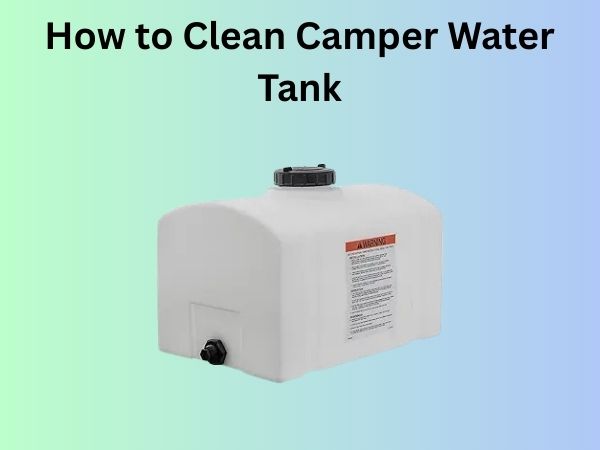
Most RV water tanks are made from food-grade plastic. These are generally safe to clean with vinegar and diluted bleach, but avoid using harsh abrasive scrubbers that could scratch the plastic and create places for bacteria to hide. Soft-bristled brushes work best.
Metal Tanks
Older RVs sometimes have metal tanks, which are more prone to rust. Be extra careful with these tanks and consider having them inspected professionally if they’re showing signs of corrosion. Metal tanks might benefit from a protective tank coating applied by a professional.
Fresh Water vs. Gray Water Tanks
Your fresh water tank and gray water tank are different systems. Gray water tanks hold used water from your sinks and showers and need different maintenance than fresh water tanks. Don’t confuse cleaning procedures between the two.
Troubleshooting Common Water Tank Problems
Sometimes even after cleaning, you might encounter issues. Let’s talk about solutions.
Persistent Odors
If your water still smells bad after cleaning, you might have bacterial growth in your water lines rather than your tank. Run vinegar solution through your entire system and let it sit overnight. Another possibility is that your water heater is harboring bacteria. Most RV water heaters have a drain plug that allows you to flush them separately.
Cloudy or Discolored Water
This usually indicates mineral deposits or sediment. You might need to repeat the cleaning process or consider installing a water filter in your system. Inline water filters are inexpensive additions that can significantly improve water quality.
Low Water Pressure
If your water pressure drops after cleaning, you might have mineral deposits clogging your pipes. Run vinegar through your system again, or consider using a commercial descaling product designed for RV water systems.
When to Call a Professional
While most RV owners can handle tank cleaning themselves, there are times when professional help is worth the investment.