Clean Your Carrier Air Conditioner: A Step-by-Step Guide
The easiest way to clean your Carrier air conditioner is by regularly cleaning the air filter. This simple step significantly improves air quality and system efficiency. You’ll prevent dust buildup, which can strain your system and lead to costly repairs. Let’s get your AC running smoothly again!
Keeping your Carrier AC clean involves more than just the filter. A dirty unit can become a breeding ground for mold and bacteria, impacting your home’s air. We found that consistent maintenance also helps your system run quieter and last longer. Think of it as giving your air conditioner a much-needed spa day.
TL;DR:
- Clean your Carrier AC filter every 1-3 months.
- Turn off the power before cleaning.
- Wash reusable filters with soap and water.
- Replace disposable filters when dirty.
- Consider professional cleaning for coils annually.
Ready to tackle this yourself? Below, we’ll walk you through exactly how to clean your Carrier air conditioner, step by step.
Keeping Your Carrier Air Conditioner in Top Shape
A clean air conditioner is a happy air conditioner. And a happy AC means a comfortable home for you and your family. Think of it like regular car maintenance. If you skip it, you might face bigger problems down the road. We found that a little bit of cleaning effort goes a long way for your Carrier unit.
Your Carrier AC Filter: The First Line of Defense
Your air conditioner’s filter is like its lungs. It catches dust, pollen, and other particles. If this filter gets clogged, your system has to work much harder. This is where many AC problems begin. Many experts recommend checking your filter every month.
How Often Should You Clean or Replace Your Filter?
The frequency depends on your home. Do you have pets? Are there a lot of allergies in your household? If so, you might need to clean or replace it more often. Generally, a good rule of thumb is every 1 to 3 months. We found that a simple visual check can tell you if it’s time.
Cleaning Reusable Air Filters
Many Carrier models come with reusable filters. These are great for the environment and your wallet. To clean one, you’ll need a few basic supplies. Grab a vacuum cleaner, some mild soap, and a hose or sink.
First, turn off your AC unit at the breaker box. This is a safety step you should never skip. Then, carefully remove the filter from its slot. It usually slides out easily. If it’s very dusty, a quick vacuuming can remove loose debris.
Next, gently wash the filter with lukewarm water and a mild soap. Make sure to get into all the nooks and crannies. Rinse it thoroughly. Let it air dry completely before putting it back. Never put a wet filter back into your AC. We found that complete drying prevents mold growth.
Replacing Disposable Air Filters
Disposable filters are simpler to manage. When you see dirt buildup, it’s time for a new one. They are typically made of paper or fiberglass. You cannot wash these types.
To replace, simply remove the old filter. Note the size and type for your next purchase. Slide in the new filter, ensuring it’s facing the correct direction. Most filters have an arrow indicating airflow. Then, turn the power back on at the breaker box.
Deep Cleaning Your Carrier Air Conditioner Unit
While the filter is the most frequent task, other parts of your AC need attention too. The indoor and outdoor units can accumulate grime. This can affect performance and air quality. For these deeper cleans, some tasks are DIY-friendly, while others are best left to the pros.
Cleaning the Indoor Unit (Evaporator Coil)
The indoor unit is where the cool air is produced. Its coils can get dusty. A dirty evaporator coil can lead to reduced cooling and energy waste. Many HVAC professionals suggest cleaning this part at least once a year.
Again, make sure the power is off at the breaker. Open the access panel to your indoor unit. You might see a large filter housing. Behind that are the evaporator coils. They are typically a finned metal surface.
You can often buy special AC coil cleaner sprays. These are designed to foam up and lift dirt. Spray it directly onto the coils. Follow the product instructions carefully. Most cleaners don’t require rinsing. The condensation from the AC will wash away the dirt.
We found that some people use a soft brush to gently dislodge stubborn dirt before spraying. Be very careful not to bend the delicate fins on the coils. Bending them can reduce airflow.
Cleaning the Outdoor Unit (Condenser Coil)
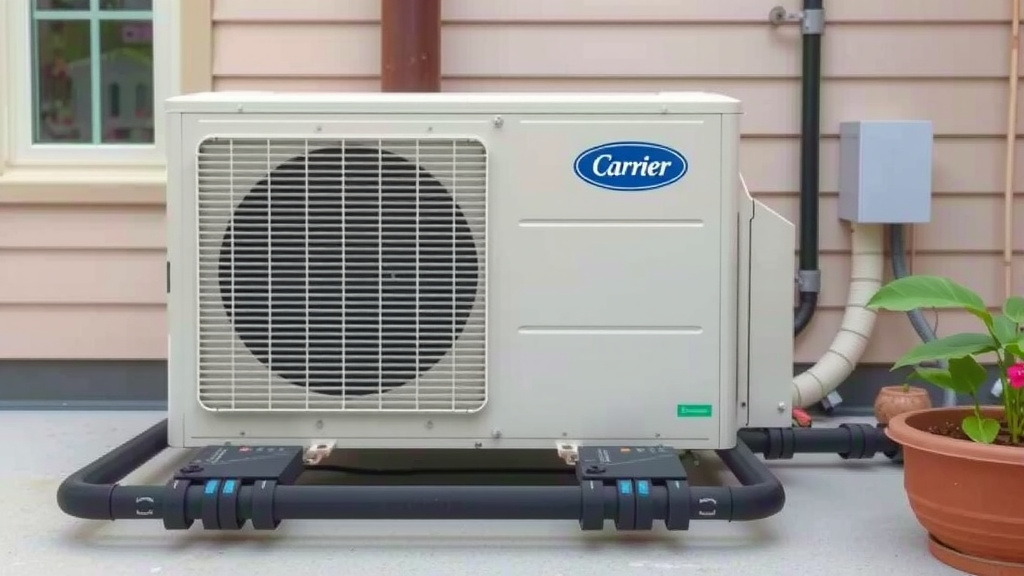
The outdoor unit handles heat dissipation. It’s exposed to the elements, so it can get quite dirty. Leaves, grass clippings, and dirt can clog the fins. This makes it harder for your AC to release heat.
First, turn off power to the outdoor unit at the breaker. Ensure the unit is completely off. You can carefully spray the exterior fins with a garden hose. Use a gentle stream of water. Spray from the inside out if possible, to push debris away.
For tougher grime, you can use a commercial condenser coil cleaner. These are available at hardware stores. Apply the cleaner according to the label. Let it sit for the recommended time. Then, rinse thoroughly with your hose. Make sure all cleaner is washed away. We found that keeping the area around the outdoor unit clear of debris is also important.
Checking for Debris and Obstructions
While you’re at the outdoor unit, take a quick look around. Are there any overgrown plants or bushes too close? Your outdoor unit needs about two feet of clear space around it. This ensures proper airflow. Remove any fallen leaves or grass clippings from the base of the unit.
Drain Line Maintenance
Your AC produces condensation. This water drains away through a pipe. This drain line can sometimes get clogged with algae or mold. A clogged drain line can cause water to back up. This might lead to water damage or the unit shutting off.
You can often find the drain line outlet near your outdoor unit. It’s usually a PVC pipe. You can try pouring a cup of vinegar down the drain line. This can help kill off any mold or algae. Some homeowners also use a wet/dry vacuum on the end of the drain line to suck out blockages. Many experts suggest this as a preventative measure.
When to Call a Professional
While DIY cleaning is great for filters and coils, some jobs are best left to the pros. If you notice any of these, it might be time to schedule a professional check-up:
- Strange noises coming from the unit.
- The AC is not cooling effectively.
- There are signs of refrigerant leaks (ice on coils, hissing sounds).
- You are uncomfortable performing any of the cleaning steps.
Annual professional maintenance is a good idea. A technician can perform a thorough cleaning and inspection. They can catch small issues before they become big, expensive problems. Many companies offer maintenance plans. These can help spread the cost out over the year.
Your AC Cleaning Checklist
Let’s summarize the key steps to keep your Carrier AC running smoothly. Follow this simple checklist:
- Check Filter: Inspect your air filter monthly.
- Clean or Replace Filter: Wash reusable filters or replace disposable ones every 1-3 months.
- Power Off: Always turn off power at the breaker before cleaning internal parts.
- Clean Coils: Use appropriate cleaners for indoor and outdoor coils annually.
- Clear Debris: Ensure ample space around your outdoor unit.
- Check Drain Line: Pour vinegar down the drain line periodically.
Conclusion
You’ve now got a clear roadmap to keeping your Carrier air conditioner in tip-top shape. Remember, a clean AC means better air quality and a more efficient system. Regularly checking and cleaning your air filter is your first and most important step. Don’t forget about the indoor and outdoor coils, too. A little effort now can prevent big headaches and costly repairs down the road. Ready to breathe easier? Your next step is to schedule a quick check of your air filter.
Frequently Asked Questions
How do I know if my Carrier AC filter needs cleaning?
The easiest way is a visual check. If the filter looks visibly dirty, clogged with dust, or discolored, it’s time for cleaning or replacement. Many experts suggest checking it monthly, especially if you have pets or allergies.
Can I use a pressure washer on my outdoor Carrier AC unit?
No, it’s best to avoid pressure washers. A strong stream of water can damage the delicate fins on your condenser coils. A regular garden hose with a gentle spray is sufficient for cleaning outdoor unit fins.
What should I do if my Carrier AC is making strange noises after cleaning?
If you hear unusual noises, it’s a good sign to stop and re-evaluate. Double-check that you reassembled everything correctly and that no tools or parts were left inside. If the noise persists, it’s best to call a professional technician.
Is it safe to clean the evaporator coils myself?
Yes, cleaning the evaporator coils can often be a DIY task with the right cleaner and precautions. Always ensure the power to your AC unit is completely shut off at the breaker before opening access panels. Follow product instructions carefully for any coil cleaners you use.
How often should a professional service my Carrier air conditioner?
Most HVAC professionals recommend having your Carrier air conditioner serviced annually. This regular professional maintenance ensures all components are checked, cleaned, and functioning optimally, helping to prevent unexpected breakdowns.
![7 Best Quality Air Conditioner Brand [2026]](https://bathroomexplorer.com/wp-content/uploads/2026/06/7-best-quality-air-conditioner-brand-2026-featured-768x432.jpg)