

Clean Outdoor AC Coils: Your Step-by-Step Guide
The easiest way to clean outdoor air conditioner coils is by using a garden hose and a mild coil cleaner. This process will boost your AC’s efficiency and help it run smoothly all summer. Keeping your coils clean prevents dirt and debris from blocking airflow, which can save you money on energy bills and prevent costly repairs.
Dirty AC coils make your air conditioner work much harder than it needs to. This is because the fins on the coils are designed to transfer heat. When they get clogged with grime, pollen, and dust, their ability to do this is severely hampered. We found that regular cleaning can make a noticeable difference in cooling performance.
- Turn off power to your AC unit.
- Gently rinse coils with a garden hose.
- Use a specialized coil cleaner for tough grime.
- Rinse thoroughly and let it dry.
- Consider professional cleaning annually.
Let’s walk through exactly how to get those outdoor AC coils looking and working like new, step by step.
“`htmlGiving Your Outdoor AC Coils a Good Cleaning
Your air conditioner’s outdoor unit has coils that are essential for cooling your home. These coils work hard to release heat from your home into the outside air. Over time, they collect dirt, leaves, and other debris. This buildup acts like a blanket, preventing efficient heat transfer. Cleaning these coils yourself is a manageable task that can improve your AC’s performance and lifespan. It’s like giving your AC unit a breath of fresh air, allowing it to breathe and cool your home more effectively.
Safety First: Powering Down Your Unit
Before you even think about touching your AC unit, safety is your top priority. You absolutely must turn off the power to the unit. This prevents any accidental starts while you’re working. You’ll find a disconnect box on the side of your outdoor unit. Pull the handle or cover to shut it off. Also, go to your home’s electrical panel and find the breaker labeled for your air conditioner. Flip that switch to the OFF position. It’s a critical step that many people skip. We’ve seen homeowners overlook this, and it can lead to serious injury. Always double-check that the unit is completely dead before proceeding.
Assessing the Dirt Level and Coil Type
Take a good look at your outdoor AC unit. Are the coils visibly caked with dirt and grime? Or do they just look a little dusty? The level of dirt will help you decide the best cleaning method. Most residential AC units have what are called “fin-and-tube” coils. These are made of many thin metal fins wrapped around tubes. The fins are delicate. You need to be careful not to bend them. Bent fins restrict airflow, which hurts efficiency. So, gentleness is key here. This assessment helps you choose the right approach and avoid causing accidental damage.
What You’ll Need for the Job
Gathering your supplies beforehand makes the process much smoother. You don’t want to stop midway because you’re missing something. Here’s a quick list of what you’ll likely need:
- A garden hose with a spray nozzle.
- A soft brush or a fin comb (for minor dust).
- A commercial AC coil cleaner (available at hardware stores).
- Gloves to protect your hands.
- Safety glasses to keep debris out of your eyes.
- A screwdriver or nut driver for removing the outer casing (if necessary).
The Gentle Approach: Hose Cleaning
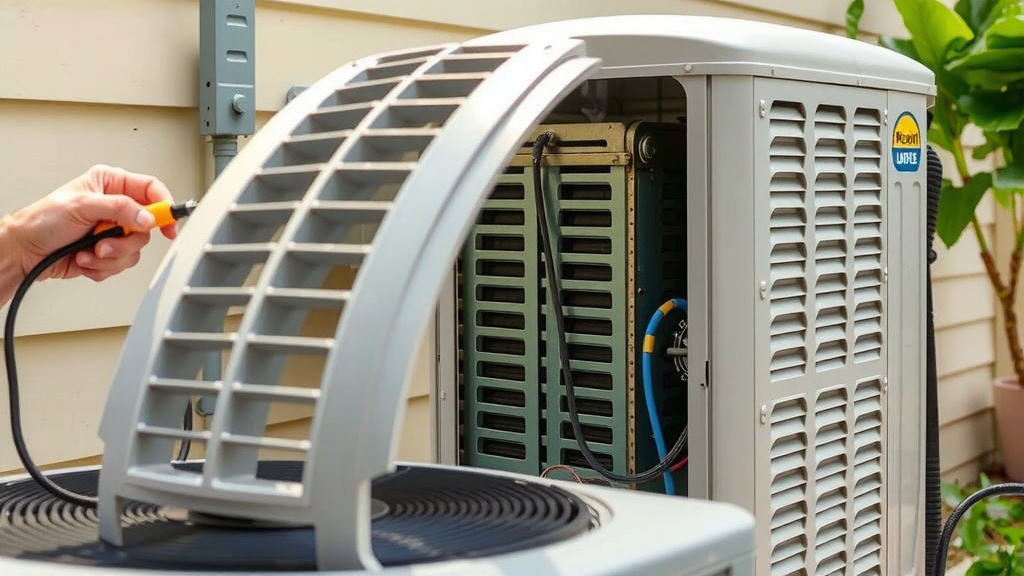
For most routine cleanings, a simple garden hose is all you need. This is especially true if the coils are just dusty. You want to spray the coils from the inside out if possible. Many units have an access panel that allows you to reach the coils from the back. If you can’t get to them from the inside, spray from the outside. Use a medium spray setting on your hose nozzle. Avoid a high-pressure jet. A strong blast can bend those delicate fins. You’re aiming to loosen and wash away surface dirt. Spray in the direction opposite to normal airflow. This helps push the debris away from the unit. Work your way around the entire unit. This gentle rinsing can make a surprising difference.
Tackling Stubborn Grime with Coil Cleaner
Sometimes, water alone won’t cut it. You might have sticky, oily grime or thick layers of pollen and dirt. In these cases, a specialized AC coil cleaner is your best friend. These cleaners are designed to break down tough buildup. You can find them in spray cans or liquid forms. Foam cleaners are often a good choice as they cling to the fins and work effectively. Always follow the product instructions carefully. Most require you to spray the cleaner onto the coils and let it sit for a few minutes. This gives the cleaner time to break down the grime. Many experts recommend a mild, non-acidic cleaner for home use. This helps prevent damage to the coil material (National Air Duct Cleaners Association).
Applying Coil Cleaner Correctly
Once you’ve purchased your cleaner, it’s time to apply it. Make sure the power to your unit is still off. If the cleaner is a spray, hold the can about 6-8 inches away from the coils. Apply it evenly, covering all the dirty areas. If it’s a liquid, use a brush or a sprayer to distribute it. Work from the bottom up to avoid streaks. Don’t drench the coils; a light, even coating is usually sufficient. Many cleaners are “no-rinse” formulas. They are designed to be rinsed away by normal rainfall. However, it’s usually best to give them a good rinse with your hose anyway. This ensures all the loosened dirt and cleaner residue is removed.
Rinsing Away the Residue
After the coil cleaner has done its work, you need to rinse everything off thoroughly. Use your garden hose again. This time, you want to be sure you’re rinsing all the cleaner and the loosened dirt out. Again, spray from the inside out if you can. If you sprayed the cleaner on the outside, rinse from the outside in. Use a steady stream of water. Keep rinsing until you no longer see any foam or suds. You want the coils to be completely clean. A thorough rinse ensures no cleaning chemicals are left behind to potentially corrode the fins. This is where a good rinse is truly important.
Fin Care: Straightening Bent Fins
While you’re cleaning, you might notice some bent fins. Bent fins are like little speed bumps for airflow. They disrupt the smooth passage of air over the coils. You can usually straighten them out with a tool called a fin comb. These are inexpensive and can be found at hardware or AC supply stores. Gently slide the comb through the fins, aligning them. If you don’t have a fin comb, you can try a stiff piece of plastic, like a credit card or a plastic putty knife. Be very careful not to bend them further or break them off. Straightening fins can significantly improve airflow and cooling efficiency. Research indicates that even minor improvements in fin condition can lead to energy savings (Energy Star).
Drying and Reassembly
Once you’ve finished rinsing, let the coils air dry completely. This might take an hour or two, depending on the weather. You can speed things up slightly by gently wiping down accessible areas with a clean cloth. Once everything is dry, reassemble any panels you removed. Make sure all screws are tightened properly. Now, you can turn the power back on at the electrical panel. Then, go back to the disconnect box on the outdoor unit and re-engage the power. You should hear your AC unit kick back on.
When to Call the Pros
While DIY coil cleaning is effective for maintenance, there are times when professional help is needed. If your unit is very old, if you suspect refrigerant leaks, or if the coils are severely corroded, it’s best to call a qualified HVAC technician. They have specialized tools and knowledge to handle more complex issues. Many HVAC professionals recommend a professional tune-up and cleaning once a year. This ensures your system is running at peak performance and catches potential problems early. They can also perform a thorough cleaning of the internal components, which is difficult for a homeowner to access.
Your AC Coil Cleaning Checklist
Here’s a quick checklist to keep you on track:
- Turn Off Power: Shut off the breaker and the disconnect switch.
- Inspect Coils: Assess the dirt level and check for bent fins.
- Gentle Rinse: Use a garden hose to remove loose debris.
- Apply Cleaner: Use a specialized cleaner for tough grime, following instructions.
- Rinse Thoroughly: Remove all cleaner residue and loosened dirt.
- Straighten Fins: Gently comb any bent fins.
- Reassemble & Restore Power: Put panels back and turn the unit on.
Conclusion
You’ve learned how simple it can be to clean your outdoor AC coils. By following these steps, you can significantly improve your air conditioner’s performance and extend its lifespan. Remember, regular maintenance like this is key to avoiding bigger problems down the road. Keeping those coils clean means your AC works less, cools better, and saves you money. Take a few hours this season to give your unit the care it deserves. Your wallet and your comfort will thank you!
Frequently Asked Questions
How often should I clean my outdoor AC coils?
For most homes, cleaning your outdoor AC coils once a year is ideal. You might need to clean them more often if you live in a dusty area or have many trees surrounding your home. A good time to do this is in the spring, before the peak cooling season begins.
Can I use a pressure washer to clean my AC coils?
It’s strongly advised against using a pressure washer. The high pressure can easily bend or damage the delicate fins on your AC coils. This damage restricts airflow and can reduce your AC’s efficiency, costing you more in energy bills and potential repairs.
What kind of coil cleaner is best for my AC unit?
Look for a mild, non-acidic coil cleaner specifically designed for air conditioners. These are readily available at hardware stores and online. Avoid harsh chemicals that could corrode the coil material or damage the environment. Always follow the manufacturer’s instructions on the cleaner’s label.
My AC coils are inside the unit; how do I access them?
To access the outdoor unit’s coils, you’ll typically need to remove the outer metal casing. This usually involves unscrewing a few screws around the perimeter. Be sure to disconnect the power completely before attempting to remove any panels to avoid electrical hazards.
What if I bend the fins while cleaning?
Don’t worry if you notice a few bent fins; it’s common. You can gently straighten them using a fin comb, which you can buy at most hardware stores. If you don’t have a fin comb, a stiff piece of plastic, like a credit card, can also work. Be very gentle to avoid further damage.





![7 Best Portable Tower Air Conditioner [2026]](https://bathroomexplorer.com/wp-content/uploads/2026/06/7-best-portable-tower-air-conditioner-2026-featured-768x432.jpg)