How to Clean Tap Water: Best Purification Tips for Healthier Drinking Water
Why Should You Be Concerned About Your Tap Water?
Have you ever stopped to think about what’s actually flowing through your kitchen faucet? Most of us assume that because water comes from the municipal supply, it’s automatically safe to drink. But here’s the reality: even though tap water is regulated and tested by authorities, it doesn’t mean it’s completely pure. The journey from treatment plants to your home can introduce various contaminants along the way.
Think of your water supply system like a highway. Even though there are rules and inspections, things can still get onto the road between point A and point B. Old pipes, mineral buildup, and various chemical residues can all affect the quality of water you’re drinking daily. This is why understanding how to clean your tap water isn’t just a luxury—it’s becoming a necessity for many households.
The Hidden Truth About Municipal Water Treatment
Water treatment facilities do an impressive job of removing major pathogens and harmful bacteria. However, they’re designed to meet minimum standards set by regulations, not maximum purity. Some treatment plants use methods that have been standard for decades, and newer contaminants aren’t always addressed effectively.
Understanding Common Tap Water Contaminants
To effectively clean your tap water, you first need to know what you’re up against. Different regions have different water quality issues, but certain contaminants are surprisingly common across the board.
Chemical Contaminants You Should Know About
Chlorine and chloramines are used by water treatment plants to disinfect water, but they can leave unpleasant tastes and odors. Some studies suggest long-term exposure to chlorine byproducts might pose health concerns, though regulations are in place to limit these.
Heavy metals like lead, copper, and mercury can leach into water through corroded pipes. Lead exposure is particularly concerning because it has no safe level, especially for children and pregnant women. If your home has older plumbing, this becomes even more important to address.
Pesticides and herbicides can seep into groundwater from agricultural runoff. Even though municipalities test for these, not all pesticides are monitored, and detection methods don’t always catch everything.
Biological Contaminants Worth Noting
While treatment plants effectively remove most harmful bacteria, some resilient microorganisms like Cryptosporidium and Giardia can occasionally slip through. These parasites can cause serious gastrointestinal issues, and certain populations with compromised immune systems face higher risks.
Physical Particles and Minerals
Hard water, caused by high levels of calcium and magnesium, isn’t necessarily harmful to drink, but it can create scale buildup in pipes and appliances. Sediment and rust particles from aging infrastructure can also be present, affecting water clarity and taste.
Testing Your Tap Water: The First Step
Before you invest in any purification system, you should know exactly what’s in your water. It’s like getting a diagnosis before treatment—you can’t fix what you don’t understand.
Professional Water Testing Options
Your local health department often offers free or low-cost water testing. They’ll analyze samples for bacteria, nitrates, and other common contaminants. This is an excellent starting point, especially if you’re on a well system rather than municipal water.
For more comprehensive results, certified private laboratories can test for a wider range of contaminants, including heavy metals, pesticides, and volatile organic compounds. These tests cost more but provide detailed information about your specific water quality.
Home Test Kits: Quick and Convenient
If you need faster results, home test kits can detect common issues like pH levels, hardness, bacteria, and chlorine. While not as thorough as lab testing, they give you a quick understanding of your water’s basic quality and can help determine which purification methods might benefit you most.
Boiling: The Oldest Purification Method
Sometimes the simplest solutions are the most effective. Boiling water is one of the oldest and most reliable ways to eliminate many biological contaminants.
How Boiling Actually Works
When you heat water to a rolling boil for at least one minute (three minutes at high altitudes), you’re killing most bacteria, viruses, and parasites. The high temperature denatures proteins in microorganisms, essentially rendering them harmless.
However—and this is important—boiling doesn’t remove chemical contaminants like chlorine, lead, or pesticides. It also concentrates minerals in the water, which can be problematic for those needing low-mineral diets. So while boiling is excellent for biological safety, it’s not a complete solution for all water quality issues.
Filtration Methods: Finding Your Perfect Match
Different filtration technologies target different contaminants. Understanding your options helps you choose the right system for your needs.
Activated Carbon Filters: The Popular Choice
Activated carbon works like a sponge with millions of tiny pores that trap contaminants. These filters excel at removing chlorine, improving taste and odor, and capturing some pesticides and volatile organic compounds.
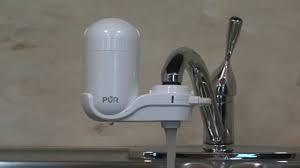
You’ll find activated carbon in pitchers, faucet-mounted filters, and whole-house systems. They’re affordable and easy to replace, though they don’t remove bacteria or viruses effectively. They also need regular replacement—typically every two to six months depending on water quality and usage.
Reverse Osmosis: The Thorough Approach
Reverse osmosis (RO) pushes water through an extremely fine membrane under pressure, removing up to 99% of dissolved solids, including heavy metals, fluoride, and most chemical contaminants. It’s like a microscopic strainer that lets only water molecules pass through.
The downside? Reverse osmosis is slower than other methods and wastes a significant amount of water—typically three gallons of water to produce one gallon of purified water. Installation usually requires professional help, and maintenance can be more involved than simple filter replacement.
UV Purification: Killing Without Chemicals
Ultraviolet light damages the DNA of microorganisms, preventing them from reproducing. It’s a chemical-free way to eliminate bacteria, viruses, and some parasites without adding anything to your water.
The limitation is that UV doesn’t provide residual protection—once water leaves the UV chamber, it’s not protected from recontamination. This is why UV systems are often combined with other filters. Also, UV doesn’t remove chemical contaminants or sediment.
Distillation: The Purest Possibility
Distillation mimics nature’s water cycle by boiling water and collecting the steam, which is then condensed back into liquid. This method removes virtually everything except volatile organic compounds that evaporate easily.
However, distillation is slow and energy-intensive, making it impractical for large quantities. The purified water lacks minerals, which some experts argue isn’t ideal for long-term consumption. Most people use distillation for specific needs rather than everyday drinking water.
Whole-House Systems vs. Point-of-Use Systems
You have two main strategies: treating all water entering your home or just the water you drink and cook with.
Whole-House Solutions
Installing a whole-house system means every tap in your home provides filtered water. This protects appliances from scale buildup, improves shower water quality, and ensures your washing machine uses clean water. The downside is higher upfront costs and more complex maintenance.
Whole-house systems typically include sediment filters, carbon filters, and sometimes softeners. They’re excellent if you have multiple family members or if water quality issues affect multiple uses beyond drinking.
Point-of-Use Filters
Faucet-mounted filters, pitcher filters, and under-sink systems are more affordable and easier to maintain. They’re ideal if you only need purified water for drinking and cooking. You might use a pitcher filter in your refrigerator or install an under-sink reverse osmosis system just at your main kitchen sink.
These solutions are budget-friendly and flexible, but they require you to remember to use them consistently and replace filters on schedule.
Combination Systems: Why One Method Isn’t Always Enough
The most effective approach often combines multiple purification methods. Think of it as layering your defenses—each layer catches different types of contaminants.
Smart System Combinations
A practical combination might include a sediment filter to remove particles, followed by activated carbon to eliminate chlorine and improve taste, and finally a reverse osmosis membrane for thorough purification. Some advanced systems add UV purification or ion exchange softening for additional protection.
The advantage of combination systems is comprehensive protection without over-purifying your water. You’re spending on what you actually need rather than paying for features that don’t address your specific water issues.
Natural and DIY Purification Methods
Not everyone wants to invest in expensive equipment. Several natural methods can help improve water quality.
Solar Disinfection for Small Quantities
If you have clear plastic bottles and sunshine, you can use solar disinfection (SODIS). Fill bottles with water and leave them in direct sunlight for six to eight hours. The UV radiation and heat kill many microorganisms—it’s particularly useful for emergency situations or in areas without electricity.
Letting Water Settle
Simply allowing water to sit in a pitcher overnight allows some sediment to settle to the bottom. While this doesn’t eliminate chemical contaminants or pathogens, it does remove visible particles and improves clarity. Add a few pieces of unscented charcoal from a natural wood source, and you’ll improve taste and remove some chlorine through basic absorption.
Essential Oils and Herbs: Limited Effectiveness
Some people add activated charcoal pieces, lemon juice, or herbs to their water for flavor and supposed purification. While these might improve taste and add beneficial compounds, they’re not reliable methods for removing serious contaminants. Think of them as enhancements to properly filtered water rather than purification solutions on their own.
Maintenance: Keeping Your System Working Optimally
Even the best purification system fails if you don’t maintain it properly. It’s like owning a car—regular maintenance keeps it running smoothly.
Filter Replacement Schedules
Most filters have specific replacement intervals based on gallons filtered or time elapsed. Activated carbon typically needs replacement every two to six months, while reverse osmosis membranes can last two to three years. Check your system’s manual and set calendar reminders so you don’t forget.
Using water past a filter’s capacity means contaminants start passing through unchanged. It’s better to replace too early than too late.
System Cleaning and Sanitization
Mineral buildup can reduce system efficiency. Depending on your system type, you might need periodic cleaning with vinegar solutions or specialized cleaning cartridges. For reverse osmosis systems, you may need to sanitize the membrane yearly.
Testing Your System’s Performance
Periodically test your purified water to ensure your system is still working effectively. Home test kits let you verify that chlorine is being removed and that bacteria levels remain low. This confirms your maintenance schedule is appropriate for your water conditions.
Cost Analysis: Investment vs. Long-Term Savings
Purifying water at home might seem expensive initially, but it’s often cheaper than bottled water over time.
Budget-Friendly Options
A simple pitcher filter costs around fifteen to thirty dollars with replacement filters costing three to eight dollars each. Over a year, you might spend fifty dollars total. Compare this to buying bottled water—a family spending twenty dollars weekly on bottled water spends over one thousand dollars annually.
Premium System Investment
Reverse osmosis under-sink systems cost two hundred to five hundred dollars installed, with annual maintenance and filter replacement costs of one hundred to two hundred dollars. A whole-house system might run one thousand to three thousand dollars plus annual maintenance. While higher upfront, these spread across years and multiple family members become cost-effective.
Environmental Impact of Different Methods
Your purification choice affects the environment beyond just your home.
Water Waste Considerations
Reverse osmosis generates significant wastewater—approximately 3:1 ratio of waste to purified water. If environmental impact concerns you, this might influence your choice. Activated carbon and UV systems don’t waste water but require regular filter replacement, creating landfill waste.
Sustainable Choices
Look for systems with replaceable filters rather than disposable cartridges. Some companies offer recycling programs for used filters. Carbon filters made from sustainable sources and efficient systems that minimize water waste represent more environmentally conscious choices.
When to Seek Professional Help
Sometimes water quality issues require expert intervention.
Persistent Problems and Professional Installation
If your water has unusual characteristics—extreme hardness, high iron content, or unusual odors—a water treatment professional can analyze your situation and recommend appropriate solutions. Some systems require professional installation to function correctly and safely.
If you suspect lead contamination or biological contamination, having professionals conduct testing and recommend certified solutions is worth the investment for your family’s health.
Conclusion
Cleaning your tap water is an important step toward better health and quality of life. Whether you choose a simple pitcher filter, invest in a comprehensive reverse osmosis system, or combine multiple purification methods, the key is taking action based on your specific water quality needs.
Start by testing your water to understand what contaminants you’re dealing with. Then select purification methods that address those specific issues. Remember that the most expensive system isn’t necessarily the best one—the right system is the one that effectively removes the contaminants in your water and fits your lifestyle and budget.
By taking control of your water quality, you’re investing in your family’s health, reducing plastic waste from bottled water, and often saving money in the long run. Your tap water can be clean, safe, and delicious with the right approach.
Frequently Asked Questions About Tap Water Purification
Is tap water really unsafe to drink in developed countries?
Tap water in developed countries meets minimum safety standards set by regulatory agencies, making it generally safe for most people. However, “safe” doesn’t always mean “pure.” Your tap water might contain chlorine, minerals, trace chemicals, or particles that affect taste and odor. People with compromised immune systems, infants, elderly individuals, and pregnant women may benefit from additional purification beyond municipal treatment standards.
How often should I replace my water filter?
Replacement frequency depends on your filter type and water quality. Activated carbon pitcher filters typically need replacement every two to three months, while faucet-mounted filters