How to Clean Water Spots on Windows Without Streaks: A Complete Guide
Water spots on your windows can be incredibly frustrating. You spend time cleaning them, only to watch the sun hit the glass and reveal those stubborn mineral deposits staring right back at you. If you’ve ever wondered why some water spots seem to laugh in the face of your cleaning efforts, you’re not alone. The good news? I’m going to walk you through everything you need to know to get those windows sparkling clean and keep them that way.
Outline of This Guide
- Understanding what water spots really are
- Why water spots keep coming back
- Tools and materials you’ll need
- Step-by-step cleaning methods
- Natural solutions for eco-conscious cleaners
- Commercial products that actually work
- Preventing future water spots
- Common mistakes to avoid
- Special situations and tough cases
- FAQ section
Understanding Water Spots: What Are They Really?
Before you can effectively fight water spots, you need to understand your enemy. Water spots aren’t actually dirty—they’re mineral deposits. Think of them as the leftovers from a microscopic party on your glass. When water evaporates, it leaves behind minerals like calcium and magnesium. These minerals are the culprits causing those annoying marks that make your windows look perpetually dusty.
The Science Behind Mineral Deposits
Hard water is the primary cause of water spots. If you live in an area with hard water, your tap water contains higher concentrations of dissolved minerals. When this water dries on your windows—whether from rain, sprinklers, or your garden hose—those minerals crystallize and bond to the glass surface. It’s like nature’s way of making stickers, except they’re much harder to remove and nobody asked for them.
Hard Water vs. Soft Water: What’s the Difference?
Hard water contains more dissolved minerals, while soft water has fewer. If you’re constantly battling water spots, you likely have hard water. This isn’t a reflection of cleanliness—it’s just geography and geology. Some regions naturally have harder water than others, so don’t blame yourself when those spots appear.
Why Water Spots Keep Coming Back
Here’s something people don’t realize: cleaning water spots is often a temporary fix unless you address the root cause. If you’re using tap water to clean your windows, you might be creating the next batch of spots while removing the current ones. It’s like trying to fill a bucket with a hole in the bottom—you’re making progress, but not as much as you should be.
The Cycle of Continuous Water Spots
When you use regular tap water to clean windows, you’re introducing more minerals to the surface. These minerals dry and crystallize, creating new spots. This is why many professional window cleaners use distilled water or filtered water for their final rinse. They’ve learned through experience that tap water is the enemy of streak-free, spot-free windows.
Essential Tools and Materials You’ll Need
Let me share what I’ve found works best for tackling water spots. You don’t need fancy equipment or expensive solutions, but having the right tools makes a massive difference.
Basic Supplies for Water Spot Removal
- Distilled or deionized water
- White vinegar (five percent acidity)
- Microfiber cloths
- Squeegee with rubber blade
- Spray bottle
- Soft-bristled brush
- Bucket or bowl
- Newspaper or coffee filters
Why Microfiber Cloth Matters
Regular towels and paper towels are your enemy when cleaning windows. They leave lint, streaks, and residue. Microfiber cloths are different—they’re engineered to trap dirt and minerals without leaving fibers behind. When I switched to microfiber, the difference was night and day. They’re also reusable, so they’re budget-friendly over time.
The Squeegee Advantage
A squeegee removes water without dragging minerals across the surface. If you’re wiping water off glass with a cloth, you’re potentially spreading those minerals around. A squeegee removes the water before it can dry, preventing spots from forming in the first place.
Method 1: The White Vinegar Solution
Vinegar is my go-to solution for water spots, and here’s why: it’s acidic enough to dissolve mineral deposits but gentle enough not to damage glass. This is the tried-and-true method that window cleaners have used for decades.
Creating Your Vinegar Solution
Mix equal parts white vinegar and distilled water in a spray bottle. The distilled water is crucial here—you’re trying to avoid introducing new minerals while removing old ones. Spray the solution directly onto the water spots and let it sit for five to ten minutes. This waiting period gives the acid time to break down those mineral bonds.
Applying and Wiping
After letting the solution work, use your microfiber cloth to wipe in circular motions. Don’t scrub aggressively—gentle, consistent pressure works better. For stubborn spots, you might need to repeat this process or let the vinegar sit longer. Some particularly stubborn deposits might need fifteen to twenty minutes of sitting time.
The Final Squeegee Step
Once you’ve removed the bulk of the spots, use your squeegee to remove any remaining liquid. Start at the top and pull downward in one smooth motion. This prevents water from dripping down and creating new spots as it dries.
Method 2: Baking Soda Paste for Tough Spots
Sometimes vinegar alone isn’t enough. For those stubborn, calcified deposits that seem glued to your glass, baking soda comes to the rescue. This method works beautifully for water spots that have been sitting on your windows for months.
Making the Perfect Paste
Combine baking soda with just enough distilled water to create a thick paste. You want it thick enough that it doesn’t drip but spreadable enough to apply evenly. This paste acts as a gentle abrasive that physically breaks apart mineral deposits without scratching the glass.
Application Technique
Apply the paste directly to the water spots and let it sit for ten to fifteen minutes. Use a soft-bristled brush or the corner of your microfiber cloth to gently work the paste into the deposits. You’ll start seeing the spots lighten as the baking soda does its work. This method requires more elbow grease than vinegar alone, but it’s remarkably effective.
Method 3: The Distilled Water and Squeegee Approach
Sometimes the simplest solution is the best. If your water spots are relatively fresh and not heavily calcified, distilled water and a squeegee might be all you need.
Why This Works
Distilled water contains no minerals, so when it sits on your glass and dries, it won’t leave spots. By using distilled water and immediately removing it with a squeegee before it can evaporate, you’re preventing the problem rather than fighting it.
Best Practices for This Method
Work in small sections. Spray distilled water on a portion of your window, immediately follow with your squeegee, and move to the next section. This prevents any water from sitting long enough to dry and create new spots. It’s perfect for maintenance cleaning between deeper cleanings.
Natural Solutions for the Eco-Conscious Cleaner
If you prefer keeping harsh chemicals out of your home and away from your landscaping, there are several natural alternatives that work surprisingly well.
Lemon Juice: Nature’s Acid
Lemon juice contains citric acid, which breaks down mineral deposits just like vinegar does. The bonus? It smells significantly better. Mix equal parts lemon juice and distilled water for an effective cleaning solution. The process is identical to the vinegar method, and the results are equally impressive.
Rubbing Alcohol Solution
Combine rubbing alcohol with distilled water in a three-to-one ratio. This solution evaporates quickly, leaving fewer chances for new spots to form. It’s particularly effective on windows that dry quickly in the sun. The alcohol acts as a drying agent while still having some mineral-breaking properties.
Club Soda Technique
Some people swear by club soda for water spots. The carbonation and minerals in club soda can actually help break down water spot minerals. Spray it on, let it sit for a few minutes, and wipe away. It sounds counterintuitive, but many people report excellent results.
Commercial Products That Actually Deliver Results
Not everyone wants to mix their own solutions, and that’s perfectly fine. Several commercial products are specifically designed for water spot removal and they genuinely work.
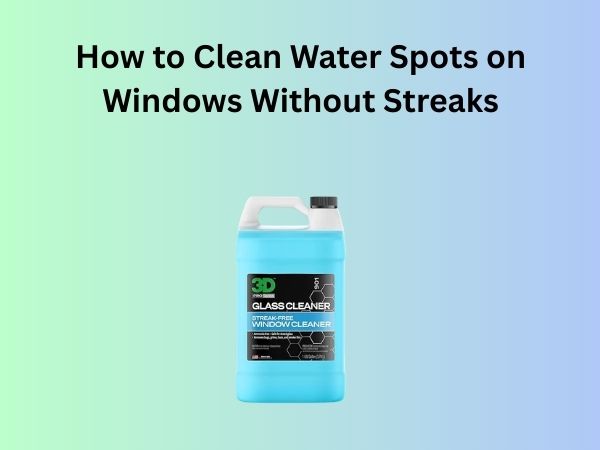
Glass Cleaners Designed for Hard Water
Products specifically formulated for hard water areas contain chelating agents that bind to mineral deposits and suspend them so they can be wiped away. These products are more effective than general-purpose glass cleaners for water spots. Look for ones that specifically mention hard water or mineral deposits on the label.
Protective Coatings
Some commercial products create a protective barrier on your glass that prevents minerals from bonding. These typically need to be applied monthly but can significantly reduce water spot formation. They work by making it harder for mineral deposits to stick to the glass surface.
Preventing Future Water Spots: The Smart Approach
Cleaning water spots is fine, but preventing them is even better. Once you’ve gotten your windows clean, implementing preventive measures will save you time and frustration.
Using Filtered or Distilled Water
When watering plants near windows or washing your windows with a hose, use filtered water when possible. A simple garden hose filter is inexpensive and reduces mineral content significantly. This one change can dramatically reduce water spot formation over time.
Timing Your Window Cleaning
Clean your windows on cloudy days or when the sun won’t be directly hitting them for a few hours. Windows that dry too quickly in direct sunlight tend to show spots more prominently, and the sun’s heat can sometimes make mineral deposits harder to remove.
Regular Maintenance Schedule
Cleaning windows monthly prevents spot buildup. Fresh spots are much easier to remove than months-old deposits. Think of it like dental hygiene—regular maintenance beats emergency cleaning every time.
Installing Protective Film
Protective films and coatings create a barrier between your glass and mineral-laden water. While these require a professional installation investment, they save enormous amounts of time and effort, especially in areas with extremely hard water.
Common Mistakes That Make Things Worse
I’ve made these mistakes myself, so I’m sharing them to help you avoid the same frustrations I experienced.
Using Tap Water for Final Rinse
This is the biggest mistake people make. You clean the spots perfectly, then rinse with tap water and watch in horror as new spots appear as the water dries. Always use distilled water for your final rinse.
Cleaning in Direct Sunlight
When you clean windows in bright sun, the solution dries too quickly, leaving streaks and not giving your cleaning products time to work. Cloudy days or early morning cleaning produces better results.
Rubbing Too Hard
Aggressive scrubbing doesn’t remove water spots faster—it just frustrates you. Gentle, consistent pressure with the right solution works better. Sometimes you just need to let the chemical do the work while you wait.
Mixing Incompatible Products
Never mix vinegar and bleach or other cleaning products. These combinations create toxic fumes and don’t improve cleaning effectiveness. Stick with one solution at a time and rinse thoroughly between different products.
Special Situations: Handling Tough Cases
Some water spots are more stubborn than others. Here’s how to handle specific challenging situations.
Mineral Buildup From Months of Neglect
If your windows have mineral buildup from months or years of exposure, you might need to escalate your approach. Let your baking soda paste sit for thirty minutes or longer, then gently work at it with a soft brush. Multiple applications might be necessary. Patience pays off here.
Spots on Tinted Windows
Avoid abrasive methods on tinted windows, as you could damage the tint. Stick with vinegar solutions and gentle wiping. If baking soda paste is necessary, use it sparingly and very gently. When in doubt, test any solution on a small, inconspicuous area first.
Water Spots Inside Your Home
Interior water spots often come from hard water in your home or from condensation. These tend to be lighter than exterior spots. The vinegar method usually works quickly on interior spots since they haven’t had time to crystallize as heavily.
Storm Doors and Window Screens
Don’t forget about storm doors and screens—they accumulate water spots just like regular windows. Use the same methods on these surfaces. Screens require gentler treatment, so opt for vinegar solution and soft wiping rather than baking soda paste.
The Best Time to Address Water Spots
Timing isn’t just about when you clean—it’s about catching spots while they’re still fresh. New spots are exponentially easier to remove than old ones. The minerals haven’t fully crystallized, so they release from the glass more readily.
Weekly Inspections
Once a week, take a moment to look at your windows from the outside on a sunny day. Spot any new water marks? Clean them immediately using just distilled water and a squeegee if they’re fresh. This takes five minutes and prevents them from becoming permanent headaches.
Conclusion
Water spots on your windows don’t have to be permanent frustrations. Whether you choose vinegar, baking soda, commercial products, or preventive methods, you now have the knowledge to keep your windows crystal clear. The key is understanding that water spots are mineral deposits, not dirt, and choosing your cleaning method accordingly. Start with the vinegar solution for most situations, escalate to baking soda paste for tough spots, and always finish with distilled water and a squeegee to prevent new spots from forming. Most importantly, remember that consistent maintenance beats occasional deep cleaning every single time. Your windows will thank you with that perfect clarity that makes your home feel brighter and cleaner overall.
Frequently Asked Questions
Can I use regular vinegar instead of white vinegar for water spot removal?
White vinegar is preferred because it contains about five percent acidity and has no color, so it won’t stain your windows. Other vinegars like apple cider or balsamic vinegar are darker and have different acidity levels, making them less ideal for glass cleaning. If you’re out of white vinegar, you can use it in a pinch, but white vinegar is the better choice for