
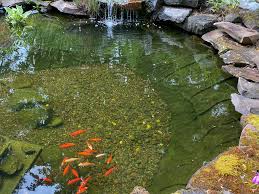
How to Clear Green Pond Water Fast and Safely: A Complete Guide
If you’ve ever looked out at your pond and felt disappointed by that murky green water staring back at you, you’re definitely not alone. Green pond water is one of the most common frustrations that pond owners face, and it can really take the joy out of what should be a beautiful backyard feature. The good news? I’m going to walk you through exactly how to clear that green water and restore your pond to its former glory.
Think of your pond like a delicate ecosystem that’s gotten a bit out of balance. Just like your body needs the right nutrients and balance to stay healthy, your pond needs the same thing. When algae takes over, it’s essentially the pond’s way of telling you something needs adjustment.
Understanding Why Your Pond Water Turns Green in the First Place
Before we jump into solutions, let’s talk about what’s actually causing that green water. Understanding the root cause is half the battle when it comes to fixing any problem. Green water isn’t just an aesthetic issue—it’s telling you something specific about your pond’s condition.
The Role of Algae in Pond Water Discoloration
That green color you’re seeing? That’s algae, specifically single-celled algae called phytoplankton. These microscopic organisms are actually present in every pond, but they only become a problem when conditions are right for them to explode in population. It’s like when you leave bread on the counter—the mold spores are already there, but they need the right conditions to take over.
Algae itself isn’t necessarily bad for your pond’s ecosystem. In fact, it plays a role in the food chain and oxygen production. The problem is when it grows so rapidly that it creates an imbalance.
Key Environmental Factors That Trigger Algae Blooms
Several factors work together to create the perfect storm for algae growth. Understanding these will help you not just fix the problem, but prevent it from happening again.
- Excessive Sunlight: Algae loves sunlight. If your pond gets six or more hours of direct sun daily, you’re creating an ideal growing environment. This is probably the biggest factor in most cases.
- High Nutrient Levels: Nutrients like nitrogen and phosphorus are basically fertilizer for algae. These often come from fish waste, decaying leaves, lawn runoff, and broken-down organic matter.
- Warm Water Temperature: Algae thrives in warm water. Spring and summer are peak algae seasons because the water heats up.
- Stagnant Water: Moving water is healthier water. Still, stagnant water is an invitation for algae to settle in and multiply.
- Insufficient Oxygen Levels: When oxygen levels drop, beneficial bacteria struggle, and algae takes advantage of the power vacuum.
The Fast-Acting Solutions for Clearing Green Pond Water
Now that you understand the why, let’s get to the how. There are several methods you can use, and often the best results come from combining multiple approaches.
Using Pond Clarifiers: The Quick Chemical Fix
If you want results fast, pond clarifiers are your best friend. These products work like magic by clumping together those tiny algae particles so they become heavy enough to sink to the bottom or be filtered out.
When you add a clarifier, you’re essentially making it easier for your filtration system to catch those microscopic particles. Think of it like using a coffee filter—without the filter, you get grounds in your cup, but with it, you get clear coffee. That’s what a clarifier does for your pond.
How to Apply Pond Clarifiers Correctly
The key to getting results is following the instructions precisely. Most clarifiers require you to add them directly to the water, and they work best when your pond has active circulation. You’ll typically see results within 24 to 48 hours. However, be aware that you’ll need to clean out your filter more frequently because it’ll be catching all those particles.
Installing or Upgrading Your Filtration System
Here’s a truth that many pond owners don’t want to hear: inadequate filtration is often the root cause of persistent green water. Your filtration system is like the kidneys of your pond—it’s constantly working to remove waste and keep things clean.
Types of Filters That Work Best
There are several filtration options available, and the best choice depends on your pond size and setup.
- Mechanical Filters: These physically trap debris and particles. They’re great for removing visible waste but need regular cleaning.
- Biological Filters: These contain beneficial bacteria that break down organic matter and reduce nutrients that feed algae. This is a more natural approach.
- UV Clarifiers: These use ultraviolet light to kill algae cells directly. They’re highly effective for green water and work fast.
- Combination Systems: Many modern systems combine mechanical, biological, and UV filtration for comprehensive water quality.
The Power of UV Clarifiers for Immediate Results
If you absolutely need to clear green water fast, a UV clarifier is probably your fastest option. These devices work by exposing the water to ultraviolet light, which damages the DNA of algae cells and causes them to die.
The beauty of a UV clarifier is that it’s both fast and relatively affordable. You can expect to see clearer water within days of installation. The downside is that it only treats water that passes through the unit, so your pond circulation rate matters.
I always tell people that UV clarifiers are like a quick fix—they solve the immediate problem beautifully, but you still need to address the underlying cause to prevent the green water from coming back.
Natural and Biological Approaches to Pond Clearing
If you prefer to work with nature rather than chemicals, there are several excellent approaches. These methods work more slowly but create lasting improvements to your pond’s overall health.
Adding Beneficial Bacteria to Your Pond
Beneficial bacteria are like hiring a cleanup crew for your pond. These microorganisms consume the very nutrients that algae feeds on, essentially starving the algae while improving water quality overall.
You can add beneficial bacteria in the form of liquid cultures or dry granules. The bacteria establish themselves in your filter and on all surfaces in your pond, working 24/7 to maintain balance. This approach takes longer than chemical solutions—usually two to three weeks to see noticeable improvement—but the results are more sustainable.
Introducing Aquatic Plants to Compete with Algae
Here’s something counterintuitive: adding more plants to fight algae. But it works. Aquatic plants like water lilies, marginal plants, and submerged plants all consume the same nutrients that algae needs. When you plant them densely enough, they basically out-compete the algae.
Additionally, plants reduce the amount of sunlight that reaches the water column, which naturally suppresses algae growth. It’s like creating shade at the beach—less sun means less exposure.
Best Plant Choices for Algae Control
- Water Lilies: These provide excellent surface coverage and shade. They’re beautiful and functional.
- Lotus Plants: Similar to lilies but with a more dramatic appearance.
- Marginal Plants: Plants around the edges like cattails, water iris, and pickerel provide shade and nutrient absorption.
- Submerged Plants: Anacharis and water sprite grow underwater and directly compete with algae.
Increasing Water Circulation and Aeration
Movement is life in a pond. Stagnant water breeds problems, while moving water stays healthier. This is why fountains, waterfalls, and air pumps are so effective.
When you increase water movement, you accomplish several things at once. You increase oxygen levels, which beneficial bacteria need to thrive. You reduce still spots where algae can settle. You also improve the overall mixing of the pond, preventing stratification where different water layers separate.
A Step-by-Step Action Plan for Clearing Your Green Pond
Now let’s create a practical roadmap you can follow to solve this problem.
Immediate Actions (Days 1-3)
If you need results right now, here’s what to do immediately:
- Add a pond clarifier according to package instructions
- If you have a UV clarifier, turn it on or install one if you don’t have it
- Increase water circulation by turning on pumps and fountains
- Do a partial water change (about 25 percent) to dilute nutrient concentrations
- Clean any existing filters thoroughly
Short-Term Improvements (Weeks 2-4)
As the immediate green water clears, focus on preventing it from coming back.
- Add beneficial bacteria to establish biological balance
- Install aquatic plants if you don’t have them, or add more if you do
- Create shade over your pond using netting or positioning plants strategically
- Check and upgrade your filtration system if necessary
- Remove any accumulated sludge from the pond bottom
Long-Term Prevention (Ongoing)
To keep your water clear, make these practices part of your routine.
- Clean your filter regularly—at least monthly during peak season
- Remove fallen leaves and debris promptly
- Keep 50 to 70 percent of your pond surface shaded
- Maintain good water circulation year-round
- Test water quality quarterly
- Avoid overfeeding fish, as excess food becomes waste
- Consider adding bacteria cultures seasonally
Common Mistakes That People Make With Green Pond Water
I’ve seen plenty of pond owners make the same mistakes, and I want to help you avoid them.
Mistake One: Doing Nothing and Hoping It Clears On Its Own
Green water won’t fix itself. In fact, as temperatures warm, it usually gets worse. The moment you notice green water, it’s time to act.
Mistake Two: Treating Only Symptoms, Not Causes
If you keep treating green water with clarifiers but don’t address nutrient overload or lack of filtration, you’re on a treadmill. The water will clear temporarily, then turn green again.
Mistake Three: Draining and Refilling Your Entire Pond
Many people’s first instinct is to drain everything and start fresh. This actually destroys the beneficial bacteria colony you’ve built and can harm any fish. Save this for absolute last resorts.
Mistake Four: Ignoring Filter Maintenance
A dirty filter is almost useless. If you’re not cleaning your filter regularly, you’re essentially not filtering at all. This is one of the most commonly overlooked maintenance tasks.
When to Call a Professional
Sometimes, despite your best efforts, the problem persists. This might be the time to bring in someone with expertise.
Professional pond services can perform water testing to identify specific nutrient imbalances, recommend custom filtration solutions, and implement advanced treatments. They might identify issues you wouldn’t think of, like improper pond construction or underlying drainage problems bringing in excess nutrients.
Preventing Green Pond Water: Long-Term Strategies
The best way to deal with green water is to never have it in the first place. Here are the cornerstone strategies for long-term prevention.
Proper Pond Sizing and Filtration Design
If you’re building a new pond, invest in adequate filtration from the start. A filter that processes your entire pond volume at least once per hour is a good baseline. Bigger filters mean less frequent cleaning and better water quality.
Strategic Pond Placement
When deciding where to place your pond, shade is your friend. A location that gets afternoon shade from trees or structures will have fewer algae problems than one in full sun all day. If it’s too late to move your pond, consider adding shade structures or shade plants around it.
Regular Maintenance Schedule
Consistency beats intensity. Spending 15 minutes every week maintaining your pond prevents the big problems. Most issues start small and grow if ignored.
Understanding Water Quality Tests
If you want to take your pond management seriously, learning to test your water is invaluable. You can buy test kits that measure pH, ammonia, nitrite, nitrate, and phosphate levels.
High phosphate and nitrate levels specifically indicate nutrient overload that’s feeding algae. If your tests show these are high, you know to focus on nutrient reduction—either through water changes, plant additions, or bacteria treatments.
Conclusion
Green pond water is frustrating, but it’s completely solvable. Whether you choose to tackle it with fast chemical solutions like clarifiers and UV sterilizers, or prefer the slower but more natural approaches using plants and beneficial bacteria, you have options.
The key is to act quickly on the immediate problem while also addressing the underlying causes. Use a combination approach if possible—add clarifier for immediate results, install UV if needed for speed, but also upgrade your filtration, add plants, and improve circulation for lasting health.
Remember that pond management is an ongoing commitment, not a one-time fix. Those few minutes each week spent maintaining your pond will pay dividends in clear, beautiful water that you’ll actually enjoy looking at. Your backyard oasis is worth the effort.
Frequently Asked Questions About Clearing Green Pond Water
How long does it take for pond clarifier to work?
Most pond clarifiers begin working within 24 hours, with maximum clarity typically achieved within 48 hours. The exact timeline depends on the product used, your water temperature, and how much circulation you have. Warmer water usually means faster results, while stagnant water takes longer. You should see noticeable improvement by the second day after application.
Is green pond water dangerous for fish and plants?
Green water itself isn’t directly toxic to fish or plants, but it indicates an imbalance. The real danger comes from the oxygen depletion that often accompanies dense algae blooms. When algae dies, bacteria decompose it, consuming oxygen in the process. This can create low-oxygen conditions that stress fish. Plants also struggle because they can’t access sunlight through the green water. So while the color isn’t the issue, what it represents can be harmful.
Can I use regular tap water to refill my pond when doing water changes?
You can, but it’s not ideal. Tap water often contains chlorine or chloramine, which can harm beneficial bacteria and fish. If you must use tap water, let it sit for at least 24 hours before adding it to your pond, or use a dechlorinator product. Additionally, tap water that’s much cooler than your pond water can shock fish. Aim for temperature similarity when doing water changes.
How much shade do I need to prevent algae growth?
Generally, you want to shade 50 to 70 percent

