How to Detect Water Leak Underground: A Complete Guide to Finding Hidden Leaks
Water leaks beneath your property can be incredibly frustrating and expensive if left undetected. Unlike leaks you can see dripping from a pipe under your sink, underground water leaks operate in the shadows, silently wasting thousands of gallons of water each year. The tricky part? You might not even realize you have one until your water bill skyrockets or you notice unexplained wet patches in your yard.
I’m going to walk you through everything you need to know about detecting underground water leaks, including the warning signs to watch for, practical detection methods you can try yourself, and when it’s time to call in the professionals.
Understanding Underground Water Leaks and Why They Matter
Before we dive into detection methods, let’s talk about what we’re actually dealing with. Underground water leaks typically occur in the pipes that supply water to your home from the main water line. These pipes run beneath your property, making them difficult to access and even harder to spot when something goes wrong.
Think of it this way: your underground pipes are like hidden arteries carrying water to your home. When one ruptures or develops a crack, the water escapes into the soil around it, causing all sorts of problems you’ll notice on the surface.
Why Underground Leaks Are More Dangerous Than You Think
Underground leaks aren’t just an inconvenience—they can cause serious damage to your property’s foundation, create sinkholes, encourage mold growth, and waste an enormous amount of water. A single leak can waste between 250 to 1,000 gallons of water per day, depending on its severity. That’s roughly equivalent to filling 150 bathtubs with water every single day.
The Most Common Warning Signs of Underground Water Leaks
Your property will give you clues that something’s wrong if you know what to look for. Let me break down the most reliable indicators that you might have an underground leak.
Unusually High Water Bills
One of the earliest signs of an underground leak is a sudden spike in your water bill. If your usage hasn’t changed but your bill has increased by 25 percent or more, that’s a red flag worth investigating. Water meters don’t lie—they record every drop that flows through your pipes.
Wet Patches and Soggy Areas in Your Yard
Walk around your property and pay attention to areas that stay wet longer than they should after rain or watering. If you notice patches of grass that are unusually green and lush compared to the rest of your lawn, or areas that remain muddy when surrounding spots have dried out, you’re likely looking at an underground leak.
These wet zones form because water is constantly seeping into the soil from the broken pipe beneath.
Unexplained Cracks in Your Foundation or Driveway
Water is incredibly powerful. When it escapes from underground pipes, it doesn’t just sit there—it shifts the soil, creates erosion, and puts stress on structures above it. Foundation cracks, driveway fissures, or pavement buckling can all be symptoms of water leaks underground.
The Sound of Running Water When Nothing Is On
Turn off every water-using appliance in your home and listen carefully. Do you hear water running? That hissing or trickling sound when everything should be silent is often a dead giveaway of a leak somewhere in your system. Sometimes the leak is underground, and the sound travels through pipes to where you can hear it inside.
Mold Growth in Unexpected Places
Mold loves moisture. If you’re noticing mold patches in your basement, crawlspace, or even on your exterior walls when there’s no obvious water source, an underground leak might be feeding it.
Simple DIY Methods to Detect Underground Water Leaks
Not every leak requires hiring a professional immediately. Here are several techniques you can try yourself to pinpoint the problem.
The Water Meter Test
This is one of the easiest and most reliable DIY methods. Here’s how it works:
- Locate your water meter (usually near your property’s main water line, often in the front yard)
- Make sure no one is using water in or around your home
- Record the meter reading
- Wait two hours without using any water
- Check the meter again
If the meter has moved, water is flowing through your pipes when nothing should be running. This confirms a leak exists, though it doesn’t tell you whether it’s above or below ground.
Checking Your Pressure Gauge
Many homes have a pressure gauge on their main water line. Normal household water pressure typically ranges between 40 and 80 PSI. If your pressure is lower than normal, it could indicate water is escaping somewhere in the system.
Some water companies will check this for free, or you can purchase an inexpensive pressure gauge at any hardware store.
Inspecting Above-Ground Pipes
While the leak you’re after is underground, it’s worth checking exposed pipes in basements, crawlspaces, and under sinks first. Look for moisture, mineral deposits, or puddles around visible pipes. Sometimes what seems like an underground leak is actually above ground and much easier to fix.
The Visual Inspection Method
Walk your property systematically and look for these visual clues:
- Areas where soil has sunk or settled unexpectedly
- Unusually green or overly wet patches in your lawn
- Fungus or algae growth in specific spots
- Pooling water that persists even in dry weather
- Cracks in concrete or pavement forming in straight lines
- Indentations in your yard that follow the path of your water line
Professional Detection Techniques for Underground Leaks
When DIY methods don’t pinpoint the problem or you want absolute certainty, professionals have several advanced tools at their disposal.
Acoustic Leak Detection
This technology listens for the sound of water escaping from pipes. Leaking water makes distinct acoustic signatures that trained technicians can identify using specialized equipment. They’ll place sensitive listening devices on the ground above where they suspect the leak is located.
It’s like using a stethoscope on your property—the professional hears things we can’t detect with our ears alone.
Thermal Imaging and Infrared Technology
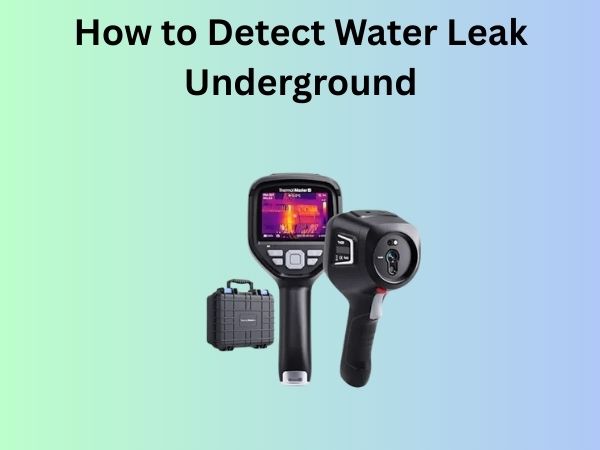
Leaking water changes the temperature of the soil and air around it. Thermal cameras can detect these temperature variations and help pinpoint exactly where water is escaping. This method works particularly well in cool weather when the temperature contrast is more pronounced.
Ground Penetrating Radar (GPR)
GPR sends electromagnetic waves into the ground and analyzes how they bounce back. This sophisticated technology can literally map what’s underground, showing pipe locations, water accumulation, and soil changes that indicate a leak.
Video Camera Inspection
Small waterproof cameras can be sent through your pipes to visually inspect them from the inside. This method reveals cracks, corrosion, breaks, and other damage that might be causing leaks.
Dye Testing
For some suspected leaks, professionals use food-grade dye to trace water movement. They introduce the dye into the system and watch where it goes, helping them confirm leak locations without invasive digging.
Different Types of Underground Pipes and Common Leak Locations
Understanding your water line helps you anticipate where leaks commonly occur.
Main Water Supply Lines
The pipe running from the municipal water source to your home’s main shutoff valve is called the main water line. This is often where major leaks happen because it carries the most pressure and is subjected to the most stress.
Distribution Pipes
Once water enters your home, it travels through distribution pipes. Leaks in these underground sections typically cost less to repair than main line leaks because they carry less volume.
Common Leak Points
Leaks tend to develop at specific vulnerable locations:
- Pipe joints and connections where pipes meet
- Areas where pipes bend or change direction
- Sections passing through freeze-thaw cycles
- Older pipes made from galvanized steel or outdated materials
- Spots where tree roots have invaded the pipe
- Areas where the soil has shifted or settled
Factors That Increase Your Risk of Underground Leaks
Some properties are more prone to underground leaks than others. Understanding your risk factors helps you stay vigilant.
Age of Your Water Lines
Pipes don’t last forever. Most water lines last between 50 and 75 years. If your home is older than this, your pipes might be reaching the end of their lifespan. Older pipes made from clay, cast iron, or galvanized steel are particularly susceptible to corrosion and breaking.
Soil Type and pH Balance
Certain soil compositions are more corrosive to pipes than others. Acidic soil is particularly harsh on metal pipes, accelerating corrosion. If your property has acidic or highly mineral-rich soil, your pipes face greater stress.
Freezing Temperatures and Climate
In areas that experience freeze-thaw cycles, water inside pipes expands when frozen and contracts when thawed. This constant stress weakens pipes and creates cracks. If you live somewhere that gets cold winters, you’re at higher risk.
Tree Roots and Vegetation
Thirsty tree roots will actively seek out water sources, and they have no respect for pipe materials. Roots can puncture and crack pipes searching for moisture. Properties with large trees or invasive vegetation have higher leak risks.
Ground Movement and Settling
When soil settles, shifts, or experiences movement from earthquakes or construction, it puts stress on pipes. Properties on slopes or in areas with unstable soil face increased leak risk.
Steps to Take When You Suspect an Underground Leak
If you’ve noticed warning signs, here’s the action plan to follow.
Start With Documentation
Keep records of your water bills, noting when unusual increases began. Take photos of wet patches, cracks, and suspicious areas. Document when you first noticed signs of a leak. This information will help professionals assess the situation.
Locate Your Main Water Shutoff Valve
Know where this is before you need it. If a leak becomes severe and you need to shut off water to your home quickly, you’ll be glad you already know the location.
Perform the DIY Tests
Try the water meter test and visual inspection methods before calling a professional. These might pinpoint the issue or confirm you need expert help.
Call a Professional
If you’ve confirmed a leak but can’t locate it, contact a licensed plumber or leak detection specialist. They’ll have the equipment and expertise to find it quickly.
Prevention Tips to Avoid Future Underground Leaks
Once you’ve dealt with a leak, you’ll want to prevent future ones.
Regular Maintenance and Inspections
Have your water lines inspected every few years, especially if your home is older. Catching small problems early prevents expensive disasters.
Monitor Your Water Bill
Check your water usage regularly. A sudden increase is often the first warning sign of trouble.
Control Water Pressure
Excessively high water pressure stresses pipes. Installing a pressure regulator can protect your system and reduce leak risk.
Address Tree and Root Issues
Trim trees away from your water lines and consider professional root removal if tree roots are problematic in your area.
Upgrade Old Pipes
If your water lines are approaching 50 years old, consider replacing them proactively with modern PEX or PVC pipes that resist corrosion and root infiltration.
Cost Considerations for Leak Detection and Repair
Understanding the financial side helps you make informed decisions.
Leak Detection Costs
Professional leak detection typically costs between $100 and $400, depending on the detection method used and your location. While this might seem expensive, it’s a worthwhile investment compared to the cost of an undetected leak wasting thousands of gallons monthly.
Repair Costs
Actual repairs vary widely based on the leak’s location, severity, and pipe type. A small repair might cost $300 to $500, while replacing an entire main water line could run $3,000 to $10,000 or more. The longer a leak goes undetected, the more expensive the damage becomes.
When to Call a Professional vs. DIY Solutions
Not every leak situation requires professional intervention, but some definitely do.
DIY Attempts Are Reasonable For:
- Confirming whether a leak exists using the water meter test
- Checking visible pipes for moisture or damage
- Visual inspection of your property
- Locating your water shutoff valve
Call a Professional For:
- Determining the exact location of underground leaks
- Using advanced detection equipment
- Repairing or replacing underground pipes
- Video inspection of pipes
- Any work that requires digging or accessing pipes beneath concrete
Conclusion
Detecting water leaks underground requires awareness, systematic investigation, and sometimes professional help. By understanding the warning signs—unusual water bills, wet patches in your yard, strange sounds, and foundation cracks—you can catch leaks early before they cause expensive damage.
Start with simple DIY tests like the water meter check, then move to professional detection methods if needed. Remember that investing in leak detection now can save you thousands in property damage and wasted water later. Whether you handle the initial investigation yourself or call in experts from the start, addressing underground leaks quickly is always the right decision. Your wallet, your property, and the environment will all thank you for staying proactive about this often-hidden problem.
Frequently Asked Questions
What is the most reliable way to detect an underground water leak?
The water meter test is the most reliable initial method because it directly measures water flow. However, for pinpointing the exact location of an underground leak, acoustic leak detection and thermal imaging are considered the most accurate professional methods. Acoustic technology picks up the sound of escaping water, while thermal imaging detects temperature changes in soil caused by water seepage.
How much water does an average underground leak waste?
An underground water leak can waste anywhere from 250 to 1,000 gallons per day,