
Safely Drain Freon From Your Car AC System
You’re probably wondering how to safely drain Freon from your car’s air conditioner. The easiest way to do this is by using a properly designed recovery machine. It’s important to know that releasing Freon into the atmosphere is illegal and harmful to the environment.
Most car AC systems use a refrigerant called R-134a. This substance needs careful handling. Many mechanics recommend a professional recovery service if you’re unsure. We found that doing this yourself requires specific tools and knowledge to be done safely and legally.
- Use a Freon recovery machine for safe removal.
- Releasing Freon is illegal and bad for the environment.
- Consider a professional service for peace of mind.
- Handle refrigerants with care and wear safety gear.
Let’s walk through the steps involved in draining Freon from your car’s AC system, ensuring you do it the right way.
Removing Refrigerant from Your Car’s AC System
So, you need to get the Freon out of your car’s air conditioner. This isn’t like draining your oil. It’s a process that requires specific tools and a careful approach. Refrigerants, like the R-134a commonly found in cars, are regulated. Releasing them into the air is not only bad for the planet but also illegal. We’ve looked into how this is done safely and responsibly.
Why You Need Specialized Equipment
Think of refrigerants as a powerful substance. They are designed to change state easily. This helps your AC system cool your car. However, they can be harmful if released. This is why special equipment is needed to handle and contain them.
Understanding Refrigerant Types
Most vehicles made after 1994 use R-134a. Older cars might have R-12. R-12 is an ozone-depleting substance. It’s much more restricted. Whatever type your car uses, you can’t just vent it. Environmental protection agencies have strict rules about refrigerants (EPA).
The Dangers of Improper Handling
Releasing refrigerants can harm the ozone layer. It also contributes to global warming. Some refrigerants can also cause frostbite on contact. They can displace oxygen in enclosed spaces. That’s why safety gear is a must. We found that even a small leak can be a big problem.
The Right Tool for the Job: Recovery Machines
You absolutely need a refrigerant recovery machine. These machines are designed to pull the refrigerant out of your car’s AC system. They then store it in a special, sealed container. This prevents any release into the atmosphere. Buying one can be pricey if you only need it once. Renting is often a good option for DIYers.
How a Recovery Machine Works
These machines operate on a simple principle. They create a vacuum. This vacuum sucks the refrigerant from your AC system. It’s similar to how a vacuum cleaner works, but much more precise. The recovered refrigerant is then stored safely for later disposal or recycling.
What to Look for in a Recovery Machine
When choosing or renting a machine, look for one that’s certified. It should meet EPA standards. Many machines are designed for specific refrigerants. Ensure it’s compatible with R-134a if that’s what’s in your car. Some machines have built-in scales to measure how much refrigerant you’ve recovered.
Step-by-Step: Safely Draining Your AC System
Once you have the right equipment, you’re ready. Safety is the top priority throughout this process. Wear your safety glasses and gloves. Make sure you are in a well-ventilated area. This is not a job for your garage if it’s not well-aired.
Gathering Your Supplies
Here’s a quick checklist of what you’ll need:
- Refrigerant recovery machine
- Sealed recovery tank (usually comes with the machine or is rented)
- Safety glasses
- Heavy-duty gloves
- Wrench set (for disconnecting lines)
- Service manual for your car (helpful for locating AC components)
- Ventilation!
Connecting the Recovery Machine
Your car’s AC system has service ports. These are usually labeled ‘H’ for high pressure and ‘L’ for low pressure. You’ll connect your recovery machine to these ports. The service manual will show you exactly where they are. Consult your machine’s manual for specific connection instructions. The process generally involves connecting hoses to the machine, the recovery tank, and the car’s service port.
Initiating the Recovery Process
Turn on the recovery machine. It will begin to draw the refrigerant out. This can take some time, depending on how much refrigerant is in the system. Monitor the machine’s gauges. They will indicate the pressure and the amount of refrigerant being recovered. Many experts recommend connecting to the low-pressure (L) port for the most efficient recovery.
What to Watch For During Recovery
Listen for any unusual noises from the machine. Keep an eye on the pressure. If it drops too low, it might mean the system is empty or there’s a leak. The machine should eventually stop drawing refrigerant. This indicates the system is empty or near empty. Some machines will automatically shut off. Others require manual monitoring.
Disconnecting and Storing
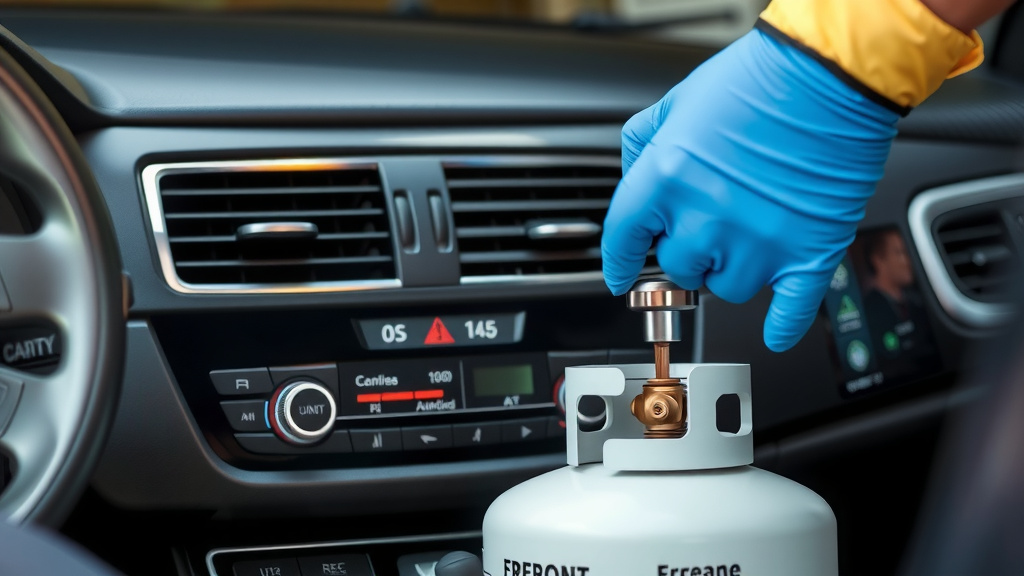
Once the recovery is complete, turn off the machine. Carefully disconnect the hoses. Ensure all connections are sealed. The recovered refrigerant is now in the recovery tank. This tank must be stored upright. It needs to be kept in a cool, dry place. Label the tank clearly with the type of refrigerant inside.
What to Do With Recovered Refrigerant
You can’t just pour old Freon down the drain. You need to dispose of it properly. Many auto parts stores and repair shops offer refrigerant recycling services. You can also take it to a hazardous waste disposal facility. Check with your local municipality for options. Recycling ensures it doesn’t harm the environment.
When to Call a Professional
If any of this sounds overwhelming, don’t hesitate to seek help. AC systems can be complex. Many automotive repair shops have certified technicians. They have the latest recovery equipment. They also understand all the environmental regulations. It might cost more upfront, but it offers peace of mind. We found that for many, this is the simplest and safest route.
Factors Suggesting Professional Help
Consider a professional if:
- You don’t have access to a recovery machine.
- You’re unsure about connecting the equipment.
- Your car is older and might have R-12 refrigerant.
- You suspect a significant leak in the AC system.
- You simply don’t feel comfortable doing it yourself.
Conclusion
Safely draining Freon from your car’s AC system is critical. You’ve learned that using a specialized refrigerant recovery machine is the only responsible way. Remember, venting this substance is illegal and harmful to our planet. While DIY is possible with the right tools and knowledge, don’t hesitate to choose a professional service. This ensures compliance and protects you from potential risks. For your next AC project, make sure you have the correct equipment and follow these guidelines closely.
Frequently Asked Questions
Can I just let the Freon out?
No, you absolutely cannot. Releasing Freon into the atmosphere is illegal in the United States. It’s also very harmful to the environment, contributing to ozone depletion and global warming. You must use proper recovery equipment.
How much does a refrigerant recovery machine cost?
Refrigerant recovery machines can be quite expensive, often costing several hundred dollars or more. If you only need one for a single job, we found that renting a machine from an auto parts store or tool rental shop is a much more cost-effective option.
What safety gear do I need?
You should always wear safety glasses to protect your eyes from any potential spray. Heavy-duty, chemical-resistant gloves are also essential to prevent frostbite or skin irritation. Ensure you are working in a well-ventilated area.
Where do I take the recovered Freon?
You cannot dispose of recovered refrigerant in your regular trash. Most auto parts stores and repair shops offer recycling services for refrigerants. You can also contact your local municipality about designated hazardous waste disposal sites.
Is R-134a the only type of refrigerant?
R-134a is the most common refrigerant in cars manufactured after 1994. Older vehicles might use R-12, which is an ozone-depleting substance and has even stricter regulations. Always confirm the type of refrigerant your car uses before attempting any AC work.