How to Drain a Water Tank: A Complete Step-by-Step Guide
Why Do You Need to Drain Your Water Tank?
Before we dive into the how, let’s talk about the why. Understanding your motivation makes the entire process feel more purposeful. Water tanks need draining for several legitimate reasons, and recognizing them helps you approach the task with the right mindset.
Regular Maintenance and Cleaning
Over time, sediment, rust, and mineral deposits accumulate at the bottom of your water tank like unwanted guests who overstayed their welcome. This buildup can affect water quality and tank efficiency. Regular draining allows you to flush out these contaminants and keep your water fresh and clean. It’s essentially giving your tank a good bath.
Preparing for Repairs or Inspections
Sometimes your tank needs professional attention. Maybe there’s a leak, corrosion on the interior walls, or a valve that needs replacement. You can’t safely inspect or repair an actively filled tank, so draining becomes a necessary prerequisite for these maintenance tasks.
Seasonal Considerations
If you live in an area with harsh winters, leaving water in an exposed tank can lead to freezing and bursting pipes. Draining your tank before winter arrives is like tucking your home in for the season, protecting your investment from the cold.
Moving or Decommissioning Your Tank
Whether you’re relocating your tank or replacing it entirely, draining is the first step. You certainly don’t want to move a thousand pounds of water along with your tank.
Essential Safety Precautions Before Starting
Safety should always be your first priority. Taking a few minutes to prepare properly can prevent accidents, injuries, and water damage to your property. Let me walk you through the critical safety steps.
Turn Off the Water Supply
This is step number one, and I cannot stress this enough. Locate your main water shut-off valve and turn it off completely. This prevents new water from entering the tank while you’re draining it. Imagine trying to empty a bathtub while the faucet is still running, and you’ll understand why this matters.
Release Pressure from the System
If your tank is pressurized, you need to release that pressure before opening any valves or drains. Look for a pressure relief valve, usually located at the top of the tank. Open it slowly to let air escape. You might hear a hissing sound, which is completely normal and indicates the pressure is being released.
Wear Appropriate Protective Gear
Water and gravity are a combination you need to respect. Wear gloves to protect your hands from rough surfaces or contaminated water, and consider safety glasses to shield your eyes from splashes. If you’re working with older tanks that might contain sediment or rust particles, a dust mask is also a smart idea.
Ensure Proper Drainage Area
Make sure you’re draining in a location where water won’t cause damage to your property or your neighbor’s property. Ideally, direct the water toward a storm drain, garden area, or designated drainage zone. If you’re unsure about local water disposal regulations, check with your municipality first.
Tools and Materials You’ll Need
Having the right equipment on hand before you start makes the entire process smoother and safer. Here’s what you should gather.
Essential Tools
- A reliable garden hose or drainage hose that fits your tank’s drain valve
- An adjustable wrench or pipe wrench for opening valves
- A bucket for catching initial water flow
- Towels or rags for cleaning up spills
- A flashlight for seeing inside the tank if needed
- Gloves and safety glasses for personal protection
- A dust mask if dealing with sediment
Optional but Helpful Items
- A pump if your tank doesn’t have a drain valve
- A vacuum system for removing stubborn sediment
- Cleaning supplies for post-drainage maintenance
- A container for testing water quality
Preparing Your Tank for Drainage
Preparation is where many people rush, but taking your time here pays dividends. It’s like preparing a workspace before a big project, everything goes more smoothly when you’ve thought things through.
Locate All Access Points
Walk around your tank and identify the main drain valve, overflow pipes, vents, and any other access points. Understanding the layout of your tank helps you anticipate where water will come from and how to manage it effectively.
Clear the Area Around Your Tank
Move any items stored near your tank to a safe distance. You don’t want valuable equipment getting wet or blocked from your working area. Create a clear perimeter so you have freedom of movement.
Position Your Drainage Hose
Before you open any valves, get your drainage hose positioned exactly where you want the water to go. Attach it to the drain valve or position it to direct the water flow appropriately. Testing that water can flow freely through the hose before you start is a smart move.
Have a Backup Plan
What if the drain valve is stuck or damaged? What if the hose connection leaks? Think through potential problems and have solutions ready. Having a bucket nearby and knowing where emergency shut-offs are located can save the day.
The Step-by-Step Process for Draining Your Water Tank
Now we’re getting to the main event. Follow these steps in order, and you’ll successfully drain your tank without unnecessary drama or mess.
Step One: Shut Off Water Supply and Power
If your tank has an electric heating element or pump, switch off the power at the breaker. This ensures your safety and prevents the equipment from running while the tank is empty, which could damage it.
Step Two: Release Air Pressure
Open the pressure relief valve at the top of the tank. You’ll likely hear air escaping, which is exactly what you want. This step is crucial because it allows water to flow freely from the drain valve without creating a vacuum inside the tank.
Step Three: Open the Main Drain Valve Slowly
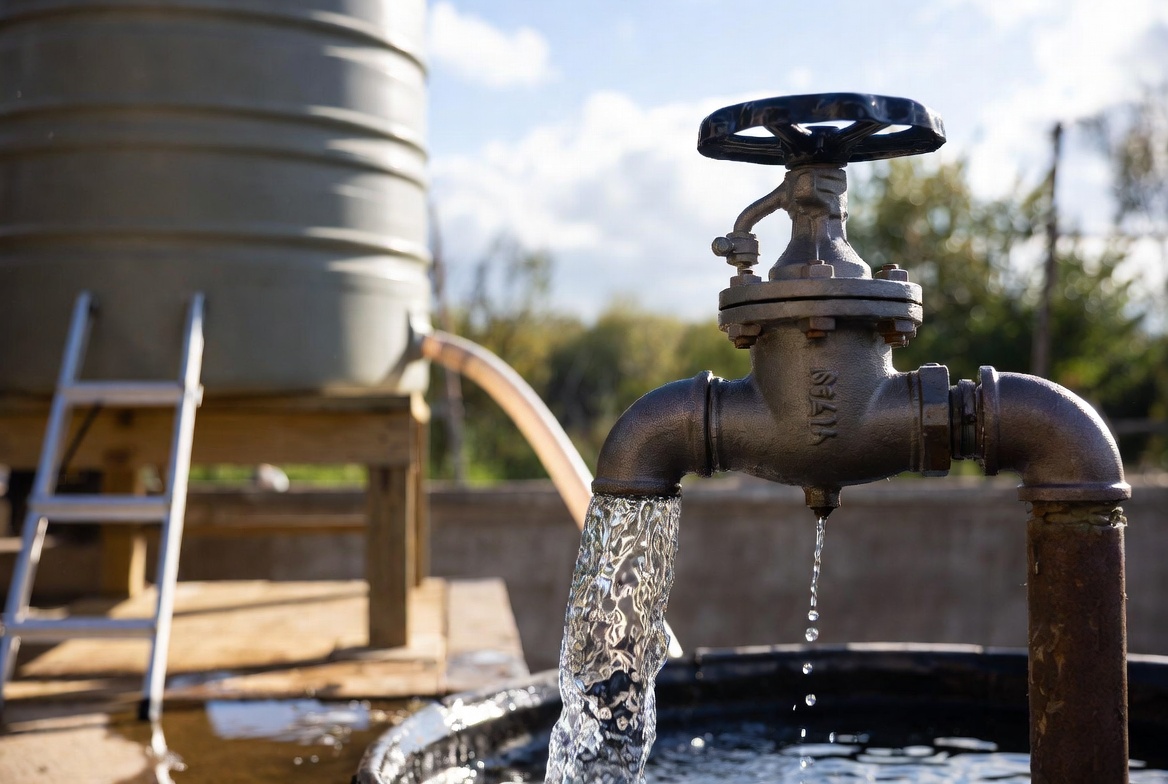
Now comes the moment of truth. Locate your main drain valve, usually found at the lowest point of the tank. Using your wrench, turn the valve counterclockwise to open it. Do this slowly and gradually, especially if it’s your first time. Water will begin flowing out, and you want to control that flow to prevent splashing or overwhelming your drainage system.
Step Four: Direct the Water Flow
Make sure your hose is positioned correctly and water is flowing where it should. If you notice the water pressure is too strong, you can partially close the valve to reduce flow. It’s better to drain slowly and maintain control than to rush and create a mess.
Step Five: Monitor the Draining Process
Don’t just walk away. Stay nearby and check on the progress regularly. Listen for changes in water flow, which might indicate the tank is nearly empty. Large tanks can take several hours to drain completely, so plan accordingly.
Step Six: Drain Completely
Continue until no water comes out. You might notice the final bit of water is dirtier or contains sediment. This is normal and actually indicates your tank needed this cleaning. Some people use this opportunity to flush out additional sediment by adding clean water briefly and draining it again.
Step Seven: Close the Drain Valve
Once the tank is empty, close the drain valve tightly by turning it clockwise with your wrench. Make sure it’s secure, but don’t over-tighten, as this can damage the valve.
Handling Different Types of Water Tanks
Not all water tanks are created equal. Depending on your tank type, the drainage process might vary slightly.
Pressurized Tanks
Pressurized tanks have built-in pressure regulators and relief valves. These tanks store water under pressure, which is why releasing that pressure before draining is absolutely essential. The advantage is that they typically drain quickly once opened.
Gravity-Fed Tanks
These tanks rely on gravity to move water, often found on rooftops or in elevated positions. They usually drain more slowly than pressurized tanks, but the process is simpler since there’s no pressure to worry about.
Hot Water Tanks
If you’re draining a hot water heater tank, extra caution is necessary. The water inside can be extremely hot, so wear heavy-duty gloves and allow the water to cool somewhat before beginning. Never drain a hot water tank immediately after use.
Septic or Storage Tanks
These require different approaches. Septic tanks should typically be pumped out by professionals, not drained manually. For storage tanks, ensure you’re following local regulations about where the water can be disposed.
What to Do With Your Drained Water
Once the water is out of your tank, you have responsibility for that water. Be environmentally conscious about disposal.
Garden and Landscape Irrigation
If the water is relatively clean, use it to water your garden, lawn, or landscaping. Most plants don’t mind receiving water that’s been sitting in a tank, especially if it hasn’t been chemically treated.
Street and Storm Drains
Direct clean water toward appropriate municipal drainage systems. Many cities have designated storm drains specifically for this purpose.
Contaminated Water Disposal
If the water contains significant sediment, rust, or other contaminants, it should be disposed of according to local regulations. Contact your waste management authority for guidance on proper disposal methods.
Post-Drainage Maintenance and Cleaning
Draining your tank is the perfect opportunity to perform maintenance that improves its lifespan and efficiency.
Inspect Interior Surfaces
With the tank empty, this is your chance to look inside and assess its condition. Check for rust, corrosion, cracks, or buildup. Use your flashlight to examine areas you normally can’t see. This information helps you determine if professional cleaning or repairs are needed.
Flush Out Remaining Sediment
If there’s sediment visible at the bottom, add some clean water and swish it around to loosen particles, then drain again. You might need to repeat this process several times for heavily silted tanks.
Clean the Tank Interior
Some people use this opportunity to wash the inside with a soft brush and mild cleaning solution. Avoid harsh chemicals that might damage the tank material or require extensive rinsing.
Inspect and Maintain Valves
While the tank is empty, inspect all valves, connections, and seals. Replace washers, gaskets, or small parts that show wear. This preventive maintenance can save you from leaks and problems down the road.
Common Mistakes People Make When Draining Water Tanks
Learning from others’ mistakes helps you avoid frustrating problems. Here are the most common errors I’ve seen.
Forgetting to Release Pressure
This is the number one mistake. People open the drain valve without releasing pressure, and water comes shooting out like a geyser. Always release pressure first, always.
Opening the Valve Too Quickly
Impatience causes problems. If you yank open the drain valve suddenly, you might not be able to control the water flow, leading to flooding or damage. Slow and steady wins this race.
Neglecting to Plan the Drainage Location
Suddenly realizing you haven’t thought about where the water is going creates chaos. Plan this before you start draining.
Ignoring Local Regulations
Some areas have specific requirements about water disposal. Ignoring these regulations might result in fines or environmental violations. Check first, drain second.
Skipping Safety Equipment
It’s easy to think you don’t need gloves or glasses, but accidents happen in seconds. Protect yourself properly.
Troubleshooting Common Drainage Issues
Sometimes things don’t go exactly as planned. Here’s how to handle common problems.
The Drain Valve Won’t Open
If the valve is stuck, try applying penetrating oil like WD-40 and letting it sit for several minutes. Gently tap the valve with a wrench to help loosen corrosion. Never force it with all your might, as you could break the valve.
Water Drains Very Slowly
A clogged drain valve or hose causes slow drainage. Disconnect the hose and check if water flows freely from the valve itself. If not, the valve needs cleaning or replacement.
Water Leaks from the Valve Connection
If water leaks from where the hose connects to the valve, the connection might be loose. Tighten the connection slightly. If that doesn’t work, you might need to replace the washer or gasket inside the fitting.
You Can’t Find a Drain Valve
Some tanks have drain plugs instead of valves, or the drain might be located in an unexpected place. Check your tank’s manual or contact the manufacturer for specific guidance about your model.
Refilling Your Tank After Draining
Once you’ve completed maintenance and repairs, you’ll want to refill your tank. This process is essentially the reverse of draining.
Close All Drain Valves First
Make absolutely sure your drain valve is tightly closed before you begin