Master the Art of Folding a Queen Mattress
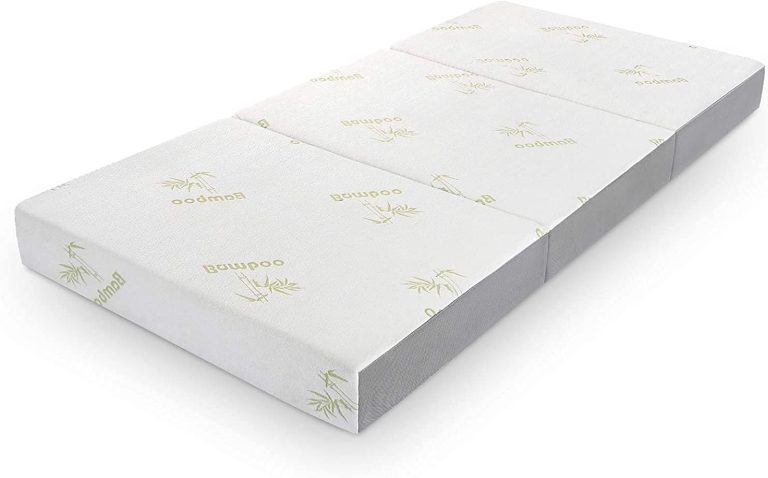
The easiest way to fold up a queen mattress is to bend it in half using your body weight, then compress it into thirds before rolling it for storage. You can fold a queen mattress, but you need to know the right technique to avoid damaging the coils or foam inside. It is much easier to fold a memory foam or hybrid mattress than a traditional innerspring one.
Folding a queen mattress sounds tricky, but it is actually a simple process once you learn the steps. We found that the best approach involves clearing the floor space, using heavy-duty straps, and moving slowly to keep the mattress safe. You do not need special tools, but having a second person makes the job much easier and safer.
- Clear the area of furniture and sharp objects before you start.
- Bend the mattress in half by placing your knees on the middle section.
- Kneel on the folded half to push out the air and flatten it.
- Fold it into thirds, like a giant letter Z, to shrink its size.
- Secure it with straps and store it flat or upright in a dry space.
Below, we walk you through each step in detail, including how to handle different mattress types and what to avoid at all costs. Let us get your bed ready for moving day without wrecking your sleep setup.
Folding a Queen Mattress Without Ruining It
The safest way to fold a queen mattress depends on what is inside it. Most queen mattresses are 60 inches wide and 80 inches long. That is a lot of material to wrestle with, but physics is on your side if you work slowly.
We found that the key is to compress first, bend second. You never want to force a fold, especially with a cold mattress in a chilly room. Cold foam can crack, and cold coils can snap under pressure (Sleep Foundation).
Know Your Mattress Type Before You Start
Not every queen mattress folds the same way. Memory foam bends easily. Hybrids are more forgiving than you think, but pure innerspring boxes are risky.
- All-foam or memory foam: Folds well, especially if it is 10 inches thick or less.
- Hybrid: Folds but needs extra care around the coil edges.
- Traditional innerspring: Do not fold unless it is a low-profile model. You risk permanent kinks.
- Airbed or adjustable: Never fold these. Roll them instead.
Why thick mattresses are a problem
Mattresses over 12 inches thick fold poorly. The foam layers bind against each other. We found that a 14-inch queen mattress takes up double the floor space when folded. If yours is thick, consider rolling it instead.
Preparing Your Space for the Fold
You need a clear path. The floor should be swept and dry. Any debris on the ground can puncture the mattress cover or leave permanent dents.
We recommend a minimum of 10 feet of open floor space. That gives you room to pivot the mattress as you fold. If you are working in a small bedroom, push the bed frame against a wall and move furniture into the hallway.
Tools and Gear You Should Have Ready
You do not need a full moving kit, but a few items make a real difference:
- Ratchet straps or heavy-duty bungee cords (at least 2)
- A mattress bag or large plastic sheeting
- Knee pads if you are kneeling on hard floors
- Work gloves for grip and hand protection
- A second person — this is the most important tool of all
When to Warm Up the Mattress
Memory foam gets stiff in cold rooms. Many guidelines point to warming the mattress to room temperature before bending (National Sleep Foundation). Leave it in a warm room for two hours before you fold. If it feels stiff to the touch, wait longer.
You can also lay a blanket over the fold line and leave it there for 30 minutes. The added weight helps soften the foam without adding heat damage.
Step-by-Step: How to Compress a Queen Mattress
This is the part where most people go wrong. They try to fold the mattress like a piece of paper. Instead, you need to compress the air out first. This makes the material thinner and easier to bend.
Here is the method we found works best for a queen size:
- Lay the mattress flat on the floor, top side up.
- Kneel in the center of the mattress with both knees.
- Press down with your body weight slowly. Start from the center and work outward.
- Roll your knees toward the head and foot edges to push air out.
- Repeat this three or four times until the mattress feels noticeably thinner.
The Z-Fold Technique for Queen Mattresses
Once the air is out, fold the mattress into a Z shape. This is three equal sections. It keeps the mattress balanced and prevents you from carrying an awkward, wobbly bundle.
To do this:
- Fold the top third (head side) down toward the middle.
- Then fold the bottom third (foot side) up and over the top fold.
- You should now have a compact block that is about 40 inches wide.
- Kneel on the folded stack to flatten it further.
- Slide straps under the folded stack and tighten them evenly.
Folding into halves instead of thirds
If your queen mattress is too stiff for a Z-fold, a half fold is acceptable. Fold it in half lengthwise (end to end) instead of widthwise. This creates a longer, narrower bundle but is safer for delicate coils. You can store it this way, though it takes up more room.
Securing and Strapping the Folded Mattress
Straps are your best friend here. Loose folds spring back open the moment you let go. We found that ratchet straps work best because they let you control the tightness degree by degree.
When strapping, always use two straps. Place one about 12 inches from each end of the folded bundle. Do not over-tighten. If you see deep creases on the cover material or feel resistance, loosen slightly.
Signs You Have Strapped It Too Tight
You should be able to slide a finger between the strap and the mattress cover. If you cannot, the strap is digging into the foam. Over-tightening can permanently compress the foam layers, leaving it less plush when you unroll it later.
Use a mattress bag if you have one. It protects against dust and moisture during transport.
Safe Storage and Unfolding Tips
Storing a folded queen mattress is not ideal long-term. Many experts say that compression should be temporary (Better Sleep Council). If you store it folded for more than a month, you risk permanent indentations.
For short-term storage, keep the folded mattress flat on the floor. Never lean it upright against a wall for more than a day. The weight can create a sagging crease along the fold line.
How to Unfold Without Damage
Unfolding is easier than folding, but you still need patience. Place the folded mattress on the floor, remove the straps, and let it expand naturally. Do not pull or yank the edges. Memory foam can take up to 24 hours to regain its full shape at room temperature.
If it looks lumpy, leave it alone. It will flatten out with time.
Common Mistakes to Avoid
We watched a lot of DIY videos and read countless moving guides while researching this. The same mistakes keep coming up. Skip these and you will save yourself a ruined mattress.
- Folding while the mattress is cold: This cracks foam and bends coils.
- Using thin rope or twine: It cuts into the fabric and leaves deep grooves.
- Dragging the folded mattress across the floor: Friction tears the cover material.
- Storing it on its side: This is the fast lane to a saggy middle.
- Skipping the second pair of hands: A 60-pound queen mattress is hard to manage alone.
What to Do If You Cannot Fold It
Some mattresses simply cannot fold. If your queen is a pillow-top with thick cushioning layers, folding will crush the pillow top. In that case, roll it instead. A rolled mattress stores well and avoids the sharp crease that folding creates.
Another option is to buy a bendable box spring frame or a mattress vacuum bag. These help compress the mattress without forcing a fold in a place it does not want to bend.
Quick Checklist Before You Fold Your Queen Mattress
Run through this list before you start. It takes 30 seconds and prevents costly mistakes.
- Check the room temperature — warm rooms are better than cold ones.
- Clear the floor completely of objects and debris.
- Measure the doorway and hallway for clearance once folded.
- Have two ratchet straps ready, not one.
- Enlist a helper — this is not a solo job.
- Place the folded mattress flat in its storage spot, not on its side.
Frequently Made Mistakes With Hybrid Queens
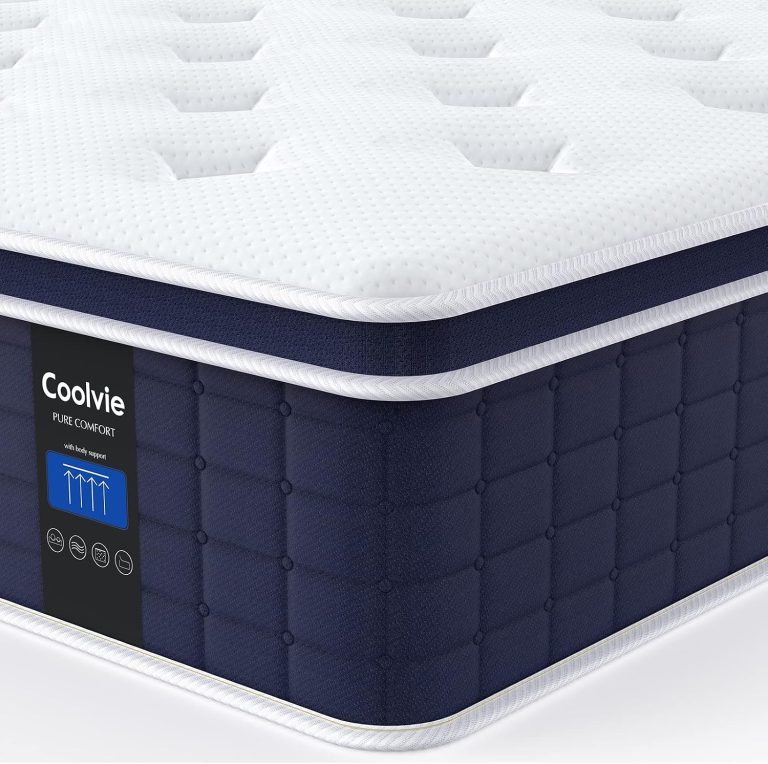
Hybrid mattresses sit in a gray zone. They have foam layers on top but coils underneath. Folding a hybrid is possible, but you need to fold it parallel to the coil rows, not diagonally. Diagonal folding bends the coils sideways, which can pop them out of their pockets.
Look at the mattress label or edge stitching. Most hybrid manufacturers include a note about folding or rolling. If the label says “do not fold,” listen to it. The warranty is voided if you fold a mattress that is not designed for it (Federal Trade Commission guidelines on warranty terms).
What About Vacuum Sealing?
Vacuum-sealing a queen mattress shrinks it dramatically, but it is a one-way ticket for some models. Memory foam survives vacuum sealing well. Innerspring coils do not — the vacuum collapses the coil structure and it may not spring back.
If you use a vacuum bag, follow the manufacturer’s instructions exactly. Do not leave it sealed for more than a few days. Long-term vacuum storage is for shipping, not for keeping a mattress in your basement for six months.
The Bottom Line on Folding a Queen Mattress
Folding a queen mattress is doable, but it is not a five-minute job. Take your time, compress the air out, use good straps, and never rush the unfold process. A queen mattress is a significant investment — protect it and it will protect your sleep.
If you are moving, give yourself a full hour just for the preparation and folding steps. Rushing leads to tears, broken straps, and a lumpy bed on the other side.
Conclusion
Folding a queen mattress is completely doable when you work with the mattress, not against it. You now know the full process: warm up the foam, clear your space, compress the air out, and use that Z-fold technique. The right straps and a second set of hands make all the difference.
Your queen mattress is a big investment, so treat it with care. Never force a fold on a cold or stiff mattress, and always store it flat to avoid permanent creases. Take your time, follow the steps, and you will get that bed moved safely.
Your next step is simple: grab a friend, lay out your ratchet straps, and give yourself one solid hour to get it done right.
Frequently Asked Questions
Can I fold a queen mattress in half and store it that way?
Yes, you can fold it in half, but we do not recommend it as a long-term storage solution. A half-fold creates a sharp crease that can weaken the foam or coil structure over time. It is fine for a short move or a few days, but try to store it flat whenever possible.
How long can a mattress stay folded before it gets damaged?
We found through research that keeping a mattress folded for more than a few weeks can cause permanent indentations. Memory foam needs up to 24 hours to fully expand after unfolding, but deep creases from long-term folding may never disappear. Try to keep any compressed or folded state under 30 days.
Do I need a special bag to fold and move a queen mattress?
You do not strictly need one, but a mattress bag is a smart buy. It protects the cover from dust, moisture, and tears while you move the folded bundle. You can also use large plastic sheeting and heavy-duty tape as a budget-friendly alternative.
Can one person fold a queen mattress alone?
You can technically do it alone, but it is tough and risky. A queen mattress weighs around 60 pounds and is awkward to balance while you strap it. We strongly recommend having a second person to hold the folded sections flat while you tighten the straps.
What is the easiest type of queen mattress to fold?
All-foam and memory foam mattresses are the easiest to fold. They compress well and bounce back to shape without damage. Innerspring mattresses are the hardest and should only be folded if the manufacturer specifically states they are bendable.