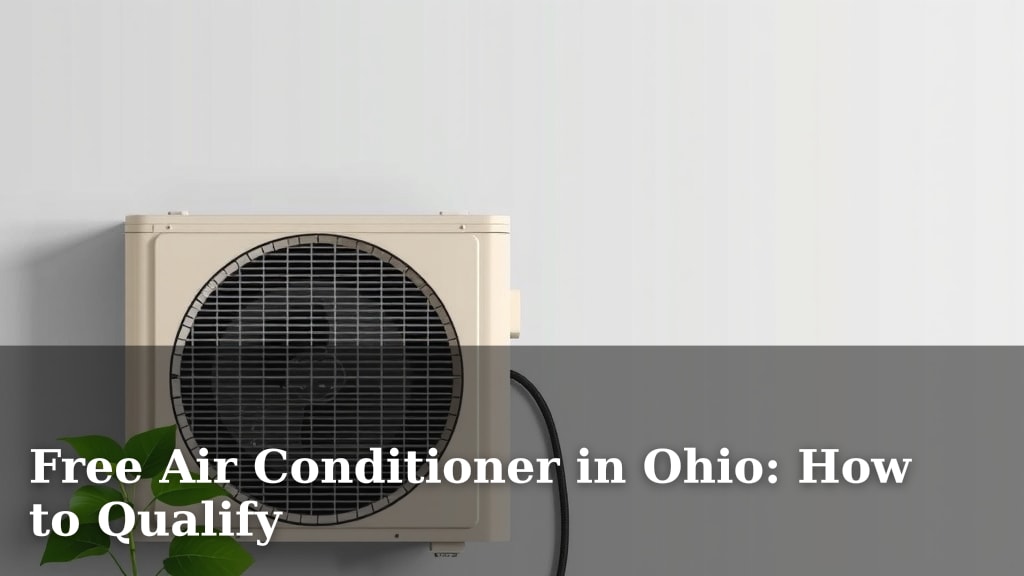
Free Air Conditioner in Ohio: How to Qualify
Yes, you can absolutely get a free air conditioner in Ohio, especially if you meet certain income requirements. Several programs are available to help Ohio residents stay cool during the hot summer months. These often focus on assisting low-income households and seniors.
Finding these resources might take a little effort. We found that different organizations offer assistance, and eligibility rules can vary. The key is understanding which Ohio programs can help you qualify for cooling assistance, often including window AC units or even central air installation. It’s about connecting with the right support systems in your community.
- Look into state and local energy assistance programs.
- Check eligibility for senior citizen or disability cooling assistance.
- See if community action agencies or non-profits offer AC help.
- Many programs require proof of income and residency.
Let’s walk through the specific options and steps you can take to secure a free air conditioner in Ohio. We’ve gathered the key details to make this process easier for you.
“`htmlGetting Free Air Conditioning Help in Ohio
Staying cool in Ohio’s summer heat is essential for health and comfort. You might be wondering if there’s a way to get a free air conditioner if you’re struggling. The good news is that yes, there are programs designed to help Ohioans who need cooling assistance. These programs often target households with lower incomes or those with specific health needs.
The primary goal of these initiatives is to prevent heat-related illnesses, especially for vulnerable populations. We found that several organizations and government agencies work together to provide this crucial support. Understanding where to look and what you might need is the first step to getting relief.
Ohio’s Cooling Assistance Programs Explained
Ohio offers several avenues for residents to receive help with air conditioning. These programs are often funded through federal grants and administered by state or local agencies. They aim to make sure everyone can access a safe indoor temperature during the hottest months.
Home Energy Assistance Program (HEAP) – Cooling Assistance
The federally funded Home Energy Assistance Program (HEAP) is a major resource. While it’s primarily known for heating assistance in winter, it often includes a cooling assistance component during summer. This can help eligible households with the cost of electric bills for operating an air conditioner or fan. Sometimes, HEAP can also assist with the purchase or repair of an air conditioning unit itself.
Eligibility for HEAP is based on your household’s income and size. Generally, if your income is at or below a certain percentage of the federal poverty guidelines, you might qualify. We found that specific income thresholds change annually, so it’s always best to check the latest figures.
How HEAP Cooling Assistance Works
For cooling assistance, HEAP might offer a one-time benefit. This benefit can help cover a portion of your electricity costs used by an air conditioner. In some cases, if you have a medical condition that requires air conditioning, you may be able to get a cooling assistance application prioritized. You’ll typically need to provide documentation to support such a request.
Ohio Department of Development’s Role
The Ohio Department of Development often oversees or coordinates these energy assistance programs. They work with local Community Action Agencies across the state. These agencies are your front-line contact for applying and understanding specific local availability. They can guide you through the application process and determine your eligibility.
Local Community Action Agencies: Your Local Connection
Community Action Agencies are essential partners in this process. Each county in Ohio usually has at least one. These agencies are tasked with distributing funds and providing direct assistance to residents in need. They understand the specific challenges within your local community.
Applying through your local agency means you’ll work with people who are familiar with Ohio’s resources. They can also tell you about other local charities or programs that might offer cooling help. It’s wise to call your local agency early in the season, as funds can be limited.
Weatherization Assistance Program (WAP)
While not directly for buying an AC unit, the Weatherization Assistance Program (WAP) can indirectly help you save money on cooling costs. WAP focuses on making homes more energy-efficient. This includes adding insulation, sealing air leaks, and improving HVAC systems. A more energy-efficient home requires less energy to cool, thus lowering your electricity bills.
If your home qualifies for WAP, you might get upgrades that make your existing AC unit more effective. Sometimes, as part of the weatherization process, they might also install a more efficient air conditioning unit if your current one is old and inefficient. Eligibility for WAP is also income-based, similar to HEAP. We found that it often prioritizes low-income households, the elderly, and individuals with disabilities.
Special Assistance for Vulnerable Groups
Ohio recognizes that certain groups face greater risks from heat. Specific programs and considerations exist for these individuals.
Assistance for Seniors and Individuals with Disabilities
Many programs prioritize seniors (often age 60 or older) and individuals with documented disabilities. If heat poses a significant risk to your health or that of a family member, you may have a better chance of qualifying for cooling assistance. Some programs specifically target these groups for direct air conditioner distribution or repair.
You will likely need to provide medical documentation stating the need for a cool environment. This could be a doctor’s note or a letter from a healthcare provider. It helps to show the medical necessity of having a working air conditioner. Local Area Agencies on Aging can often point you toward specific resources for seniors.
Project EVEREST (Energy Relief for Vulnerable Environmental Situations)
Some Ohio counties have specific initiatives like Project EVEREST. These programs are designed to help individuals with documented medical conditions that are aggravated by high temperatures. They may provide funds for air conditioning units, fans, or increased utility bills related to cooling.
These programs are often run by local health departments or non-profit organizations. They require a formal application and verification of both income and medical need. We found that availability can vary significantly by county.
What You’ll Likely Need to Apply
Gathering the right documents beforehand will make your application process smoother. Think of it like preparing for a doctor’s appointment – having your information ready saves time.
- Proof of Income: Recent pay stubs, Social Security statements, or unemployment benefits.
- Proof of Residency: A utility bill, lease agreement, or driver’s license showing your Ohio address.
- Proof of Age: For senior programs, a birth certificate or state ID.
- Medical Documentation: If applying based on a health condition, a doctor’s letter is essential.
- Social Security Numbers: For all household members.
We found that being organized and having all your required documents in order speeds up the approval process considerably. Missing information can cause significant delays.
Steps to Take Right Now
Don’t wait until the summer heat becomes unbearable. Start exploring your options now. Here’s a quick checklist to get you started:
- Contact your local Community Action Agency.
- Check the Ohio Department of Development website for HEAP and WAP details.
- Inquire about specific senior or disability cooling programs in your county.
- Gather your income and residency verification documents.
- Be prepared to provide medical documentation if needed.
Taking these steps can help you secure the cooling assistance you need to stay comfortable and safe during Ohio’s hot summers. Remember, many resources are available, but they often require you to reach out and apply.
“`Conclusion
Staying cool in Ohio during the summer doesn’t have to be a struggle. You’ve learned that several programs exist to help you get a free air conditioner, especially if you have a low income or a medical need. We’ve covered how programs like HEAP and resources from local Community Action Agencies are your best starting points. Gathering your documentation, like proof of income and residency, will make applying much smoother. Don’t hesitate to reach out to these organizations soon, as help is available if you take the right steps.
Frequently Asked Questions
Can I get a free air conditioner if I have a medical condition?
Yes, many programs prioritize individuals with medical conditions aggravated by heat. You will likely need a doctor’s note or medical documentation stating the necessity for cooling. This documentation helps prove your case for assistance.
How do I find my local Community Action Agency?
You can usually find your local agency by searching online for “Community Action Agency [Your County Name] Ohio.” The Ohio Department of Development website may also list them. They are your primary contact for local assistance programs.
Is there a specific income limit to qualify for cooling assistance?
Eligibility is based on your household income relative to the federal poverty guidelines. These limits change each year, so it’s best to check the latest figures with the agency you’re applying through. Generally, lower incomes mean a higher chance of qualifying.
What if I can afford an AC unit but not the electricity to run it?
The Home Energy Assistance Program (HEAP) can often help with utility bills, including the cost of electricity to run an air conditioner. This assistance ensures that even if you own an AC, you can afford to use it when needed during hot months.
Are there programs for seniors specifically, even if they don’t have a severe medical condition?
Yes, many programs offer priority or specific assistance for seniors, often defined as age 60 or older. While a documented medical need can help, age itself is often a qualifying factor for cooling assistance programs in Ohio.

![7 Best Portable Split Air Conditioner [2026]](https://bathroomexplorer.com/wp-content/uploads/2026/06/7-best-portable-split-air-conditioner-2026-featured-768x432.jpg)