

Insulate Portable AC Exhaust Hose for Better Cooling
Yes, you absolutely can and should insulate your portable air conditioner exhaust hose. Doing so helps your AC run more efficiently by preventing heat from radiating back into your room. This simple step can make a big difference in keeping your space cool and lowering your energy bills.
When your portable AC’s exhaust hose isn’t insulated, it acts like a mini-heater. The hot air it pushes outside can warm up the hose itself. This warmth then transfers back into your living space. Insulating the hose is a smart DIY project that offers noticeable results for cooling comfort and energy savings.
- Insulate your portable AC hose to boost efficiency.
- Prevent heat from radiating back into your room.
- Simple DIY project for better cooling.
- Can help reduce energy costs.
Let’s walk through exactly how to get this done step by step, making your portable AC work smarter, not harder, for you.
Boosting Your Portable AC’s Performance: Insulating the Exhaust Hose
You’ve got a portable air conditioner to keep your space cool, but are you getting the most out of it? One simple trick can make a big difference. Insulating the exhaust hose of your portable AC helps it work smarter. This prevents wasted energy and keeps your room cooler. We’ll show you how easy it is.
Why Insulating Your Portable AC Hose Matters
Think of your portable AC like a hardworking friend. It takes warm air from your room and pushes it outside through that long hose. But here’s the catch: that hose gets pretty hot doing its job! If you don’t insulate it, that heat can radiate right back into your living space. That’s like trying to cool your house while leaving the oven on!
Research shows that a hot exhaust hose can significantly **reduce your air conditioner’s efficiency**. Instead of cooling your room, your AC might end up fighting the heat radiating from its own hose. This means it runs longer, uses more electricity, and still might not get your room as cool as you’d like. Insulating the hose is a practical way to combat this heat creep.
The Science Behind a Hot Hose
Portable air conditioners work by a refrigeration cycle. They absorb heat from your room and transfer it to the refrigerant. This warmed refrigerant then releases the heat outside through the exhaust. The air inside the hose is very hot, often exceeding 150°F (65°C). This heat naturally transfers to the surrounding air. Without insulation, that heat easily finds its way back into your room.
The temperature difference between the hot hose and your cooler room air drives this heat transfer. The bigger the difference, the more heat escapes. Insulating the hose creates a barrier. This barrier slows down the heat transfer process. It’s a lot like wearing a sweater on a cold day. The sweater doesn’t create heat; it just stops your body heat from escaping.
Benefits You’ll Notice
So, what does insulating the hose actually do for you?
- Improved Cooling: Your AC can focus on cooling your room, not re-heating it. You’ll likely feel a more consistent and colder temperature.
- Energy Savings: When your AC runs more efficiently, it uses less electricity. This can lead to lower energy bills. Studies on building insulation consistently show reduced energy consumption when thermal barriers are in place (US Department of Energy).
- Quieter Operation: Sometimes, a struggling AC might run louder. A more efficient system can often run more smoothly.
- Extended Lifespan: By reducing the strain on your AC unit, you might help it last longer. Less overheating means less wear and tear.
Choosing the Right Insulation Material
You have a few good options for insulating your portable AC exhaust hose. The best choice depends on your budget, how easily you want to install it, and how much insulation you need. We’ve found that common materials work very well.
Foam Pipe Insulation Sleeves
These are probably the easiest and most popular choice. You can find them at most home improvement stores. They look like foam tubes, often pre-slit for easy application. You just wrap them around your hose.
- Pros: Lightweight, easy to cut, readily available, good thermal resistance.
- Cons: Can be a bit bulky depending on the thickness. May degrade in direct sunlight over time.
Reflective Foil Bubble Wrap
This material uses a layer of air bubbles trapped between two sheets of reflective foil. The foil reflects heat, and the air bubbles provide insulation. It’s often used for home insulation and is flexible.
- Pros: Very lightweight, flexible, good at reflecting radiant heat, can be cut to size.
- Cons: Might require more securing (tape) to stay in place. Can look a bit less tidy than foam sleeves.
Fiberglass or Mineral Wool Insulation
This is similar to what you might find in your home’s walls. It’s very effective at trapping heat but requires careful handling.
- Pros: Excellent thermal insulation, readily available.
- Cons: Can be itchy and requires protective gear (gloves, mask, eye protection) to install safely. Needs to be covered with a protective layer.
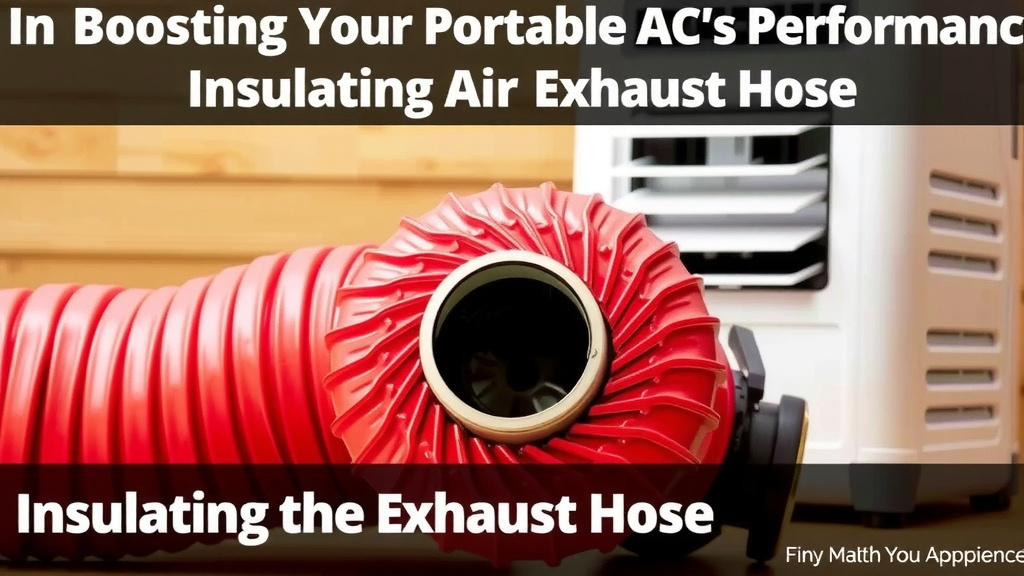
Step-by-Step Guide to Insulating Your Hose
Ready to get started? It’s a straightforward process. We’ll break it down so you can get your AC running at its best in no time.
Preparation is Key
Before you begin, gather your materials. Make sure your portable AC hose is disconnected from both the unit and the window. Having a bit of extra space to work makes the job much easier. Measure your hose length, too. You want to make sure you have enough insulation material to cover the entire length.
Applying Foam Pipe Insulation
This is the most common method. You’ll likely use foam sleeves designed for pipes. They often have a self-adhesive seam.
- Measure and Cut: If your hose is longer than a standard sleeve, you might need to join multiple pieces. Cut the foam to the correct length using a utility knife or scissors.
- Apply: If the foam has a slit, simply open it and wrap it around the hose. If it’s a full sleeve, slide it onto the hose before connecting the hose to the unit.
- Secure: For pre-slit foam, peel off the backing from the adhesive strip and press it firmly to seal the seam. If using multiple pieces, use strong tape like duct tape or foil tape to secure the ends and any gaps.
Using Reflective Bubble Wrap
This method offers flexibility and a different type of insulation.
- Measure and Cut: Measure the circumference and length of your hose. Cut the bubble wrap to size, ensuring you have enough to wrap around the hose with a slight overlap.
- Wrap: Place the hose on the bubble wrap and begin to roll it up, ensuring the foil side faces outwards. You want the bubble side to be against the hose.
- Secure: Once fully wrapped, use strong adhesive tape (like foil tape or duct tape) to secure the ends and any seams. Make sure it’s snug but not so tight that you kink the hose.
Adding an Outer Layer (Optional but Recommended)
For extra protection and a neater look, consider adding an outer layer. This is especially useful if you used fiberglass insulation or want to protect foam insulation from UV rays if it’s near a window.
- Fabric Sleeves: Some companies sell fabric sleeves designed to go over insulated hoses.
- Duct Tape or Foil Tape: A good layer of tape can add durability and seal everything up. Foil tape is great because it also adds a reflective barrier.
- Paint: Some people paint the exterior of the insulation for a custom look, but ensure the paint is suitable for the material and won’t damage it.
Quick Checklist for Your Insulation Project
Let’s make sure you’re all set. Here’s a quick rundown:
- Gather your chosen insulation material (foam sleeves, bubble wrap, etc.).
- Get your tools ready (utility knife, scissors, tape).
- Ensure the AC hose is disconnected and accessible.
- Measure the hose length accurately.
- Apply insulation snugly, covering the entire length.
- Secure all seams and ends with strong tape.
By taking a little time to insulate your portable air conditioner’s exhaust hose, you’re making a smart investment in your comfort and your wallet. Enjoy a cooler space and a more efficient AC!
Conclusion
You’ve now seen just how straightforward it is to insulate your portable air conditioner’s exhaust hose. This simple DIY task is a smart move for anyone looking to improve their AC’s performance. By preventing that hot air from radiating back into your room, you help your unit work more efficiently. This means a cooler space for you and potentially lower energy bills. Take a moment to gather your materials and get your hose insulated – you’ll feel the difference!
Frequently Asked Questions
How much insulation do I really need?
You’ll want to cover the entire length of your portable AC’s exhaust hose, from the unit connection all the way to the window. Measure your hose to ensure you buy enough material, plus a little extra for securing seams.
Can I use regular house insulation for my AC hose?
While fiberglass or mineral wool insulation is effective, it needs to be handled with care and always covered. Foam pipe sleeves or reflective bubble wrap are often easier and safer for DIYers to install on an AC hose.
Will insulating the hose make my AC quieter?
It can! When your AC doesn’t have to work as hard to overcome the heat radiating from the hose, it can sometimes lead to smoother, quieter operation. This isn’t guaranteed, but it’s a common benefit reported by users.
Is it okay if the insulation gets a little damp?
Ideally, no. Moisture can reduce the effectiveness of insulation and potentially lead to mold or mildew. Ensure your insulation is applied snugly and consider an outer layer if it’s exposed to condensation or humidity.
Do I need to insulate the entire hose, or just parts of it?
For the best results, you should insulate the entire length of the exhaust hose. Any uninsulated sections will still allow heat to transfer back into your room, reducing the overall efficiency gains you achieve.
![7 Best Rated Stand Alone Air Conditioner [2026]](https://bathroomexplorer.com/wp-content/uploads/2026/06/7-best-rated-stand-alone-air-conditioner-2026-featured-768x432.jpg)