

Prevent Mold in Window AC Units: Easy Steps
The best way to keep mold from growing in your window air conditioner is through **regular cleaning and ensuring proper drainage**. Mold thrives in damp, dark environments, and your AC unit can easily become one if not maintained. We’ve found that a clean unit with unobstructed airflow is your best defense against unsightly and unhealthy mold growth, helping your AC run **more efficiently**.
Preventing mold means more than just a clean filter. It involves checking for **clogged drain lines** and wiping down accessible surfaces periodically. Ignoring these steps can lead to a musty smell and potential health issues. Many experts agree that consistent, simple maintenance can **save you trouble** down the line and keep your home’s air fresh.
- Clean filters regularly.
- Check and clear the drain line.
- Wipe down coils and fins.
- Ensure proper installation for drainage.
- Use your AC often enough to keep condensation moving.
Let’s walk through exactly how to tackle mold prevention in your window AC unit, step by step.
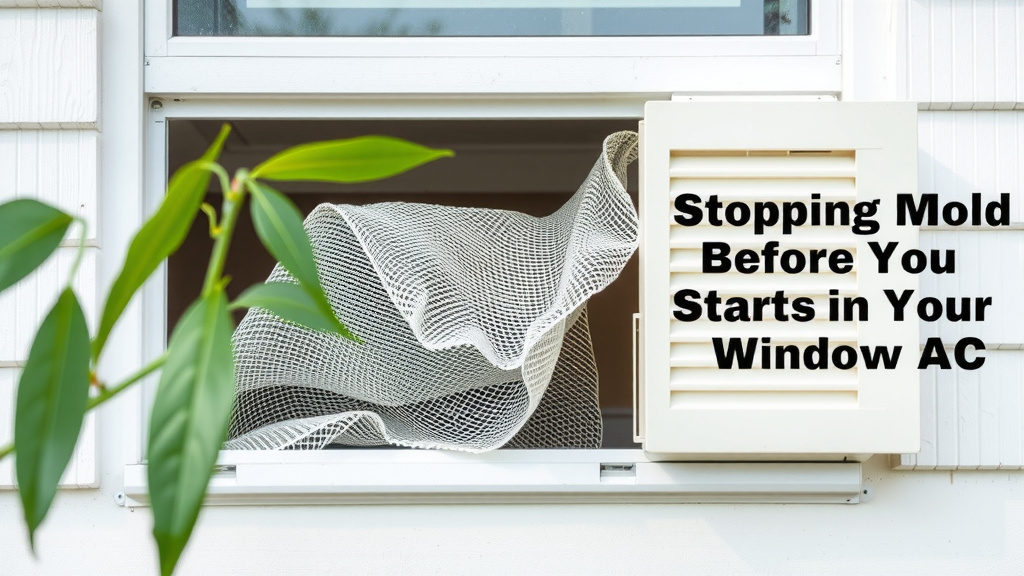
Stopping Mold Before It Starts in Your Window AC
Your window air conditioner is a summer essential. It keeps your home cool and comfortable. But it can also become a breeding ground for mold. We found that mold loves the damp, dark insides of your AC unit. It thrives on condensation. This can lead to musty smells and even affect your air quality. Luckily, preventing mold growth is quite straightforward. It mostly involves a few key maintenance steps.
Understanding Why Mold Loves Your AC Unit
Mold needs three things to grow: moisture, food, and warmth. Your air conditioner provides all of these. It pulls in warm, humid air from your home. As this air passes over the cold evaporator coils, moisture condenses. This water is supposed to drain away. But if the drain line gets clogged, water can pool inside the unit. Mold spores are everywhere in the air. They land on damp surfaces inside your AC. Then, with the right conditions, they start to grow. We found that this is especially true if the unit isn’t used regularly. Stagnant water is a mold’s best friend. Experts at the Cleveland Clinic mention that mold can cause allergies and respiratory issues.
Your Regular Cleaning Schedule: The First Line of Defense
Consistent cleaning is your best weapon against mold. Think of it like brushing your teeth. You do it regularly to prevent problems. Your AC needs that kind of attention too. We found that setting a routine makes it much easier to manage.
Cleaning Your AC Filter: More Important Than You Think
The air filter is the first barrier. It catches dust, dirt, and other particles. When it gets clogged, airflow is reduced. This can make the AC work harder. It also means more moisture might get trapped inside. Many manufacturers recommend cleaning or replacing your filter every 1-3 months. Check your owner’s manual for specific advice.
- Check the filter monthly. If it looks dirty, clean or replace it.
- Washable filters can be rinsed under cool water. Let them dry completely before putting them back.
- Disposable filters need to be replaced. Don’t try to wash these.
Wiping Down Accessible Surfaces
While the filter is crucial, other parts can get dusty too. If you can safely access them, give them a gentle wipe. This might include the area around the filter or the front grille. Use a damp cloth and a mild soap. Make sure the unit is unplugged first! We found that a quick wipe-down can prevent dust from building up.
Addressing the Hidden Culprit: The Drain Line
This is where many mold problems start. Your AC unit has a drain line. It’s a small tube that carries condensation away. If this line gets blocked, water backs up. This creates a perfect environment for mold. We found that regularly checking this drain line is essential.
Locating Your Drain Line
The drain line usually exits the back of the unit. It might be a small plastic tube. Sometimes it’s a more involved pipe system. Your unit’s manual will show you where it is. Don’t worry if it’s not immediately obvious. You might need to peek behind the unit.
Clearing a Clogged Drain Line
If you suspect a clog, there are a few things you can try. A common method is using a wet/dry vacuum. You can attach it to the end of the drain line. This should help suck out any blockages. Another method involves using a stiff but flexible wire, like a coat hanger. Gently push it into the line to dislodge debris. Some experts suggest pouring a cup of distilled vinegar down the line periodically. This can help kill mold spores and prevent future clogs. Research from the EPA indicates that maintaining clear drainage is key for AC efficiency and preventing water damage.
Preventing Future Drain Line Clogs
Regular flushing with vinegar can help. Also, make sure there’s nothing obstructing the line outside your home. Leaves or debris can clog the exit point. Keep the area around where the water drains clear.
Ensuring Proper Installation for Optimal Drainage
Sometimes, mold issues stem from installation. Your window AC needs to be installed correctly. It must tilt slightly forward. This allows water to flow towards the drain line and out. If it’s level or tilts backward, water can pool inside. We found that if your unit seems to be having drainage issues, check its angle. You might need to adjust it slightly. Shimmying it into place with sturdy, weather-resistant materials can help. Always ensure the unit is secure after adjustments.
The Role of Usage in Mold Prevention
Believe it or not, how often you use your AC can matter. Running your air conditioner regularly helps. It keeps the internal components moving. This includes the fan and the drainage system. When the AC runs, it dries out the internal parts. It also pushes water through the drain line. If you only run your AC on the hottest days, condensation might sit for longer periods. We found that consistent use, even on milder days, can help prevent moisture buildup. Think of it as giving your AC a regular workout. This keeps everything functioning smoothly.
When to Call in the Professionals
While most mold prevention is DIY, sometimes you need expert help. If you notice extensive mold growth, it’s best to call a professional. They have the tools and knowledge to clean it safely. Also, if you’ve tried clearing the drain line and it’s still clogged, a technician can help. They can also inspect the unit for hidden damage. We found that sometimes, professional cleaning is the most effective solution. This is especially true if you’re not comfortable working with the unit yourself. Don’t hesitate to seek help if you’re unsure.
Your Mold Prevention Checklist
Here’s a quick rundown to keep mold at bay:
- Clean or replace your air filter every 1-3 months.
- Check your drain line for clogs every spring and summer.
- Flush your drain line with vinegar a couple of times a year.
- Ensure your AC unit is tilted slightly forward for proper drainage.
- Wipe down accessible parts when changing the filter.
- Run your AC regularly to keep condensation moving.
Conclusion
Keeping mold out of your window AC is all about consistent care. You’ve learned that a clean filter, a clear drain line, and proper installation are your strongest defenses. Regularly running your unit also plays a key role in preventing moisture buildup. By following these simple steps, you’re not just preventing mold; you’re ensuring your AC runs efficiently and your home’s air stays fresh and healthy all summer long. Make a habit of checking your unit each season, and you’ll enjoy cooler, cleaner air with peace of mind.
Frequently Asked Questions
How often should I clean my window AC unit for mold prevention?
We found that cleaning your air filter monthly is ideal. For deeper cleaning, like checking the drain line, aim for the beginning of spring and again before peak summer use. Regular visual checks whenever you’re near the unit can also catch issues early.
What’s the best way to deodorize a window AC that smells musty from potential mold?
A musty smell often means mold is present. Start by thoroughly cleaning the filter and ensuring the drain line is clear. You can also try running the AC on fan-only mode for a few hours. If the smell persists after cleaning, professional inspection might be needed.
Can I use bleach to clean my window AC to kill mold?
While bleach kills mold, it’s generally not recommended for AC units due to potential damage to components and harsh fumes. A mixture of mild soap and water for surfaces or distilled vinegar for the drain line is safer and effective for most situations we found.
What if my window AC unit is installed in a way that’s hard to access for cleaning?
Accessibility can be a challenge. If you can’t safely reach key parts like the filter or drain line, it’s best to call a professional HVAC technician. They have the right tools and experience to clean and maintain it without causing damage.
Is running my AC on a dehumidifier setting better for mold prevention?
Yes, using the dehumidifier setting can help. It actively removes moisture from the air, reducing the dampness inside the unit. This complements regular cleaning and helps prevent mold growth by keeping internal components drier.



![7 Best Central Air Conditioner [2026]](https://bathroomexplorer.com/wp-content/uploads/2026/07/7-best-central-air-conditioner-2026-featured-768x432.jpg)