Prepare Your Air Conditioner for Summer: A Quick Guide
Preparing your air conditioner for summer is a simple process that can save you money and prevent costly repairs. The easiest way to get your AC ready for the heat is by cleaning its filters and ensuring the outdoor unit is clear of debris. Doing this helps your AC run more efficiently, keeping your home cool and comfortable all season long.
Many homeowners overlook this basic maintenance. But, a little effort now can prevent big headaches later. We found that regular AC upkeep is key to extending its lifespan and maintaining its cooling power. Plus, a clean unit uses less energy, which is good for your wallet and the planet.
- Clean or replace your air filters.
- Clear debris from the outdoor unit.
- Check refrigerant levels (if comfortable).
- Ensure proper airflow around the unit.
- Schedule professional maintenance if needed.
Let’s walk through exactly how to prepare your air conditioner for the summer heat, step by step.
Getting Your Air Conditioner Ready for Summer’s Heat
Preparing your air conditioner for the warmer months ahead is simpler than you might think. A little bit of attention now can ensure your system runs efficiently and reliably when you need it most. We found that **basic maintenance** is key to avoiding breakdowns and keeping your home comfortable.
Cleaning and Replacing Your AC Filters: The First Defense
Your air conditioner’s filter is like its lungs. It catches dust, pollen, and other airborne particles. When this filter gets clogged, your AC has to work much harder to pull air through it. This reduced airflow can strain the motor and decrease cooling efficiency. Many experts suggest **checking your filter monthly** (Mayo Clinic).
How Often Should You Change Your AC Filter?
The frequency depends on your filter type and household. If you have pets or allergies, you might need to change it more often. Generally, a standard fiberglass filter might need changing every 30 days. A pleated filter could last 60 to 90 days. **Visual inspection** is your best guide. If it looks dirty, it’s time for a change.
What Type of Filter Should You Use?
When replacing your filter, choose one that fits your system properly. Some people prefer HEPA filters for better air quality. However, these can sometimes restrict airflow too much for older AC units. Always consult your AC’s manual or a professional if you’re unsure. **The right filter** ensures optimal performance without causing undue stress on your system.
Clearing Debris Around Your Outdoor AC Unit
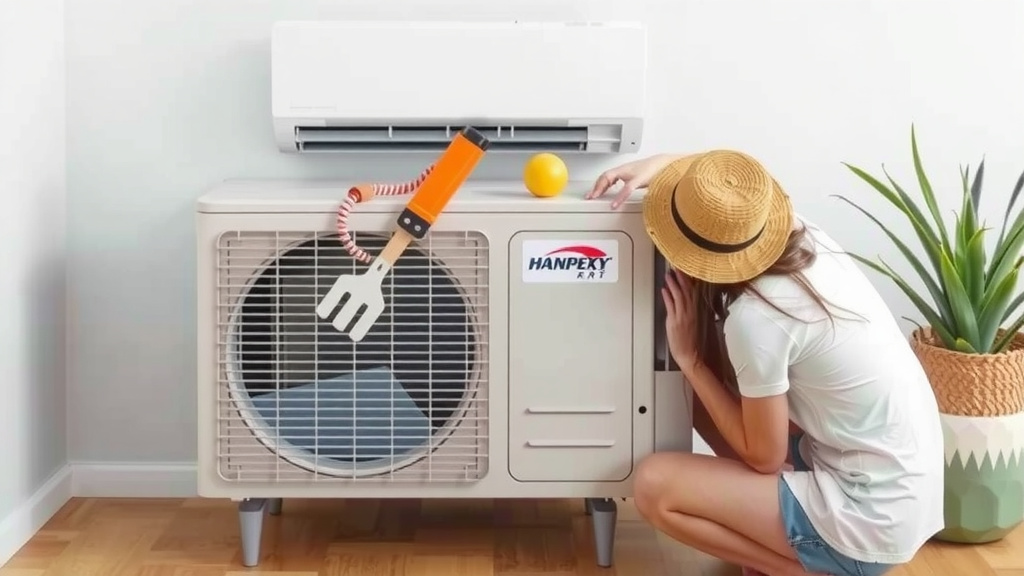
The outdoor unit, often called the condenser, needs space to breathe. Plants, leaves, dirt, and other debris can block the fins and restrict airflow. This is a common issue that significantly impacts performance. We found that a **cluttered condenser** can lead to overheating and reduced cooling capacity.
What to Look For and Remove
Walk around your outdoor unit. Gently remove any leaves, grass clippings, or twigs that have accumulated. Trim back any shrubs or plants that are growing too close. A good rule of thumb is to keep at least **two feet of clear space** around the entire unit. This allows for proper ventilation.
Gentle Cleaning for the Condenser Fins
The metal fins on the outside of the unit can also get dirty. You can carefully rinse them with a garden hose. Use a **gentle stream of water**, spraying from the inside out if possible. Be careful not to bend the delicate fins. If they are badly bent, a fin comb tool can help straighten them.
Checking Refrigerant Levels (For the Adventurous Homeowner)
Refrigerant is the lifeblood of your AC system. It’s the substance that absorbs heat from inside your home and releases it outside. If your system is low on refrigerant, it won’t cool effectively. Low levels often indicate a **leak in the system**.
When to Consider Professional Help
Checking and adding refrigerant requires specialized tools and knowledge. It’s also a process that involves handling chemicals. For these reasons, most homeowners should leave this task to a **qualified HVAC technician**. They can accurately measure the levels and identify any leaks.
Signs of Low Refrigerant
You might notice several signs if your refrigerant is low. These include **weak airflow**, hissing sounds from the unit, or ice buildup on the refrigerant lines. If you see these symptoms, it’s definitely time to call a professional. Trying to fix it yourself could void warranties or cause further damage.
Ensuring Proper Airflow Throughout Your Home
Your AC needs unobstructed airflow not just at the outdoor unit but also inside your home. Furniture, curtains, or even rugs can block supply and return vents. This prevents cool air from circulating effectively.
Where to Check Your Vents
Take a walk through your home and identify all your air vents. Ensure that **nothing is blocking them**. Move furniture away from vents. Keep curtains and blinds from covering them. Make sure rugs or carpets aren’t placed directly over return air grilles. Good airflow means your AC doesn’t have to work as hard.
The Importance of the Return Air Grille
The return air grille is where your AC pulls air from your home to be cooled. It’s often larger than the supply vents. If this is blocked, the entire system suffers. A **clogged return grille** is like trying to breathe through a straw. Keep it clear for maximum efficiency.
When to Call a Professional for AC Maintenance
While many of these tasks are DIY-friendly, some issues require expert attention. If you’re uncomfortable performing any of these checks, or if you notice persistent problems, it’s best to call a pro. Many HVAC companies offer **annual maintenance plans**.
What a Professional Tune-Up Includes
A professional tune-up typically involves a thorough inspection of your entire system. They will check electrical connections, lubricate moving parts, and test the thermostat. They can also identify potential problems before they become costly repairs. Scheduling this service **before summer hits** is a smart move.
Benefits of Professional Maintenance
Regular professional maintenance can **extend the lifespan of your AC unit**. It also helps ensure your system runs at peak efficiency, saving you money on energy bills. Plus, it gives you peace of mind knowing your AC is ready for the heat. Many guidelines suggest yearly check-ups for optimal performance (Energy Star).
Quick AC Summer Prep Checklist
- Clean or replace your air filter.
- Clear debris from around the outdoor unit.
- Trim plants near the outdoor unit.
- Ensure all indoor vents are unobstructed.
- Listen for unusual noises from the unit.
- Consider scheduling professional maintenance.
Conclusion
You’ve learned how simple it is to get your air conditioner ready for summer. A clean filter and a clear outdoor unit are your best first steps. These small efforts significantly boost efficiency and can prevent costly repairs. We found that this basic upkeep is essential for a cool, comfortable home all season. Don’t wait for the heat to hit; take a few moments now to ensure your AC runs smoothly. Your future self will thank you for it!
Frequently Asked Questions
How do I know if my AC filter is too dirty?
The easiest way is to simply look at it. If the filter appears gray or visibly clogged with dust and debris, it’s time for a change or cleaning. We recommend checking your filter monthly, especially if you have pets or allergies.
What happens if I don’t clear debris from my outdoor AC unit?
When your outdoor unit is covered in leaves, grass, or other debris, it can’t properly release heat. This makes your AC work much harder, leading to reduced cooling power and higher energy bills. In severe cases, it can cause the unit to overheat and fail.
Can I just add more refrigerant if my AC isn’t cooling well?
Adding refrigerant yourself is generally not recommended. Low refrigerant usually means there’s a leak that needs professional repair. HVAC technicians have the right tools to safely add refrigerant and find and fix leaks.
How often should I have a professional tune-up for my AC?
Most experts suggest having a professional tune-up once a year. Scheduling this before the summer cooling season begins is ideal. This ensures your system is in top shape and can catch minor issues before they become major problems.
Is it okay to leave my AC on all the time in the summer?
While your AC is designed to run, constantly keeping it on at a very low temperature can be inefficient. Using a programmable thermostat to raise the temperature when you’re away or asleep can save energy. Proper maintenance ensures it cools effectively when you need it.
![7 Best Portable Inverter Air Conditioner [2026]](https://bathroomexplorer.com/wp-content/uploads/2026/06/7-best-portable-inverter-air-conditioner-2026-featured-768x432.jpg)