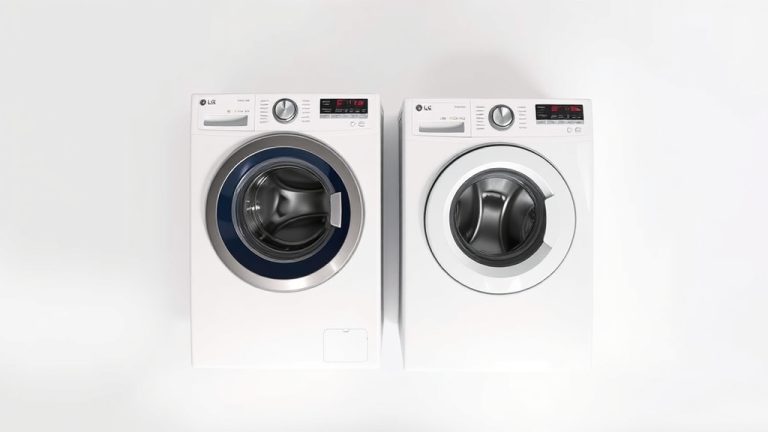
Pedestal Washer Guide: Setup, Use, and Maintenance Tips
The easiest way to use a pedestal washer is to treat it like a standard front-load washer that sits higher off the floor. You load clothes, add detergent, select a cycle, and press start, but you also need to handle the pedestal drawer and locking mechanism correctly. We found that most setup mistakes happen before you ever wash a single load.
A pedestal washer is a washing machine built into a raised base, and it often has a bonus drawer for detergent or extra clothes. This setup saves your back and makes laundry feel easier, but the controls and the drawer can be a little confusing at first. Knowing your machine’s parts is the secret to making it work smoothly for you.
- Level the machine first to stop loud shaking and loud noises.
- Find the drawer release button so you can open the detergent compartment safely.
- Use the right detergent type for a front-load pedestal unit to prevent foam problems.
- Sort your laundry properly and do not overload the drum.
- Run a cleaning cycle monthly to keep the seal and drain free of buildup.
Below, we break down everything you need to know about using a pedestal washer, from the first setup to daily washing tips. Let’s walk through the steps so you feel confident at every stage.
Getting Your Pedestal Washer Ready for Its First Load
You just unboxed your new pedestal washer. You are excited to try it. But wait. There is more to it than just plugging it in and pressing start. If you are still shopping, our breakdown of new washing machine cost explains what to budget for.
We found that taking a few minutes to set things up properly stops most headaches later. The good news is that this process is simple. You just need to follow a few key steps.
Leveling the Machine to Stop the Shakes
An unbalanced washer sounds like a jet engine taking off. Nobody wants that. We recommend checking the level before you run your first load.
Place a bubble level on top of the machine. If the bubble is not in the center, adjust the feet. You usually twist them by hand or with a wrench. The goal is a rock-solid base. When the machine is level, the drum spins smoothly without banging against the sides. That keeps your machine quiet and prevents damage to your floor.
Checking the Water Supply Hoses
Look behind the unit to find the hoses. You need to connect the hot and cold water lines to the wall valves. Most machines use a standard threaded connection.
Hand-tighten the connections first. Then give them a quarter turn with pliers. Just do not over-tighten them. You want a snug fit, not a stripped thread. Turn the water valves on and check for drips. A small leak now saves you from a flooded laundry room later.
Finding the Drawer Release Button
This is where most people get confused. The pedestal drawer is not like a regular kitchen cabinet. It has a safety lock. Usually, there is a button or clip you press to release it.
Look on the side of the drawer or above the handle. Slide a finger along the top edge. That is often where the release tab hides. Press it gently while pulling the drawer open. Never yank the drawer without releasing the lock first. You could break the plastic track or the clip itself.
Loading Your Laundry the Right Way
Loading a front-load machine is a bit different than loading a top-loader. You have to think about drum space. And you have to think about the door seal. If you prefer a top-loader instead, our guide to the best-rated top-loading washing machines can help you compare options.
We found that proper loading prevents most wash quality issues. It also protects the machine from overload damage.
Sorting Clothes for the Pedestal Unit
Treat this like any standard machine. Separate whites from colors. Separate heavy items like towels from delicate fabrics like silk. Check the pockets for loose change or tissues. A stray penny can chip the drum. A tissue turns every dark shirt into a snowflake pattern.
Filling the Drum Without Overstuffing
Here is the golden rule: loose is better than tight. You should be able to fit your flat hand between the top of the clothes and the drum roof. If you have to push clothes in with force, they are packed too tight.
An overloaded drum gets heavy. The motor works harder. The spin cycle struggles. Clothes come out wrinkled and still soapy. A loosely loaded drum lets water circulate properly. Detergent reaches every fiber. Clothes actually get clean.
Bulky Items and Blankets
Large comforters and heavy blankets need special care. They soak up a lot of water and get heavy. Check your user manual for the max weight. Most pedestal units handle a queen-size comforter fine. But a king-size one might push the limits. When in doubt, use the bulky or bedding cycle if you have it. That cycle uses more water and a slower spin to balance the load.
Adding Detergent Without the Foam Mess
Your pedestal washer likely uses a front-load design. This matters for your detergent choice. Front-loaders use less water. That means they need high-efficiency (HE) detergent.
HE detergent creates fewer suds. Regular detergent makes too much foam. That foam traps dirt and can cause a leaky door. It can even damage the pump over time.
Picking the Right Detergent Type
You have options. Liquid detergent is reliable. It dissolves quickly. Pods are convenient and pre-measured. Just make sure the label says “HE” or “High Efficiency.” Powder detergent works fine too, but it can clump in cold water. Many experts suggest using liquid for warm or cold washes (Cleveland Clinic).
Loading Detergent into the Drawer Tray
Open the pedestal drawer or the detergent dispenser on the main unit. You will see a few compartments. Usually, there is a “Main Wash” slot and a “Pre-Wash” slot. Sometimes a “Softener” slot. We found that most people just pour detergent into the biggest slot. That is usually the main wash section.
Do not pour detergent directly onto dry clothes. That can leave residue and stains. Use the drawer as designed. It releases the soap at the perfect time during the cycle.
Selecting the Right Wash Cycle
Your machine has a control panel with different cycle names. Normal, Delicates, Quick Wash, Heavy Duty. Do not overthink this. Just match the cycle to the fabric and the dirt level.
Matching Cycle Settings to Your Clothes
Use “Normal” for everyday cottons and t-shirts. Use “Delicates” for lingerie, silks, or anything with beads. Use “Heavy Duty” for jeans, towels, and work clothes. Use “Quick Wash” for lightly worn items that just need a refresh. The water temperature matters too. Cold water saves energy and prevents shrinking. Hot water sanitizes and removes grease stains.
Adjusting Spin Speed for Different Fabrics
Spin speed controls how much water is removed at the end. A high spin (like 1200 RPM) gets clothes drier. It uses more energy and can wrinkle delicate fabrics. A low spin (like 400 RPM) leaves clothes very wet. That means longer dryer time. Choose high spin for towels and sturdy cottons. Choose low spin for silks and lingerie.
Operating the Locking Mechanism Safely
Front-load machines have a door lock. This is a safety feature. It prevents the door from opening while the drum is spinning. Some pedestal models also have a separate lock for the drawer. Knowing how to use these locks is key to a smooth laundry day.
Starting the Cycle and Latching the Door
Shut the door firmly. Listen for the click. Press start. The machine will lock the door automatically. You will hear a “clunk” sound. That is normal. The machine keeps the door locked until the drain cycle finishes. Do not try to force it open mid-cycle. You could break the lock mechanism. Wait an extra minute or two if the door stays locked after the cycle ends. That is just the machine finishing its final drain.
Handling the Pedestal Drawer Lock
If your pedestal has a drawer for supplies or extra clothes, it may have a lock too. This is not to keep you out. It is to prevent the drawer from sliding open during a high-speed spin. We found that pressing the release button and pulling slowly is the best method. To close it, push the drawer in until it clicks. That click means the lock is engaged and it is safe.
Maintaining Your Pedestal Washer for Longevity
A washing machine is an investment. You want it to last. Regular maintenance stops mold and smells. It also keeps the moving parts running smoothly.
Wiping Down the Door Seal After Every Load
This is the rubber gasket around the door. We found that leftover water pools here. That moisture leads to mildew and a musty smell. After each wash, take a dry cloth. Wipe the rubber gasket and the glass door. Leave the door slightly ajar for an hour. Let the air circulate. This is the single best habit for preventing mold (Mayo Clinic).
Running a Monthly Cleaning Cycle
You can buy a washer cleaner tablet. Or you can use white vinegar diluted with water. Pour two cups of white vinegar into the detergent drawer. Run a hot water cycle on the highest load size. Do not add clothes. This cycle clears out soap scum, mineral deposits, and hidden grime. Many washer manuals recommend this routine to keep the machine fresh.
A Simple Checklist for Every Wash Day
Let us put it all together. This is a quick rundown you can follow each time you do laundry.
- Check the level every few months to avoid strange noises.
- Empty all pockets to protect the drum and drain.
- Load loosely and never pack the drum tight.
- Use HE detergent only to prevent foam overflow.
- Select the right cycle by matching it to your fabric type.
- Wipe the door seal dry after every single load.
Troubleshooting Common Pedestal Washer Issues
Even with the best care, machines act up. We found that simple fixes solve most problems. Here is a quick guide to what those error codes and noises might mean.
| Problem | Common Cause | Easy Fix |
|---|---|---|
| Machine shakes or walks | Unit is not level | Adjust the feet to level the machine |
| Door will not unlock | Cycle is still draining | Wait five minutes after the light goes off |
| Foam leaking from drawer | Too much or wrong detergent | Use HE detergent and measure the dose |
| Musty smell inside drum | Moisture trapped in the seal | Wipe gasket dry and keep door open |
| Drawer will not open | Lock is engaged | Press the release tab and pull gently |
When to Call a Professional
You do not need to fix everything yourself. If you hear grinding metal sounds, stop the machine. That could be a bearing issue. If water pools on the floor under the unit, check the hoses first. If they are tight and still leaking, you have a pump or seal problem. Call a licensed appliance repair technician. Trying to fix electrical issues yourself can be dangerous. Safety comes before saving a few bucks.
Conclusion
You now know the simple steps to make your pedestal washer work for you. Level the machine first. Use HE detergent. Load loosely. Match the cycle to the fabric. Wipe the seal after every load. These small habits keep the unit running smoothly for years.
We found that most issues come from skipping the basics. The drawer release button and door lock are easy once you know where they are. Just take it slow the first few washes.
Your next step is simple. Run a test cycle with no clothes today. That helps you check for leaks and lets you practice opening the drawer safely. Once that runs clean, load your first real batch with confidence. You got this.
Frequently Asked Questions
Can I use my pedestal washer without the pedestal drawer?
Yes, you can skip the drawer entirely if you want. The washer itself works fine on its own. The drawer is just an optional storage spot for detergent, dryer sheets, or extra clothes. If you do not need it, leave it closed. It will not affect the wash cycle at all.
Why is my pedestal washer making a loud banging noise?
That banging sound usually means the drum is unbalanced. Heavy items like towels or jeans clump together on one side during the spin. Pause the cycle and rearrange the clothes evenly around the drum. Also double-check that the machine is level. Shifting feet can cause the same noise.
How much detergent should I put in a pedestal washer?
Use about two tablespoons of HE liquid detergent for a normal load. That is less than you think. The small drum and low water levels mean you need less soap. Pods are easier since they are pre-measured. Start with the smallest recommended dose, then adjust based on how dirty your clothes are.
Can I wash shoes in a pedestal washer?
You can, but only if you use the right cycle. Set the machine to a gentle or sneaker cycle if you have one. Remove the laces and insoles first. Place the shoes in a mesh laundry bag to protect the drum. Use cold water and skip the spin cycle to avoid damaging the shoe glue.
Why does my pedestal drawer stick when I try to open it?
Sticking usually means you missed the release button. Press the clip or tab on the side or top edge of the drawer while pulling. Also check for detergent buildup on the tracks. Wipe the rails with a damp cloth every few weeks. That keeps the drawer sliding smoothly.