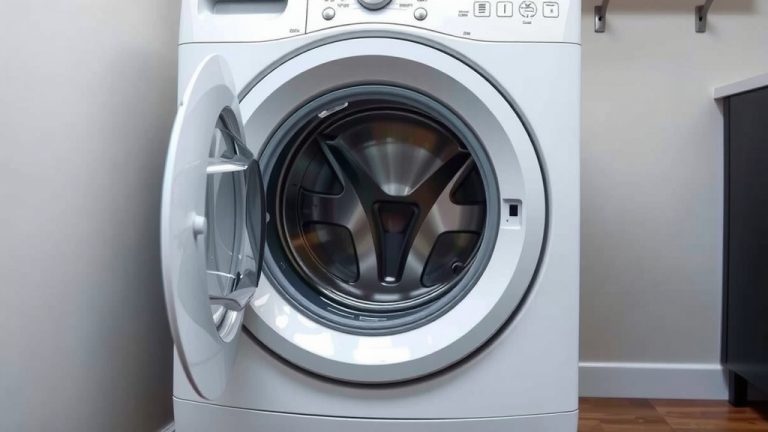
Master Your Portable Washer & Dryer in 7 Simple Steps
Yes, using a portable washing machine and dryer is quite simple! You basically fill it with water, add detergent, wash your clothes, drain, rinse, drain again, and then transfer to the dryer function. It’s designed for convenience, making laundry doable in small spaces like apartments or RVs.
These compact units are a lifesaver for anyone without hookups. They’re perfect for quick loads or for those living off the beaten path. We found that many users appreciate their energy efficiency and how they prevent laundry day headaches. They offer a practical solution for everyday needs.
- Fill with water and detergent.
- Select wash cycle.
- Drain and rinse.
- Use dryer function.
- Clean and maintain regularly.
Ready to tackle your laundry pile? Let’s walk through exactly how to get your portable washer and dryer working for you, step by step.
Getting Started with Your Portable Washer and Dryer
So, you’ve got this nifty portable washer and dryer, ready to make laundry day a breeze, even in a small space. Let’s figure out exactly how to put it to work for you. Think of it like a mini laundromat right in your home, but way more convenient. If you’re curious about the price, our guide to washing machine cost can help.
Setting Up Your Portable Laundry Companion
Before you toss in your first sock, let’s make sure everything is ready to go. Proper setup is key to a smooth laundry experience. You’ll want to find a stable, level surface for your machine. This prevents wobbling during the spin cycle.
Choosing the Right Location
Where you put your machine matters. It needs access to a water source and a way to drain. Many people use a kitchen sink or bathroom sink. You might need an adapter for your faucet. Make sure the drain hose can reach the sink or a bucket. Also, ensure it’s close to an electrical outlet.
Connecting the Water and Drain Hoses
Connecting the water inlet hose is usually straightforward. It typically screws onto your faucet and the machine. For draining, the included hose needs to be positioned correctly. If it’s not long enough, extension hoses are available. We found that a secure connection prevents leaks, which is always a win!
Operating Your Portable Washing Machine
Now for the fun part – washing your clothes! It’s pretty simple, almost like a game. You’ll guide the machine through its cycle, and it does the rest.
Filling the Tub with Water
This is where you’ll add the water. Your machine likely has fill lines to guide you. You can fill it manually with a bucket or connect a hose. The amount of water depends on the load size. We found that using too much water can dilute the detergent too much. For a standard load, usually, just below the agitator or the highest fill line is good.
Adding Detergent and Clothes
Next, add your clothes. Don’t overload the machine! Leaving some space allows clothes to move freely and get cleaner. Then, add your detergent. You can use regular liquid or powder detergent. High-efficiency (HE) detergent is often recommended for these machines. We found that adding detergent directly to the water before clothes can help it dissolve better.
Selecting Wash and Rinse Cycles
Most portable washers have simple controls. You’ll likely have options for wash time and spin speed. Select the cycle that best suits your fabrics. A shorter cycle for lightly soiled items is perfect. For rinsing, the machine will typically refill with clean water. You might have a separate rinse option or it might be part of the main cycle.
Draining and Spinning
Once the wash cycle is complete, the machine will drain the dirty water. Then, it will spin to remove excess water from your clothes. This spinning action is crucial. It makes drying much faster. Ensure the drain hose is properly positioned to avoid splashing.
Using the Dryer Function Effectively
Many portable washer/dryer combos have a built-in dryer function. It’s not quite like a full-sized dryer, but it gets the job done. It usually works by circulating warm air. This might take a bit longer than your traditional dryer.
Transferring Clothes and Setting the Dryer
After the wash and spin cycle, your clothes will be damp. Transfer them to the dryer section if it’s a separate compartment, or simply set the machine to its drying mode. You’ll select a drying time based on the load size and fabric type. Some machines have timed drying, while others have sensor drying.
Tips for Optimal Drying
Don’t overpack the dryer. This is a common mistake. Clothes need space to tumble and for air to circulate. We found that drying similar fabric types together yields the best results. It prevents delicate items from being over-dried while heavier items finish. Also, check your clothes periodically. You might need to adjust the drying time.
What to Expect from Portable Drying
Portable dryers are generally less powerful than their full-sized counterparts. They often use a condenser system or just recirculate air. This means drying times can be longer. Some users find they can use this function for lightly dampening clothes rather than fully drying them, especially in humid climates. It’s a great option for everyday wear that needs a quick refresh.
Maintaining Your Portable Laundry Machine
Just like any appliance, keeping your portable washer and dryer clean ensures it runs well. Regular maintenance is important.
Cleaning After Each Use
Wipe down the interior drum and the exterior of the machine. This removes any lint or residue. Leave the lid slightly open after use. This allows the interior to air out and prevents mildew. We found that a quick wipe-down takes only a minute but makes a big difference.
Periodic Deep Cleaning
Every few months, you should give your machine a deeper clean. Run an empty cycle with hot water and a cup of white vinegar or a washing machine cleaner. This helps to remove any buildup inside the machine. Check the filter, if accessible, and clean it out. Many experts suggest this to keep your machine smelling fresh (Cleveland Clinic).
Here’s a quick checklist to keep in mind:
- Check for level surface.
- Ensure water and drain hoses are secure.
- Do not overload the wash tub.
- Use appropriate detergent amount.
- Allow space for clothes in the dryer.
- Wipe down and air out after use.
Following these steps should help you get the most out of your portable washer and dryer. It’s all about simple, smart operation!
Conclusion
You’ve now learned the simple steps to operate your portable washer and dryer. From setting it up correctly to performing regular maintenance, you’re equipped to handle laundry efficiently in any space. Remember, these machines are designed for convenience, making them perfect for apartments, RVs, or any situation needing a compact laundry solution. The key is a little care and attention to detail for a consistently clean load. Now, go ahead and conquer that laundry pile with confidence!
Frequently Asked Questions
Can I use a portable washing machine without a dedicated water hookup?
Yes, absolutely! You can fill the tub manually using a bucket or by connecting a hose to a nearby faucet, like in your kitchen or bathroom. Many users find this manual filling method quite straightforward.
How long does it take to wash and dry a load in a portable machine?
Wash cycles typically range from 10-30 minutes, depending on the setting. Drying times can vary more significantly, often taking 30-60 minutes or longer, as portable dryers are less powerful than full-sized units.
Is it okay to use regular laundry detergent in a portable washer?
While you can use regular detergent, high-efficiency (HE) detergent is often recommended. HE detergents produce fewer suds, which is ideal for the smaller water capacity of portable machines and helps prevent over-sudsing.
What’s the best way to prevent leaks when using a portable washer?
Ensure all hoses are securely attached to both the faucet and the machine, and that the drain hose is properly positioned in your sink or bucket. Regularly check connections for any signs of wear or looseness.
How often should I deep clean my portable washing machine?
It’s a good practice to perform a deep clean every 2-3 months. Running an empty hot water cycle with vinegar or a specialized machine cleaner will help remove any internal buildup and keep it smelling fresh.