Hybrid Mattress vs Traditional: Which Is Right for You?
Choosing between a hybrid mattress vs traditional comes down to one main thing: how you sleep. A hybrid mattress uses both coils and foam, while a traditional mattress is usually all-foam or all-spring. If you want the best of both worlds—support and pressure relief—a hybrid is likely your winner.
We’ve looked at the research and found that your body type, sleeping position, and budget play the biggest roles in this decision. Hybrids are great for combo sleepers because they’re easy to move around on. Traditional all-foam beds are better for strict side sleepers who need deep sinkage. You need to know which one matches your needs before you spend a penny.
- Hybrids combine coil support with foam comfort for balanced feel.
- Traditional all-foam mattresses offer maximum pressure relief and motion isolation.
- Hybrids sleep cooler than all-foam because the coils allow airflow.
- Traditional innerspring beds are bouncy but often lack contouring.
- Your weight and sleeping position should be your top deciding factors.
Below, we break down exactly how they compare on support, cooling, durability, and price so you can make a confident choice. Let’s walk through it together.
Comparing Hybrid and Traditional Mattresses Head-to-Head
You deserve a mattress that matches your sleep style. We found that hybrids shine for support and airflow, while traditional foam models win on pure pressure relief. Let’s break down the key differences to help you decide.
Defining the Two Main Types of Beds
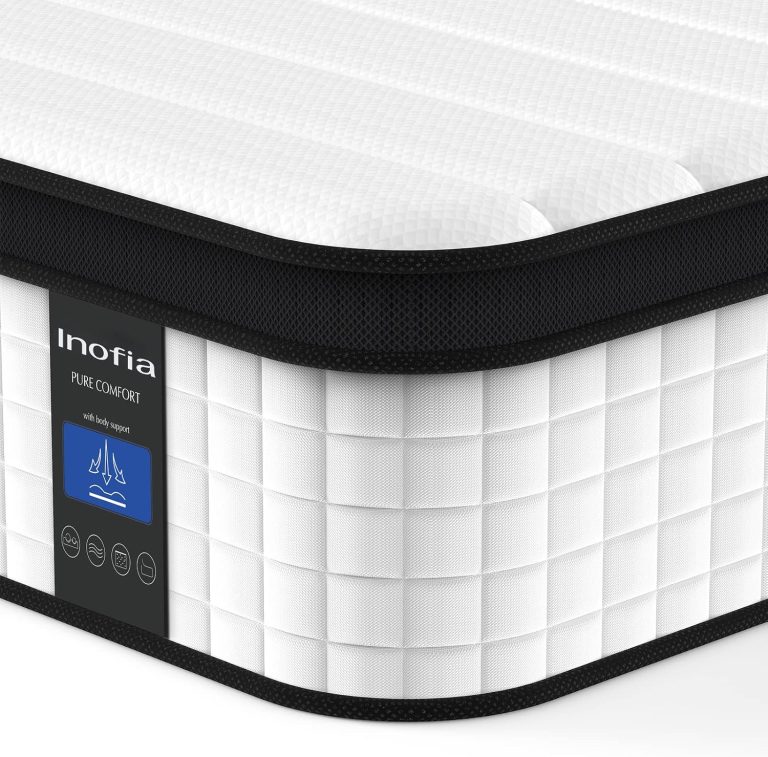
Think of a hybrid like a layered cake. It has a sturdy coil base, a comfort layer of foam or latex on top, and often a plush pillow top. Traditional mattresses come in two forms. All-foam beds are simple and dense; innerspring beds are mostly coils with a thin foam pad.
Why Coils Matter for Your Sleep Position
Your sleeping position dictates how much support your spine needs. Back and stomach sleepers usually need a firmer surface to prevent the hips from sinking. A hybrid’s coil core provides that push-back. Side sleepers often prefer the deep cradle of an all-foam bed to relieve shoulder pressure.
A Quick Guide for Combo Sleepers
If you toss and turn, a hybrid is likely your best ally. The coil base makes it easier to change positions. You won’t feel stuck in a hole like you might with dense foam. Many experts say that ease of movement is a top reason combo sleepers pick a hybrid.
Cooling and Temperature Regulation
Do you wake up sweaty? We found that hybrids generally sleep much cooler than traditional all-foam mattresses. The open space between the coils allows air to circulate freely. All-foam beds tend to trap body heat because they are dense and solid.
What About Traditional Innerspring Beds?
Old-school innerspring beds are also cool due to their open coil structure. However, they often lack the plush comfort layer needed for pressure relief. So, you get airflow but sacrifice cradling. A hybrid gives you both in one package.
Foam Memory Heat Retention
Memory foam is notorious for sleeping hot. If you choose a traditional all-foam bed, look for one with gel infusion or copper particles. These materials help pull heat away from your body. We found that grocery-store-grade gel infusions help, but they are not a miracle cure for high temperatures.
Durability and Long-Term Support
No one wants to buy a new bed every few years. Traditional all-foam beds can develop permanent body impressions over time, especially if you are heavier. The coil base in a hybrid provides a sturdier foundation that prevents sagging for many years. This makes hybrids a smart long-term investment.
Testing for Edge Support
Sitting on the edge of your bed to tie your shoes? Hybrids excel here because the coils extend to the very edge. You will feel supported and secure. All-foam mattresses often compress significantly at the edge. You might feel like you are rolling off just by sitting down.
Motion Isolation Compared
Sharing a bed with a restless partner? Here is where traditional foam wins big. Dense foam absorbs movement like a sponge. A hybrid with coils will transfer a bit more motion, though many modern hybrids use pocketed coils that reduce this. For light sleepers, all-foam is the quieter choice.
Price Range and Budget Considerations
We found that price tags differ vastly based on materials, not just the type. You can find budget-friendly hybrids under $500, but they might use cheaper coils. Premium all-foam beds can cost thousands. It is not about which is cheaper; it is about what you get for the money.
Comparing Cost Per Year of Use
Let’s do the math. If you spend $1,000 on a hybrid that lasts 10 years, that’s $100 a year. If you spend $600 on a foam bed that lasts 5 years, that’s $120 a year. In the long run, hybrids often cost less because they outlast softer foam models.
What to Look For in a Budget Model
We suggest checking the coil gauge—the lower the number, the thicker the wire. Thicker wires offer better support and last longer. Also, check the foam density in the comfort layer. A 1.5 lb density foam is more durable than a 1.0 lb density foam.
A Side-by-Side Feature Comparison
To make things crystal clear, here is a simple breakdown.
| Feature | Hybrid Mattress | Traditional All-Foam |
|---|---|---|
| Support | Balanced with coil push-back | Deep and cradling |
| Cooling | Excellent airflow | Runs warm |
| Motion Isolation | Good with pocketed coils | Excellent absorption |
| Edge Support | Strong and stable | Weak and compressible |
| Durability | Long-lasting (7-10 years) | Shorter (5-7 years) |
| Best For | Combo and back sleepers | Strict side sleepers |
Many guidelines point to spine alignment as critical for sleep quality (Cleveland Clinic). You need a bed that keeps your head, shoulders, and hips in a straight line. The table above shows how each type achieves that goal differently.
Your Personal Sleep Profile Matters Most
Consider your weight, too. Heavier individuals (over 230 lbs) often find that all-foam beds are too soft and lack the support they need. The coils in a hybrid provide better structural support for your body. Lighter individuals might find hybrids feel too firm and prefer the sinkage of foam.
Allergies and Maintenance
Allergens like dust mites love dark, warm spaces. Foam mattresses are dense but are generally resistant to dust mites because they lack the cavities that bedding enjoys. Hybrids with breathable covers are easier to keep clean. We found that breathable cotton covers work best for most people.
Final Checklist Before You Buy
Before you hit “add to cart,” run through this quick checklist. It covers the main decision points.
- Determine your primary sleeping position and weight.
- Measure your bed frame depth to ensure the mattress fits.
- Check the return policy and trial period length.
- Decide if you sleep hot and need active cooling.
- Factor in a partner who moves around at night.
- Set a realistic budget range that includes shipping fees.
You have to live with this mattress for years. So, take the time to research the brand’s warranty and customer service reputation. Reading recent reviews for quality issues is a good practice. We found that consumer feedback often reveals long-term sagging that the description hides.
Read the Fine Print on Warranty
Warranties usually cover manufacturing defects but not normal sagging under a certain depth. Many brands require a bed frame with center support to keep the warranty valid. Missing this requirement can void your protection. It is a boring detail, but it saves you headaches later.
The Simple Bedroom Test
If you are still unsure, try the “pressure point test” at a store. Lie on your back and side for five minutes each. If you feel numbness in your hips or shoulders, the mattress is too firm for you. If you feel a curve in your lower back, it is too soft. You need that sweet spot.
Conclusion
You now have a clear picture of how hybrid and traditional mattresses stack up. Hybrids win on cooling, edge support, and long-term durability. Traditional all-foam beds win on motion isolation and deep pressure relief for side sleepers.
Your best choice comes down to your sleeping position, body weight, and whether you share the bed. We found that combo sleepers and heavier individuals usually do better with hybrid support. Strict side sleepers on a budget often love all-foam comfort.
Here is your next step: take our checklist from above and narrow it down to two or three models. Then, use the trial period to test them at home for at least 30 nights. Your body will tell you which one is right. Trust that feedback, and you will sleep better for years to come.
Frequently Asked Questions
Can I use a hybrid mattress on an adjustable bed frame?
Yes, most modern hybrid mattresses work great with adjustable bases. The key is checking that the coils are flexible enough to bend without damage. Look for models that specifically mention adjustable base compatibility. Many brands list this feature clearly on their product pages.
How long does a hybrid mattress take to break in?
Most hybrids need about 30 days to fully soften and conform to your body. You might notice the bed feels firmer during the first week or two. We found that sleeping on it nightly speeds up this process. Give it a full month before making your final judgment.
Do hybrid mattresses work for stomach sleepers?
Yes, hybrids are often the best option for stomach sleepers. The coil base keeps your hips from sinking too deep, which prevents lower back strain. You want a medium-firm to firm hybrid for proper spinal alignment. Avoid plush tops that let your midsection dip down.
Is it hard to move a hybrid mattress compared to foam?
Hybrids are noticeably heavier and harder to maneuver than all-foam beds. The coil core adds significant weight. You will likely need a second person to help you move it. Consider ordering from a brand that offers white-glove delivery if you live in an upstairs apartment.
What is the average lifespan difference between these mattress types?
Hybrid mattresses typically last seven to ten years with proper care. Traditional all-foam beds usually last five to seven years before sagging becomes noticeable. The coil support in hybrids prevents permanent body impressions. Heavier individuals may see shorter lifespans on either type, so always check the warranty coverage.